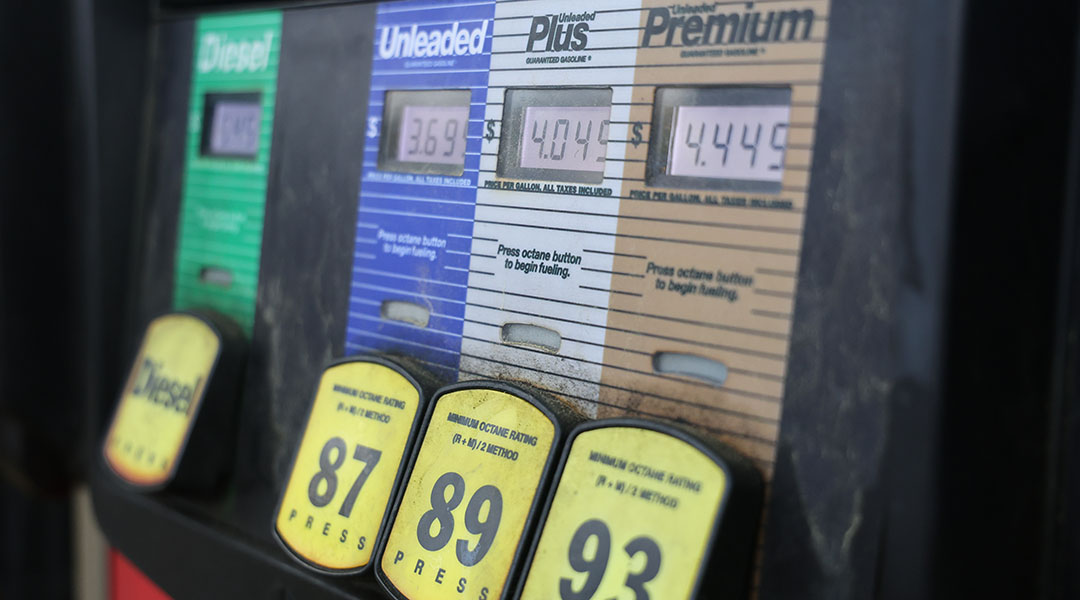
Gas prices continue to rise, with some starting to feel absurdly expensive to students. Photo by Duncan Greer/The Carolina Reporter
Rising gas prices are pushing off-campus students at the University of South Carolina to rethink how they get to campus, with many turning to walking or shuttle services to save money and avoid parking challenges.
Off-campus students are seeing their daily routines disrupted and are making new transportation choices, weighing convenience against cost.
USC is an urban campus with many students commuting daily. So transportation has become a key part of managing both time and money, especially as costs continue to rise.
Collin Cook, a senior who lives at the SAGA apartments near the corner of Assembly and Whaley streets, said he relies on the university’s shuttle instead of driving to class.
“I’m in college and I’m unemployed, so I don’t typically always have enough money to be able to pay for gas,” Cook said. “So it’s nice to have a free way to get to class.”
Cook said the hunt for a parking space is brutal. That also plays a major role in his decision to avoid driving.
“Parking’s so limited, it wouldn’t be worth trying to find parking,” Cook said. “Most of the time I wouldn’t find any, or I’d be late.”
He said past experiences with parking tickets have made him even more hesitant to drive.
“I have gotten a ticket before, so I’d rather not risk having to do that,” Cook said.
Similarly, junior Oscar Ni relies on the shuttle to get to campus from his apartment at The Row. He said the service helps him save money and avoid the stress of driving.
“It helps me save a lot compared to driving,” Ni said. “Sometimes the bus can be 10 minutes late or even an hour. But it’s easy to plan around because I can walk to other shuttles near my apartment or ask a friend for a ride.”
Ni said taking the shuttle also gives him peace of mind when it comes to parking.
“I have to think about what time to catch the bus depending on the distance, but it keeps me from worrying about parking or gas,” Ni said.
Shuttles are simply convenient, he said.
“Yeah, I’d recommend the shuttle.”
Some students said gas prices haven’t significantly changed their routines.
Parker Rogers, a sophomore who lives off campus at Gateway 737, said he continues to drive to campus several times a week despite rising costs.
“Gas is something that I’m going to buy anyway,” Rogers said. “It sucks that I have to pay more, but it is what it is.”
But Rogers said parking costs and availability can be more frustrating than gas prices.
“Paying for parking does get expensive,” he said. “That’s more of a factor that would make me want to drive less – (more) than gas prices.”
Parking availability during peak class times can also add stress for students who drive, especially when lots fill up quickly and options become limited.
Rogers said he has received parking tickets in the past, including a $25 fine.
Even with those challenges, Rogers said driving remains his preferred option.
“If the prices become too much money, then yeah, I’ll probably walk more often,” Rogers said.
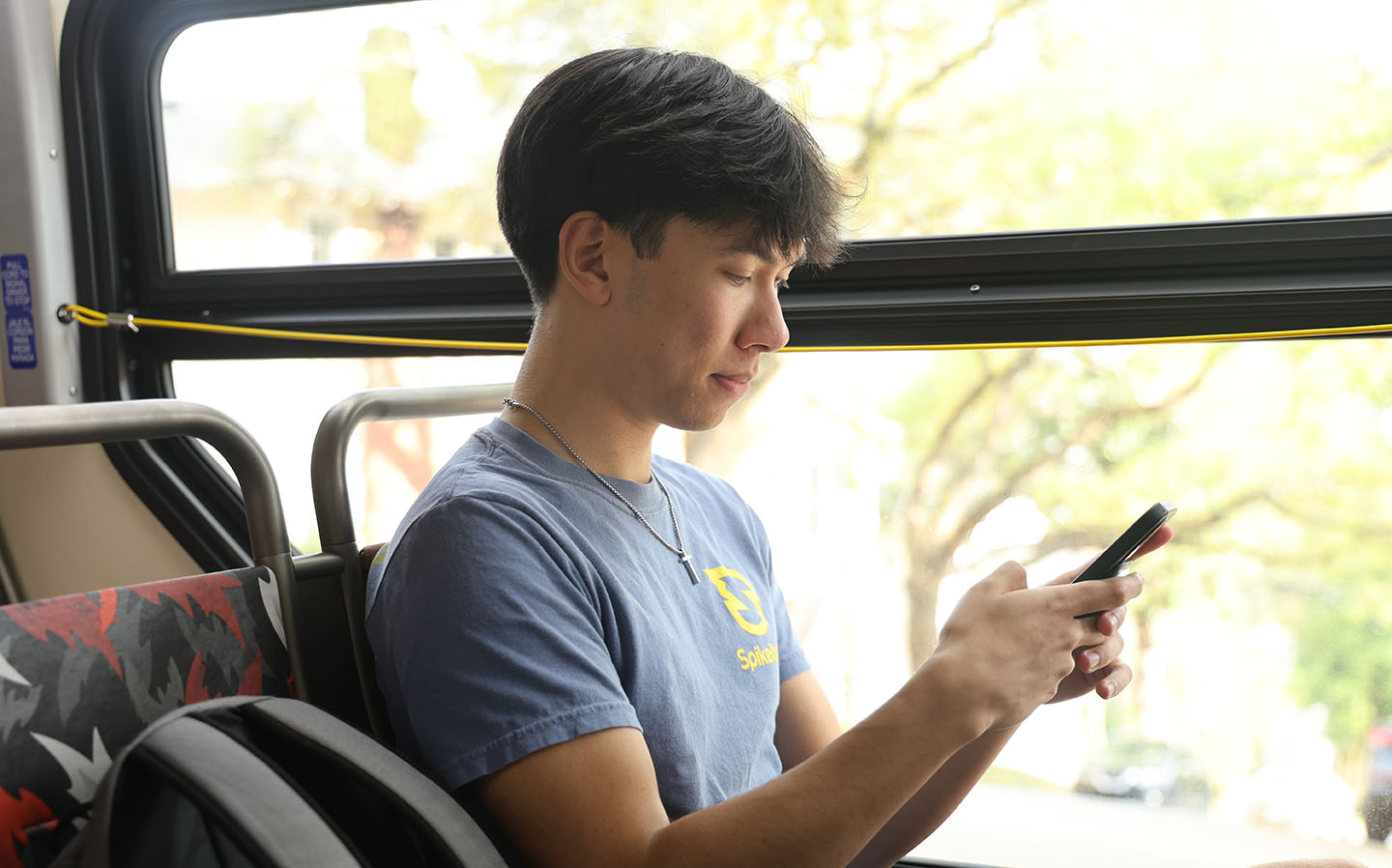
University of South Carolina student Collin Cook uses free shuttle buses to get to campus instead of driving. Photo by Duncan Greer/The Carolina Reporter

USC student Collin Cook expresses his disappointment with current gas prices. Photo by Duncan Greer/The Carolina Reporter
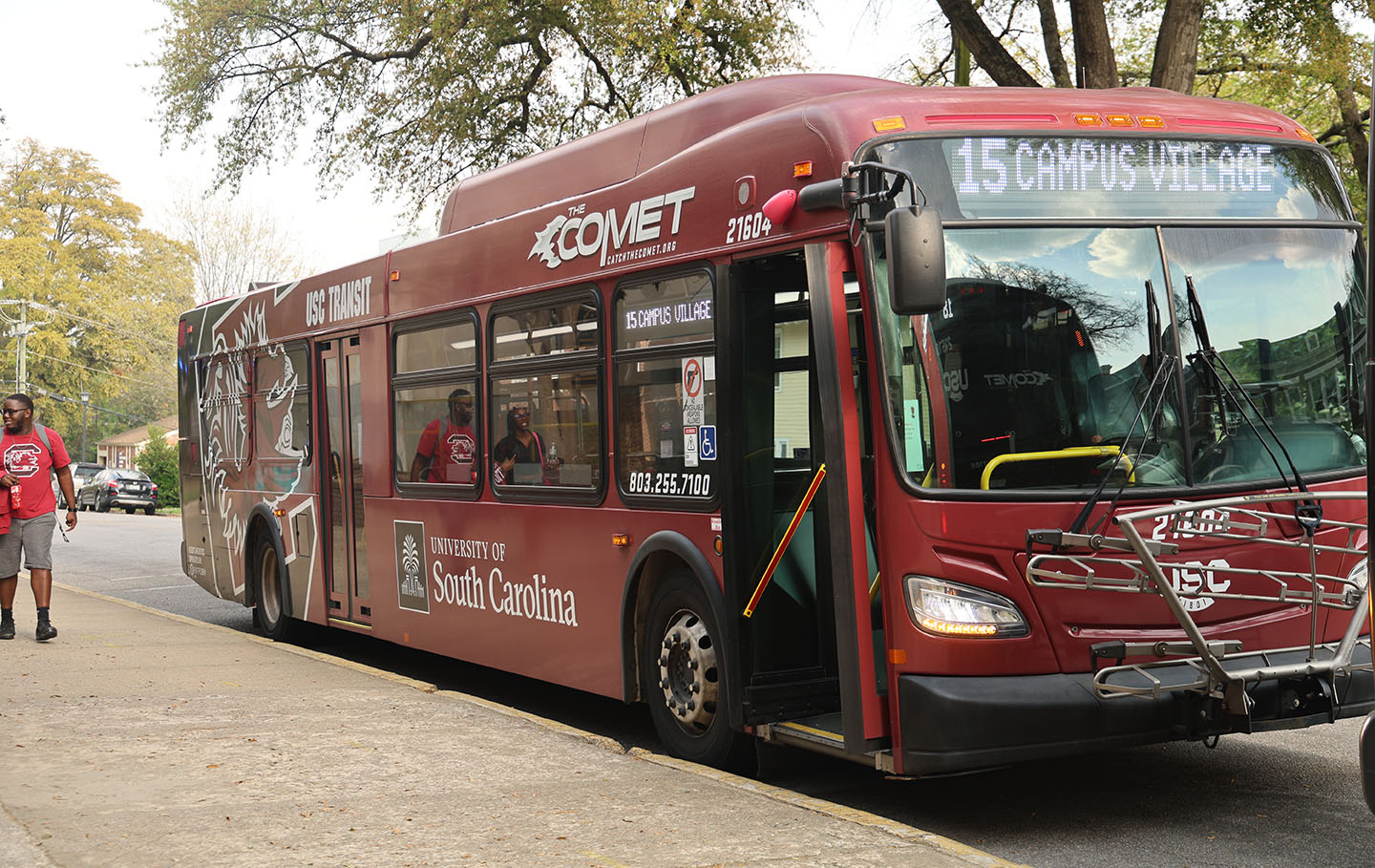
A USC shuttle bus waits to take students to and from campus. Photo by Duncan Greer/The Carolina Reporter
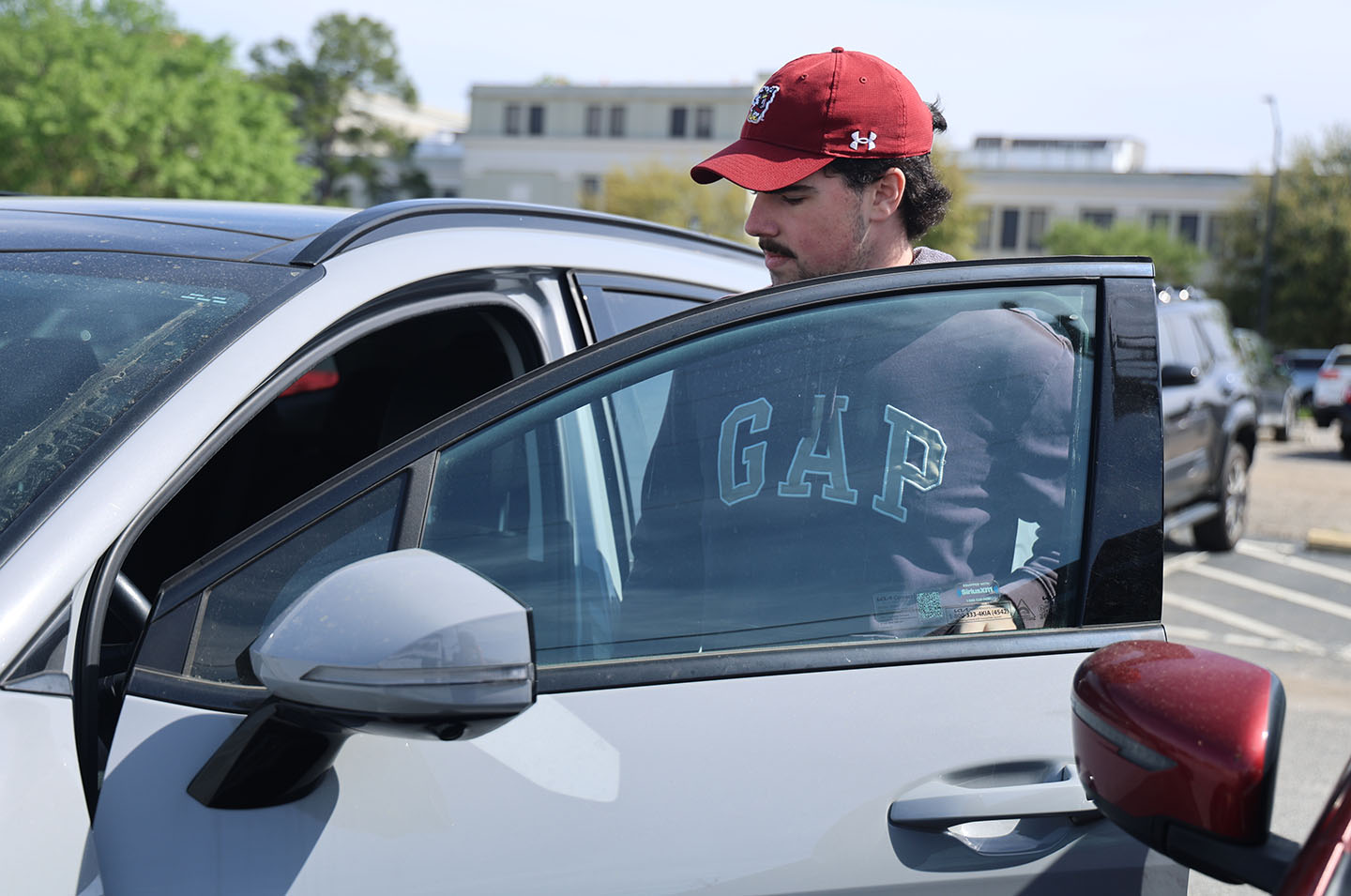
USC student Parker Rogers uses his car to get to and from campus despite rising gas prices. Photo by Duncan Greer/The Carolina Reporter

USC student Oscar Ni waits in front of his apartment for the shuttle to arrive to his apartment complex. Photo by Duncan Greer/The Carolina Reporter