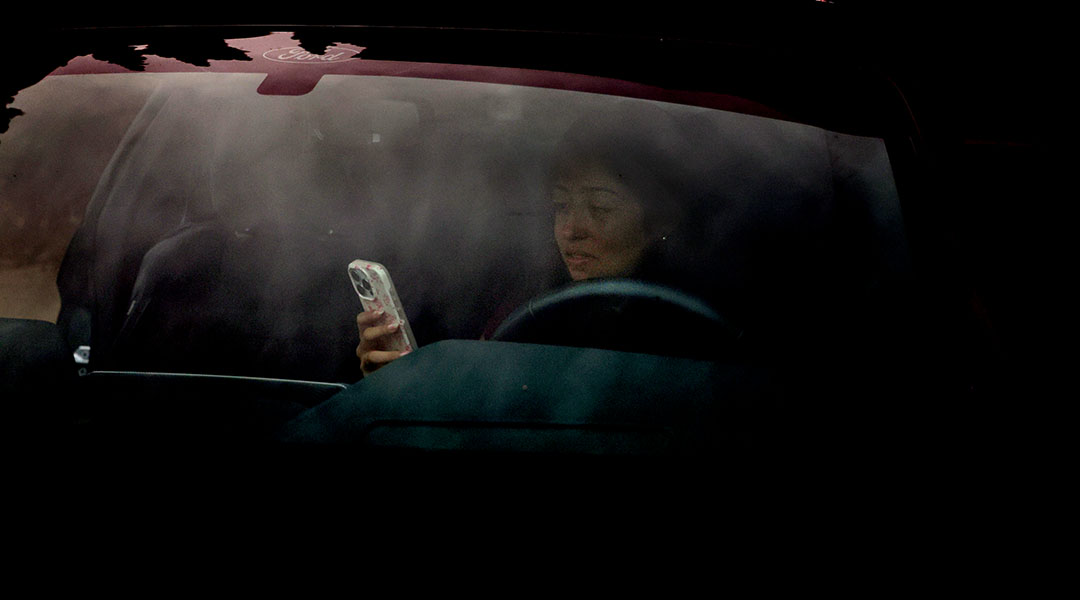
University of South Carolina student Jackie Sandino checks her phone before driving off. Photo illustration by Duncan Greer/The Carolina Reporter
The hands-free driving law in South Carolina is changing how drivers in Columbia interact with their phones behind the wheel.
Some already are noticing shifts in their behavior on the road.
State law prohibits drivers from physically holding or using their phones while operating a vehicle, aiming to reduce distracted driving and improve overall road safety.
The law already is being actively enforced across the Midlands, data released by the South Carolina Department of Public Safety shows. In the first 30 days after a warning period ended, Richland County recorded 184 hands-free citations, while Lexington County had 141, placing both among the higher totals in the region.
Statewide, law enforcement agencies issued 3,495 citations between Feb. 28 and March 29, after the law’s six-month warning period ended.
For Columbia resident and University of South Carolina senior Jackie Sandino, the change has been immediate.
“It has forced me to make sure that my phone is out of my sight at all times and focus more on the road,” Sandino said.
Sandino said she has noticed a shift in how other drivers behave as well.
“I’ve noticed that people try to make it less obvious that they’re using their phones,” she said.
While some drivers still may attempt to use their devices discreetly, Sandino believes the law is encouraging greater awareness.
“I do think it’ll make roads safer because it forces people to be more conscious of their phone usage while driving,” she said.
Despite the benefits, adjusting to the law has not been without challenges.
“Sometimes my phone disconnects from my car, and I’m tempted to grab it, but because of the law, I know I don’t have that ability,” she said.
Still, enforcement and public accountability remain uncertain. Sandino said she is unlikely to confront other distracted drivers unless her safety is directly at risk.
“If it’s directly interfering with my safety, I would try to signal at them,” she said. “Otherwise, I wouldn’t get involved.”
Alex Downs, who lives at a Walk2Campus complex on Pickens Street, said the law has slightly changed his habits but not eliminated temptation.
“Maybe a little bit. I try to stay away from it as much as I can,” Downs said, adding that he typically sets up music or podcasts before driving instead of using his phone on the road.
He also pointed to campus-adjacent areas as hotspots for distraction.
“Around campus, especially around places like Assembly and Blossom Street,” Downs said when asked where he still sees distracted driving.
For some students living in Columbia, enforcement remains in question.
Delaney Kral, who lives at Stadium Suites, said she has not changed her driving habits much because she already avoids using her phone behind the wheel.
“I have Apple CarPlay in my car, so I tend to just hook my phone up to that before I leave,” Kral said.
Still, she believes distracted driving remains common.
“Yes, all the time, especially near campus,” she said.
When asked about compliance, Kral expressed doubt that people are widely following the law.
“No, not at all,” she said. “They never really followed any of the laws to begin with.”
As enforcement continues across South Carolina, Downs said the biggest challenge is breaking routine behavior.
“I would say if you’re already on your phone all the time, it’s just hard to break the habit,” he said.
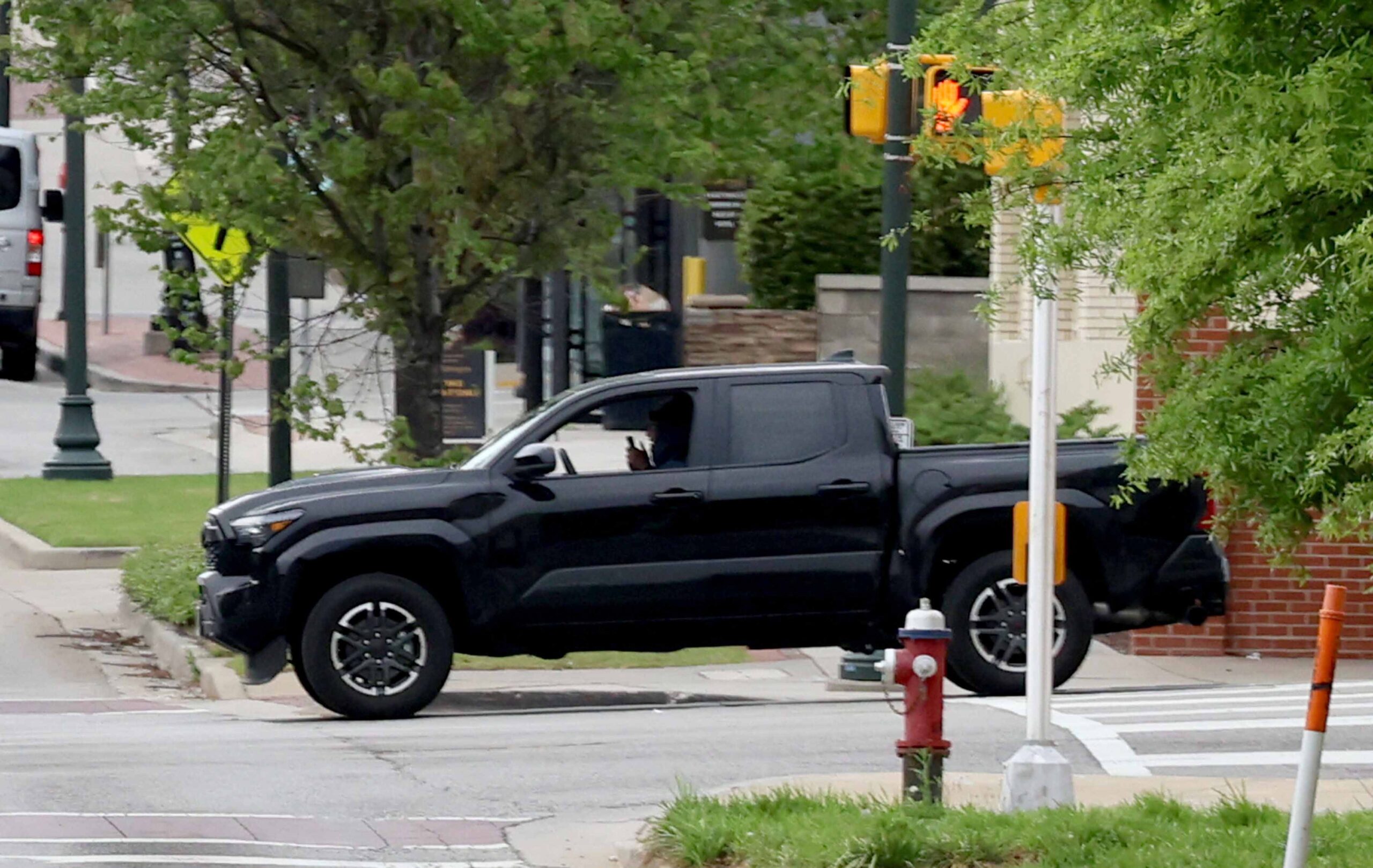
A driver uses their phone while traveling through traffic at Blossom and Assembly streets in Columbia. Photo by Duncan Greer/The Carolina Reporter
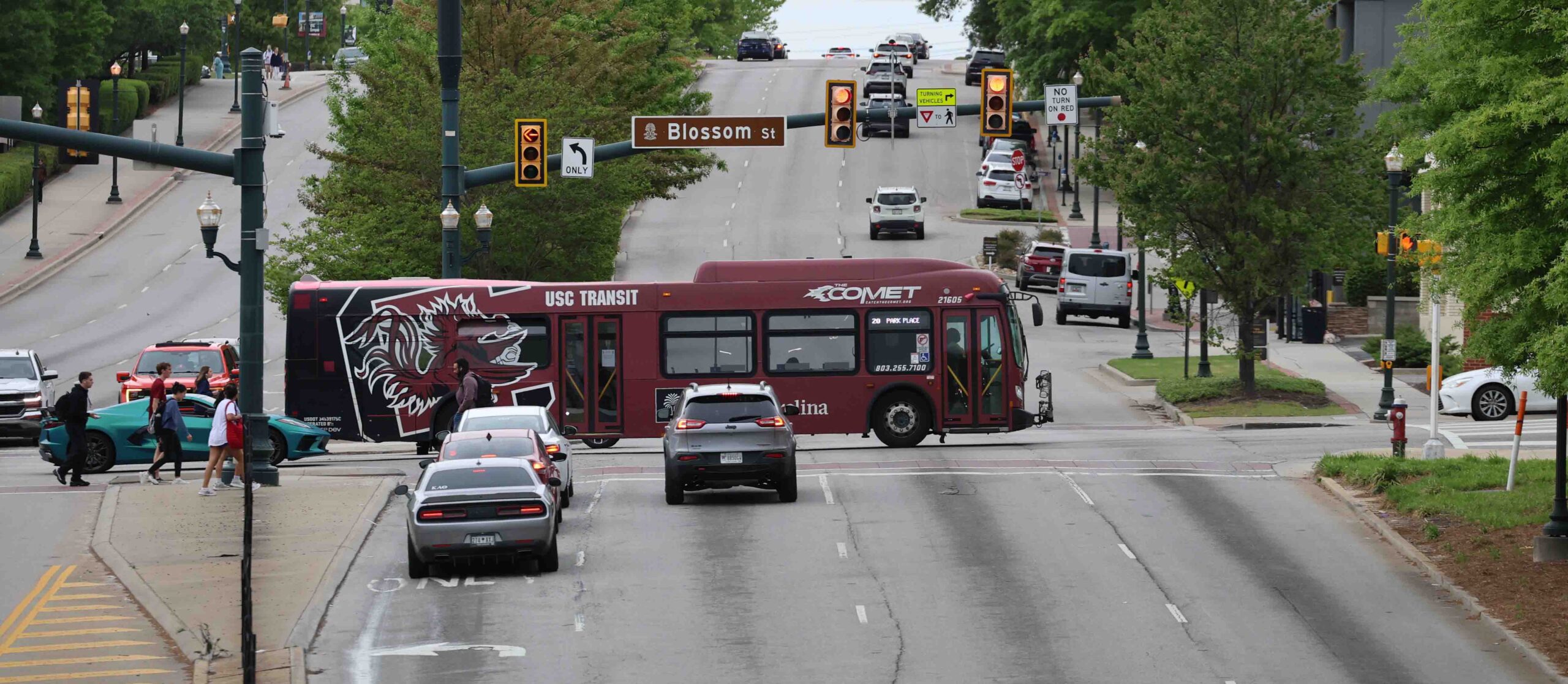
Traffic is in full flow on Blossom, one of Columbia’s busiest streets. Photo by Duncan Greer/The Carolina Reporter

USC student Jackie Sandino poses in front of her car before driving off. Photo by Duncan Greer/The Carolina Reporter