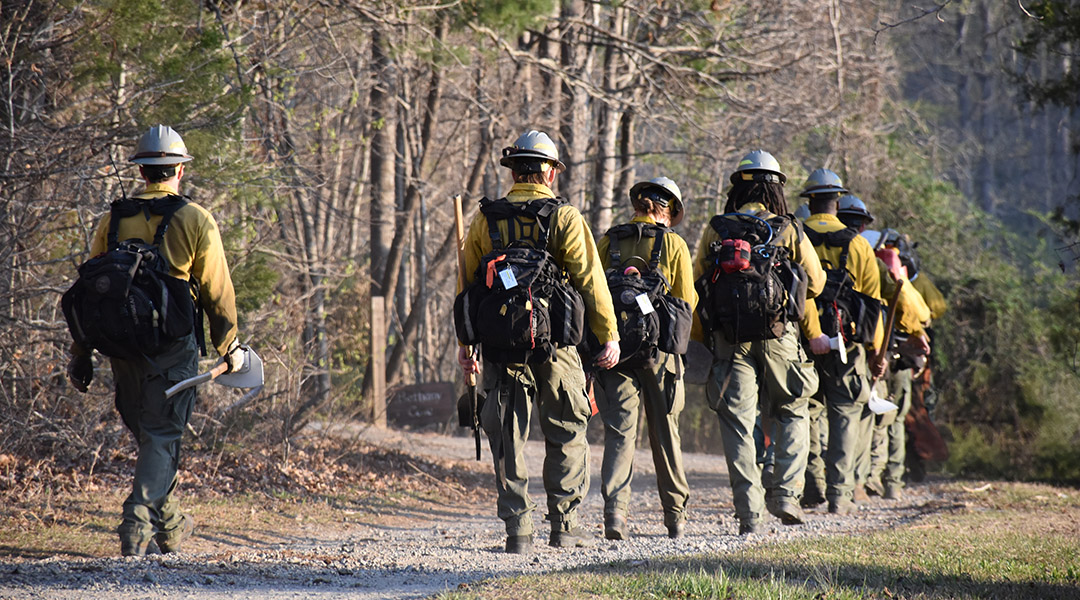
South Carolina’s wildfire season runs from December to April each year. The S.C. Forestry Commission annually manages about 1,400 wildfires. Photo courtesy of the S.C. Forestry Commission/The Carolina Reporter
Wind, humidity and dry conditions are factors that can turn a small, controlled fire into a blaze.
South Carolina’s wildfire season runs from December to April because of droughts and dead vegetation. The South Carolina Forestry Commission issues red flag alerts and burn bans to keep the public safe, said Madeline Stewart, a public information coordinator for the agency.
“March is often our busiest month for wildfires in South Carolina,” Stewart said. “April, historically, has shown some of the biggest and costliest wildfires in South Carolina history. So (we will) definitely still keep an eye on the weather as we wait for what we call green up.”
Outdoor debris burning is the main cause for wildfires when unless there’s a burn ban in place, Stewart said. The local fire departments will help with maintaining structures nearby.
Columbia-Richland Fire Department Public Information Coordinator Mike DeSumma said the fire department mainly allows state firefighters to handle wildfires in the county.
“We really get involved when a woods fire is threatening a property or several properties,” DeSumma said in an emailed statement. “If a fire is deep in the woods, we call in forestry to assist us. They have the equipment to deal with it if it’s deep in the wood line.”
A Red Flag alert was last issued March 24 and turned into a statewide burning ban March 27.
The forestry commission takes a “stair step” approach to issuing these alerts to allow weather conditions to change and to not burden the public, Stewart said. There have been 27 burning bans issued since the 1980s, she said.
“When we see things changing, we urge vigilance, then enact a Red Flag fire alert where people are voluntarily not burning, and then a burning ban if it’s needed,” Stewart said.
Purposeful, prescribed burns to control dead vegetation can happen near downtown Columbia. But they’re mainly started in more rural areas. South Carolina’s Upstate experiences more wildfires because of hurricane debris from prior years in the mountains.
“They do happen in Richland and Lexington County, probably more than you would think,” Stewart said. “Most of the state is rural, and the reason that people don’t hear about wildfires often is because usually they’re controlled pretty quickly and they’re out in the middle of nowhere.”
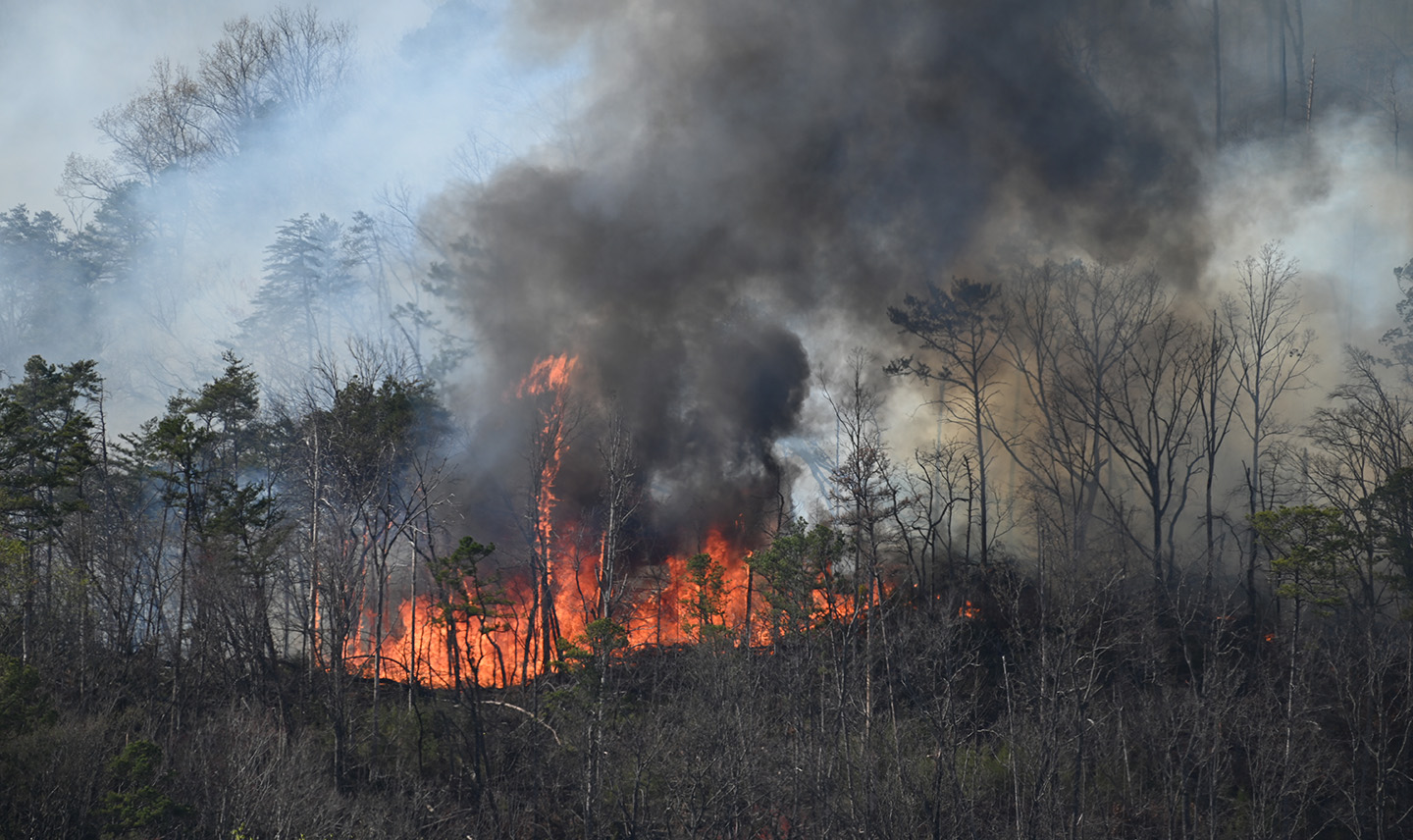
Richland and Lexington counties are prone to wildfires during droughts because of their rural acreage. Wildfire season ends in April. But there’s often still not enough rain by then to get rid of a drought. Photo courtesy of the S.C. Forestry Commission/The Carolina Reporter
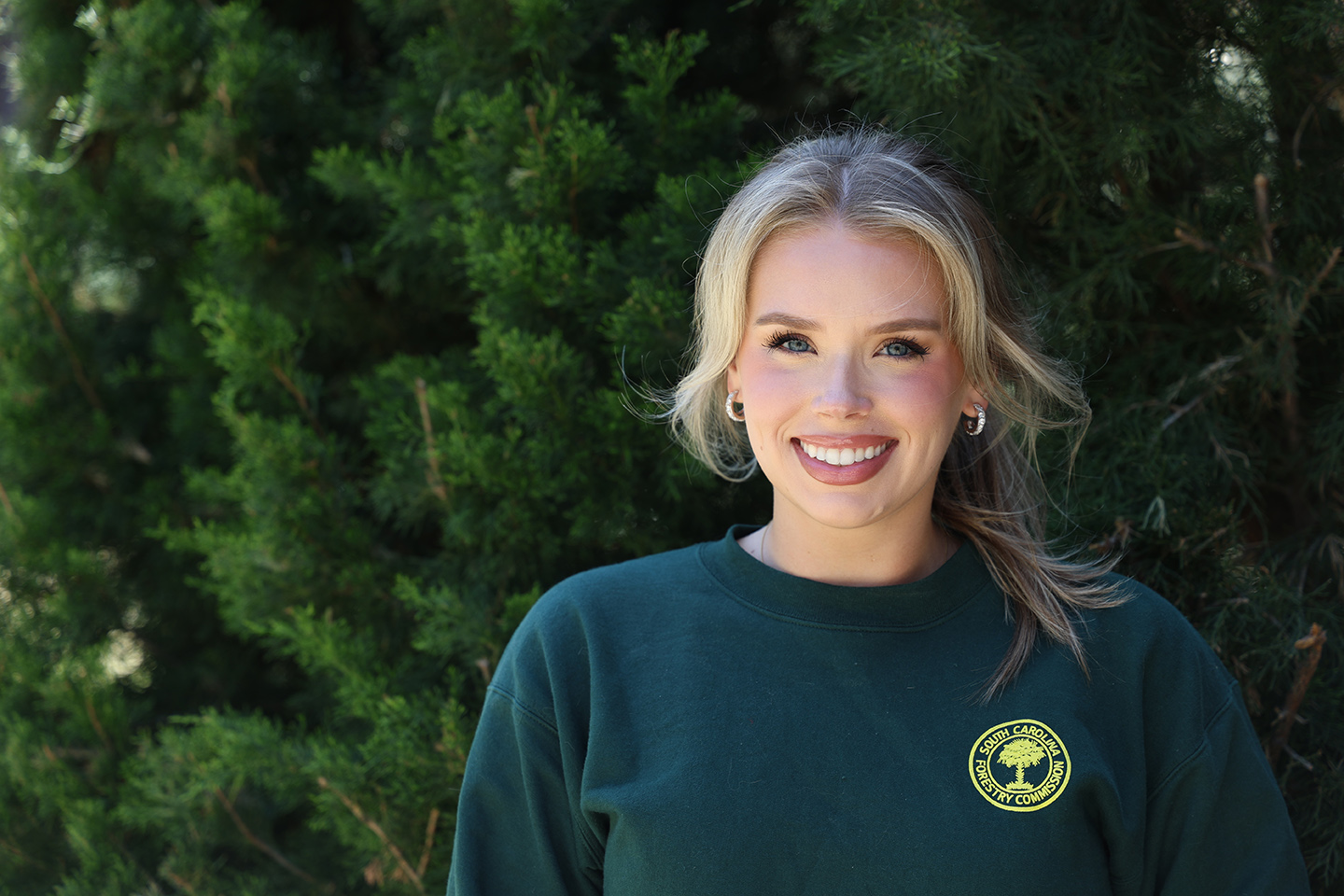
Madeline Stewart is a public information coordinator for the S.C. Forestry Commission. Photo by Payton Hamrick/The Carolina Reporter
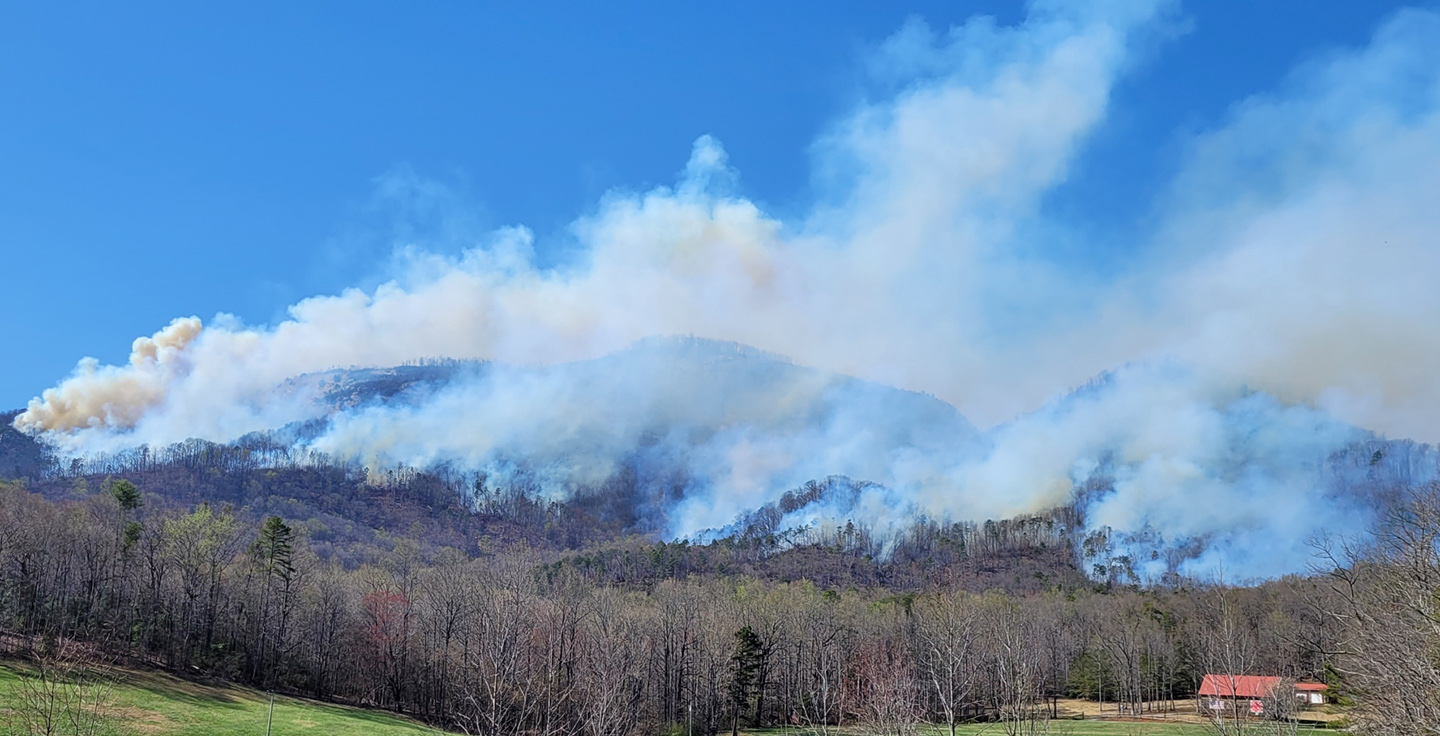
Leftover hurricane debris has time to dry and become a fire hazard in the Upstate in winter, when other fires break out. Photo courtesy of the S.C. Forestry Commission/The Carolina Reporter