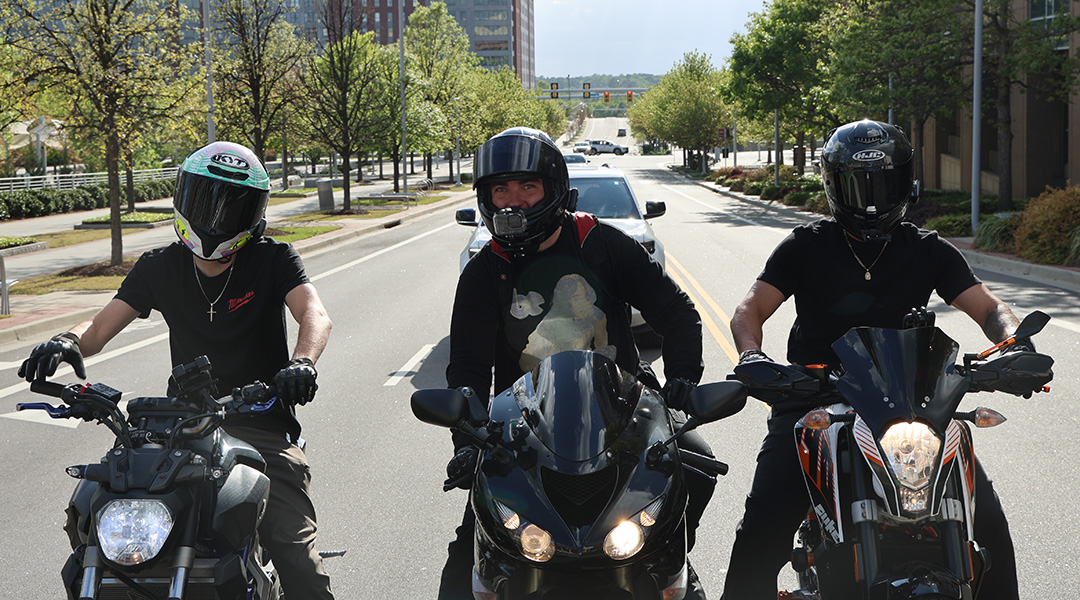
Columbia recently has seen a rise in transportation modes as cars change into motorcycles, electronic scooters, bikes and more. Noah Benson said his motorcycle makes his daily commute to work more affordable and it is better for the environment. Photo by Payton Hamrick/The Carolina Reporter
Electric scooters, bicycles, Onewheel GTs and motorcycles. These alternative methods of transportation have skyrocketed in Columbia for students and commuters alike.
Mid-sized cities such as Columbia can be hard to navigate because of parking issues, traffic and students roaming around. Residents and students have found more affordable ways to get around these problems while, at the same time, being more economically friendly. Across the nation, cities and college campuses have been adapting some of their infrastructure to accommodate different types of transportation methods people are picking up.
Christian Alexander rides a Onewheel GT and said parking around Columbia is a nightmare and riding the Onewheel makes it a lot easier.
“I’ve definitely noticed more people riding one-wheels and PEVs (plug-in electrical vehicles) in general,” Alexander said. “There’s been a rise in popularity. And with more options coming out, more people are able to afford them.”
University of South Carolina student Bella Stofiel rides an electric scooter around campus to get to her classes faster. Sometimes, she said she has to make it from the center of campus to Darla Moore School of Business in a short amount of time and the scooter helps.
There are bicycle and scooter racks outside each building, which makes parking much easier, Stofiel said.
“There’s only three parking lots for my car, and they are a mile away from any buildings,” Stofiel said. “It’s quicker to get in-between classes in a shorter time than walking that far.”
There are some negatives that can come from using alternative transportation methods.
Safety is a concern for Stofiel when riding an electric scooter. There are some times when walking feels safer due to drivers, she said.
“The buses don’t pay attention and will sometimes pull out or turn right in front of you, and you’re on the road, so it’s less safe than walking,” Stofiel said.
USC offers educational presentations so students do not underestimate the risks associated with electric scooters, mopeds and motorcycles, said Capt. Eric Grabski of the USC Police Department.
There are different laws pertaining to e-scooters. If someone is not riding their e-scooters legally, USCPD will also take time to educate the student individually, Grabski said.
“That’s why we provide this information to our students and general community, to make sure that they understand the legalities of riding e-scooters,” Grabski said. “Also the safety issues that are inherent with riding an e-scooter.”
Safety is a concern for motorcycles, too.
A hotspot for safety issues is the intersection of Blossom and Assembly streets, Grabski said. There are a lot of factors that can cause trouble for a motorcycle rider.
There were 177 motorcyclists killed in South Carolina in 2021, the most recent year for which extensive figures are available. Sixty-four percent of those were not wearing helmets, according to a study by Deas Law Firm, a Sumter firm that specializes in motorcycles accidents. South Carolina law mandates that any rider under 21 must wear a helmet.
Nationwide, 55% of motorcyclists killed in 2021 in states without helmet laws were not wearing helmets. In states that have helmet laws, 9% were killed that year.
Chapin resident Noah Benson said a rider isn’t caged in a car, which makes motorcycling a lot more dangerous. Cars might miss a motorcycle because drivers don’t always check their mirrors or blindspots, said Benson, who rides a Kawasaki Ninja ZX-10R.
“Riding a motorcycle, you’ve always got to be aware,” Benson said. “It could be dangerous, but as long as you pay attention and as long as you are aware of your surroundings, you’ll be OK.”
Benson has noticed a lot more motorcycles on the road over the past five years. It’s a lot cheaper because of the cost of gas, he said.
Benson also sees a variety of electric transportation methods around USC’s campus. People riding bicycles and electric scooters will help the environment around Columbia, he said.
“I think it’s an awesome thing,” he said. “With motorcycles, of course, they’re gasoline, so it pollutes the air. But with e-bikes, scooters or skateboards, that’s safer for our environment. … And it’s definitely getting more popular because it’s more cost effective.”
FINDINGS
- Columbia, home to five college campuses, has seen a rise in alternative transportation modes.
- There are safety risks for students who ride electric scooters or motorcycles around USC’s campus.
- South Carolina, where helmet laws only cover those 21 and younger, experiences a high level of motorcycle fatalities compared to other states.
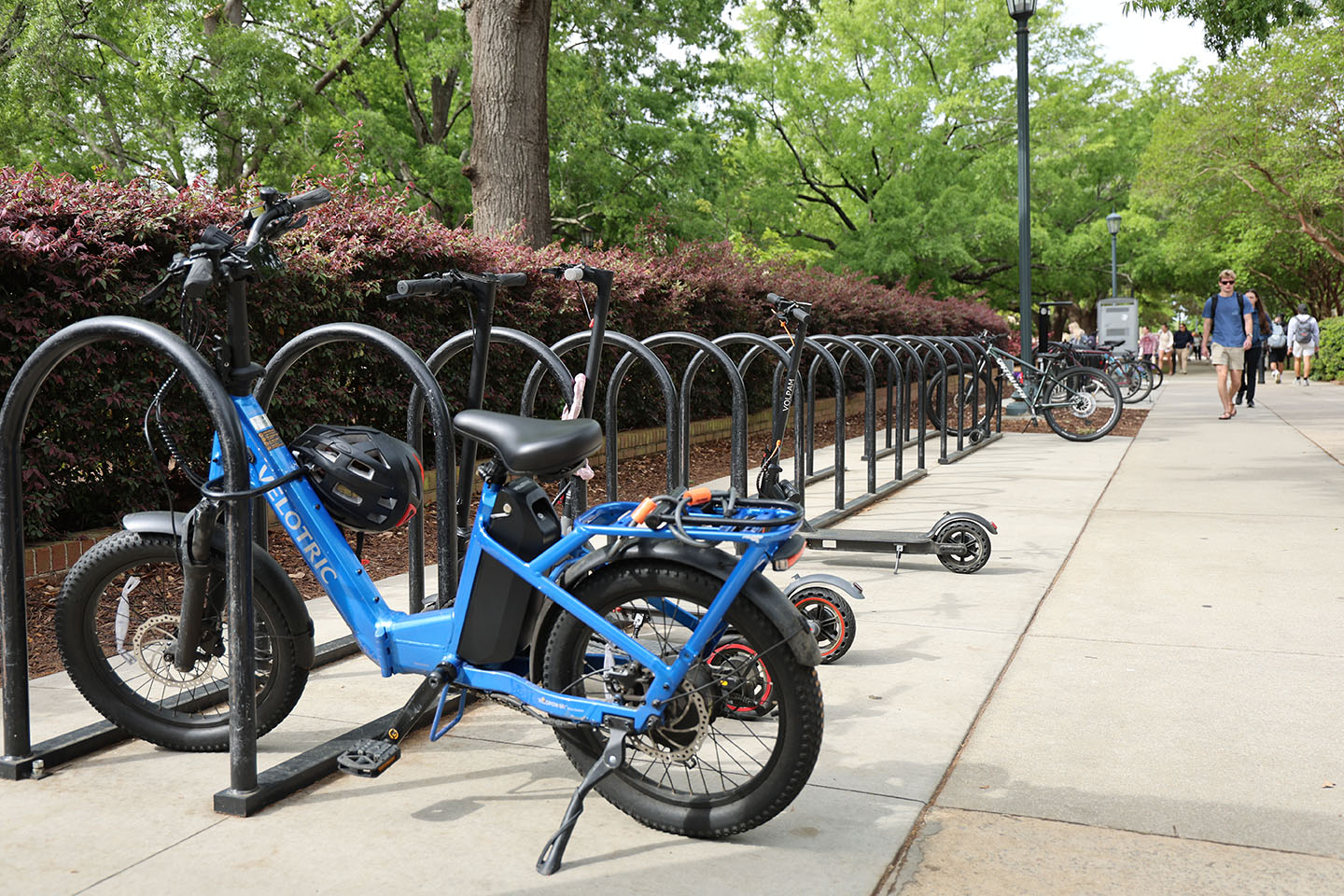
Students commute with electronic bikes and scooters to save money on gas. The students are able to charge them while in class so they can ride wherever they need to. Photo by Payton Hamrick/The Carolina Reporter
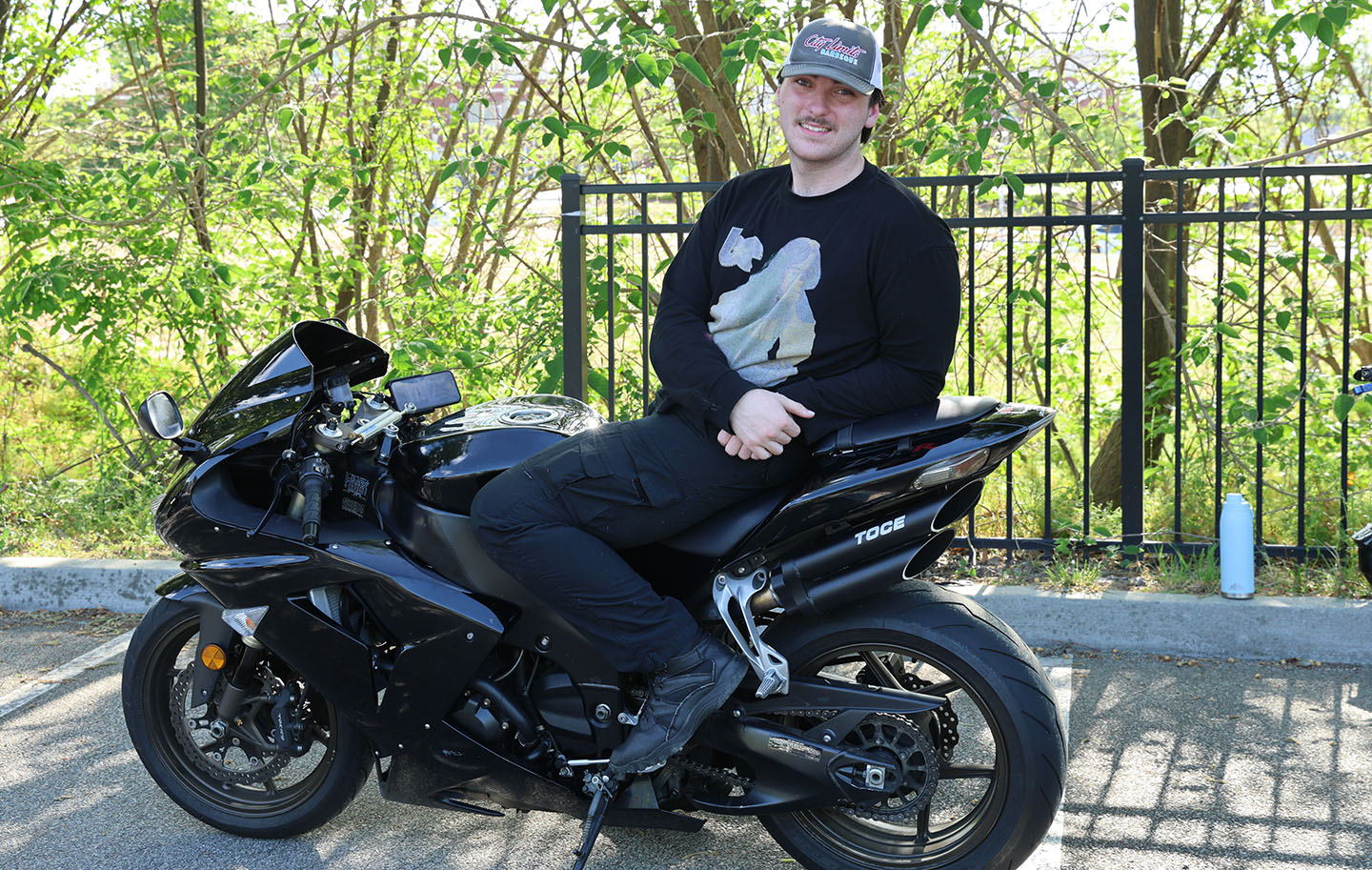
Benson has been riding for 15 years. He has a Kawasaki Ninja ZX-10R. Photo by Payton Hamrick/The Carolina Reporter
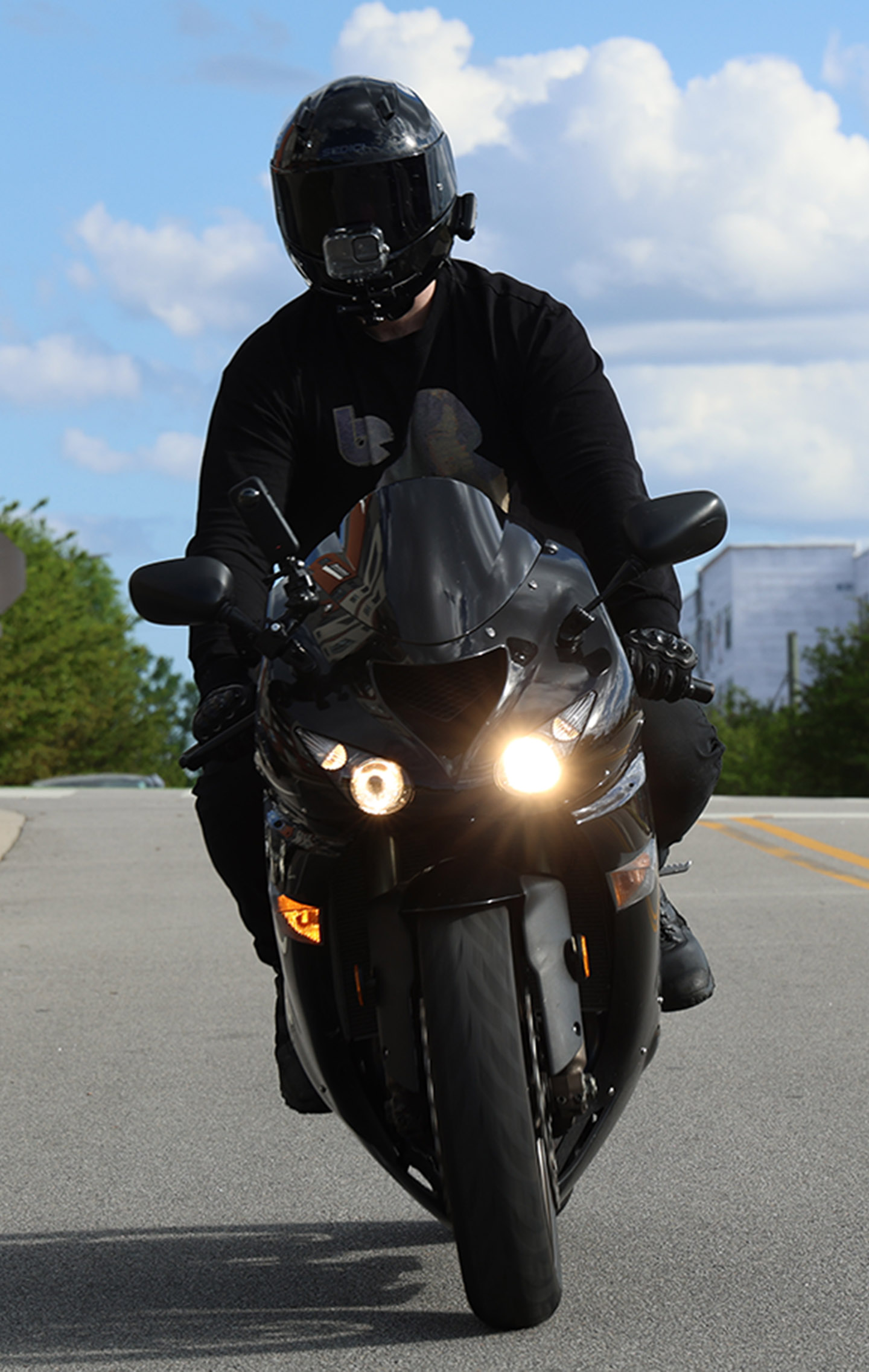
Residents in South Carolina are starting to use motorcycles as their primary vehicles because it’s cheaper to fill up the tank. Photo by Payton Hamrick/The Carolina Reporter
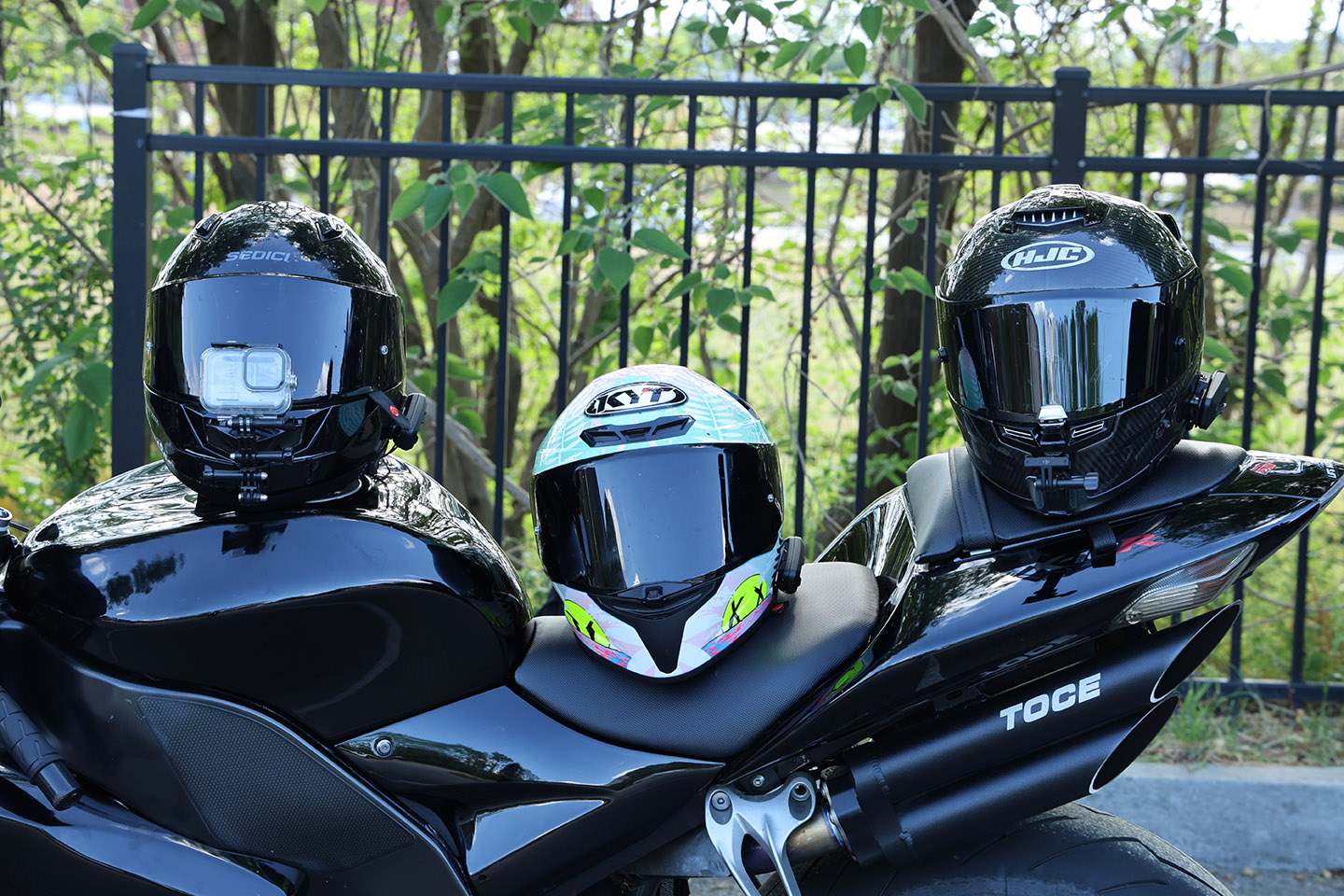
There are no statewide laws requiring cyclists to wear helmets. But anyone under 21 must wear a helmet on a motorcycle or moped. Photo by Payton Hamrick/The Carolina Reporter