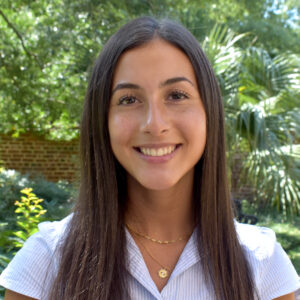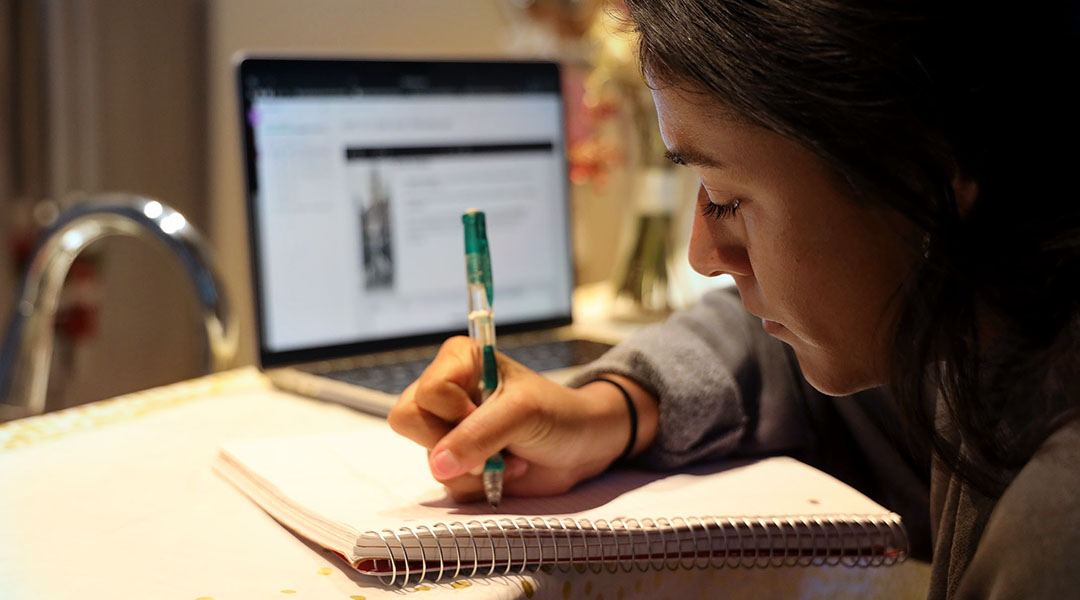
University of South Carolina student Bianca Zamora takes notes before a class final exam. Photo by Riley Mekanik/The Carolina Reporter
You can’t “see” mental health, and so many people’s needs go untreated.
Depression rates, at the same time, are on the rise. The diagnosis in adults 18-29 years old reached a record of 29% of the population in 2025, according to a Gallup News article.
“Over 1 in 8 Americans aged 12 and older now experience depression, nearly double the rate from a decade ago, fueled by stress, social media, and for many, the aftermath of the COVID-19 pandemic,” the article said.
As the stigma around anxiety, depression and more continues to be something people struggle to talk about, USC has put its best foot forward to try to aid those who are struggling.
College counseling centers typically serve about 10-12% of students annually, according to data from the Association for University and College Counseling Center Directors, Inside Higher Ed reported last year.
USC is no exemption, on-campus counselors say.
Mental health may be hard to navigate alone. Brian Lusk, executive director of mental health at USC’s Center for Health and Well-Being, sheds light on some factors contributing to the rise in depression going untreated.
“At an individual level, stigma, lack of awareness about symptoms, and a tendency to minimize or normalize distress also play a role,” he said. “Research on college populations further suggests that even when services exist, students may delay seeking help due to time constraints, uncertainty about where to go, or beliefs that their problems are not ‘serious enough,’ which contributes to a gap between need and treatment.”
Lusk said there are other misconceptions about depression.
“Another misconception is that it is always visible,” he said. “Many individuals with depression appear high-functioning academically or socially, which can lead others, and even the individuals themselves, to underestimate its severity.”
There are various methods and outlets for students to receive a helping hand at the wellness center. The website details weekly drop-in peer listening sessions, individual counseling, crisis support, specialty consultations, virtual care and group therapy/workshops.
Like the counseling center, USC’s Counseling and Psychological Services serves approximately 10-12% of the student population. That’s in line with what’s reported. by similar universities.
“I first started looking on the website and they told me they would do a consultation,” USC student Bianca Zamora said. “I was then paired with a therapist, just for general anxiety.”
She didn’t have to wait long for an appointment.
“I think there’s definitely a hesitation for students or anyone in general to go to any mental health service,” Zamora said. “For me, it was the way I was brought up, suppressing your feelings and not really talking about them.”
Zamora found time her spent in individual therapy sessions beneficial to helping her open up her emotions more.
“I know friends that have tried it, so I thought I’d give it a go,” she said. “I don’t use the services anymore, but I’m really happy I went in the first place.”
The staff at the center also love what they do. Brendan Quinn, part of the student faculty, said his favorite part of working at the center is helping the students.
“I never realized the impact the center had on students until I started working here myself,” Quinn said. “I’m thankful to be a part of it and see what they do first-hand.”
FINDINGS
- University of South Carolina’s mental health counselors serve 10-12% of the student population.
- Depression goes untreated commonly due to people underestimating the severity of their mental health problems.
- USC provides numerous resources and support groups on its Center of Health and Well-Being website.
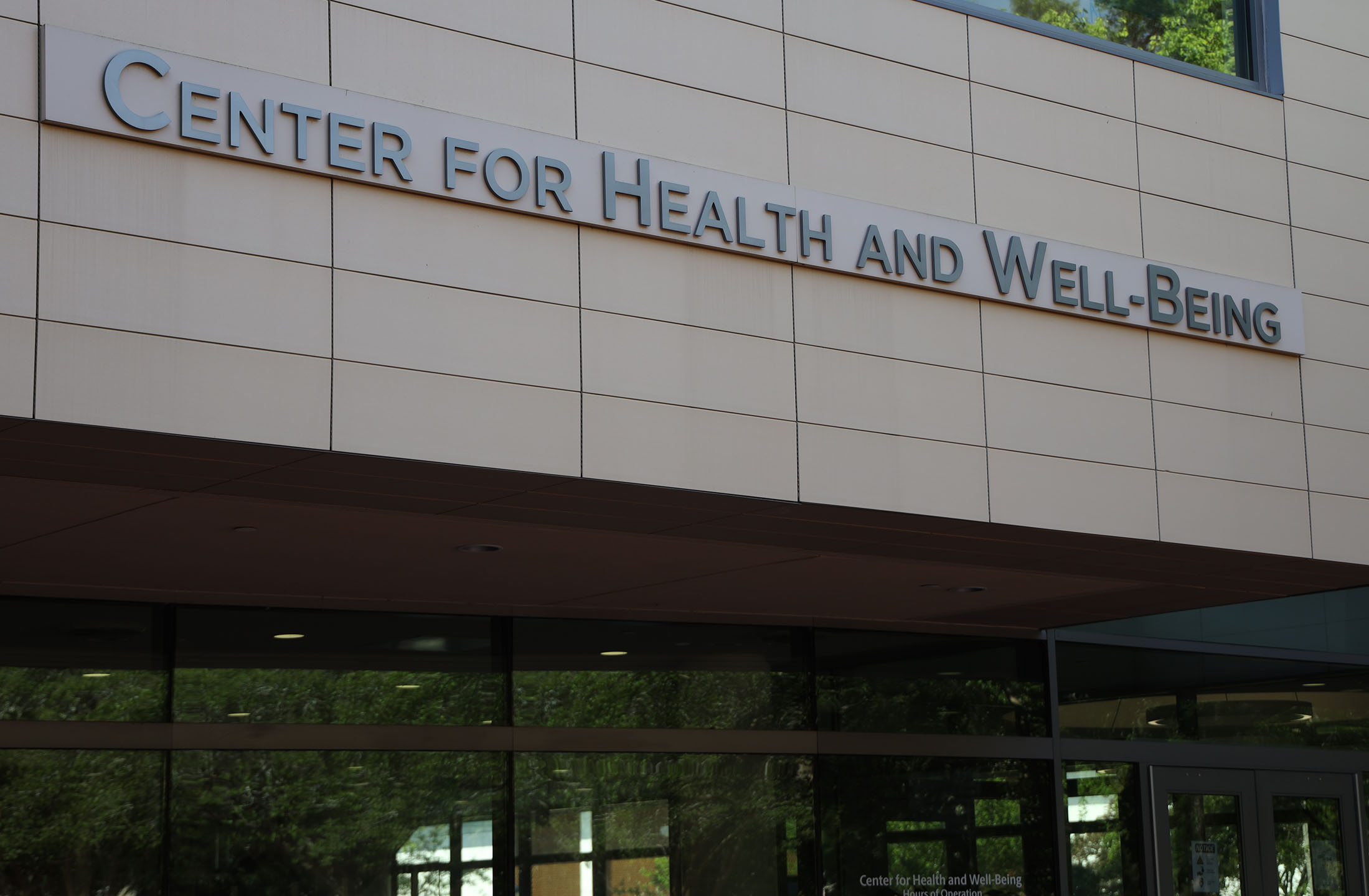
The Center for Health and Well-Being is adjacent to Thomas Cooper Library. Photo by Riley Mekanik//The Carolina Reporter
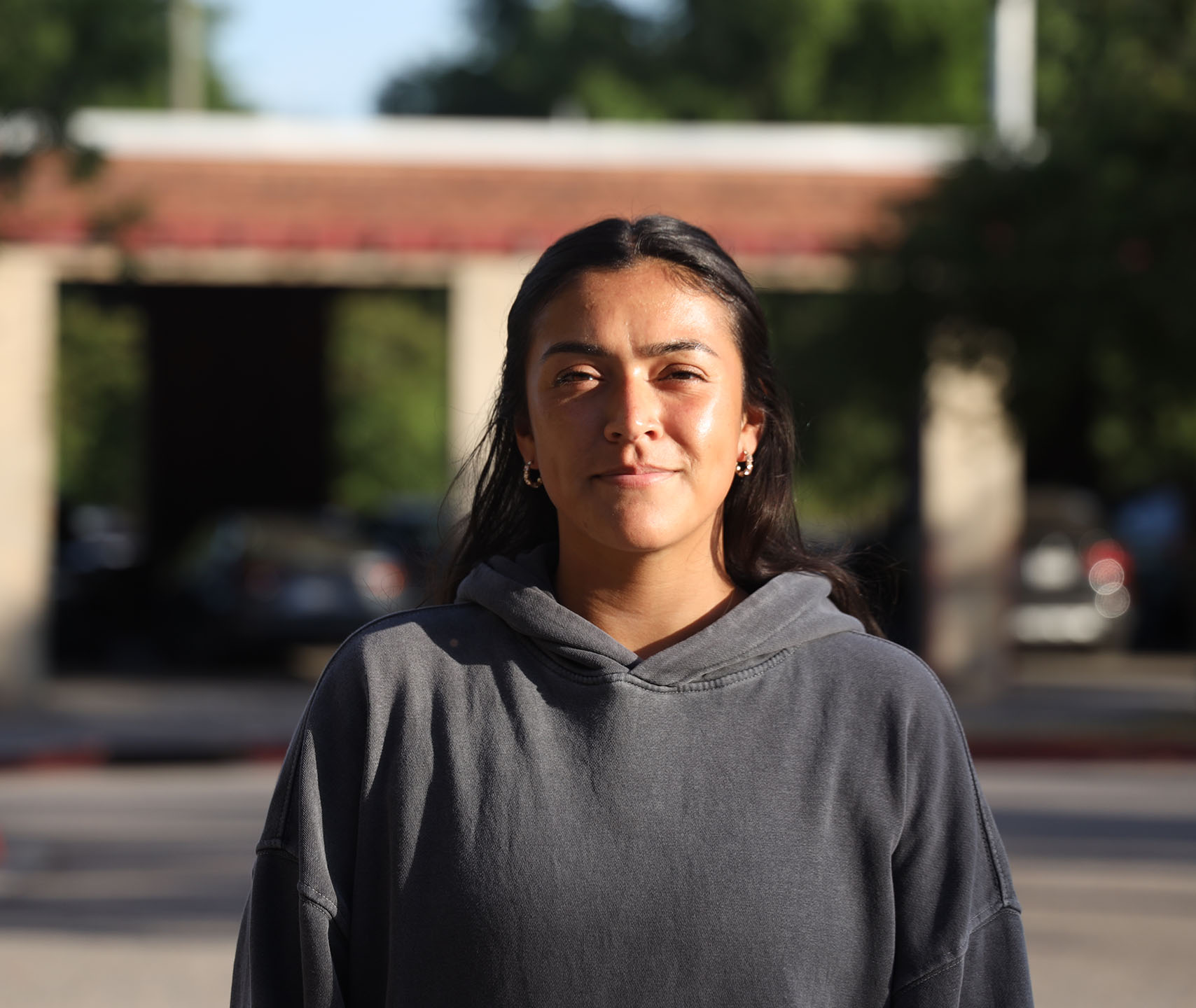
USC student Bianca Zamora stands outside of her housing complex. Photo by Riley Mekanik//The Carolina Reporter
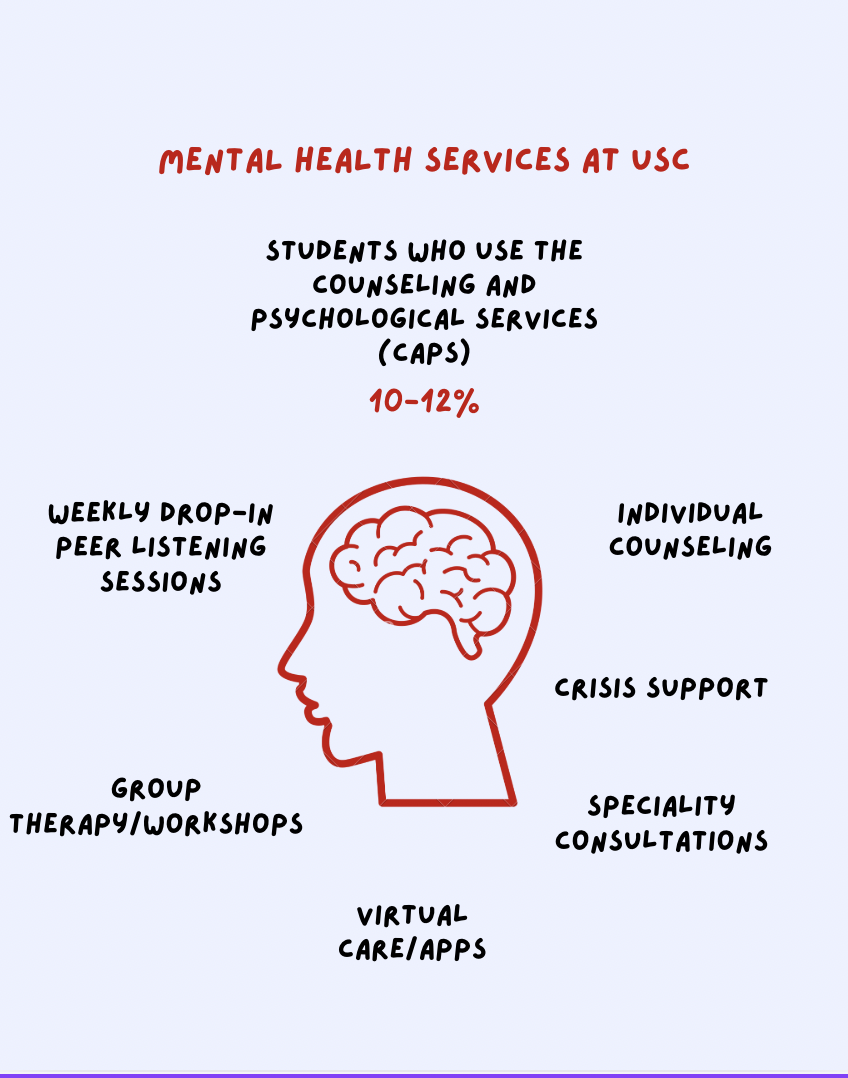
An infographic showing how USC provides mental health resources for its students. Photo by Riley Mekanik/The Carolina Reporter