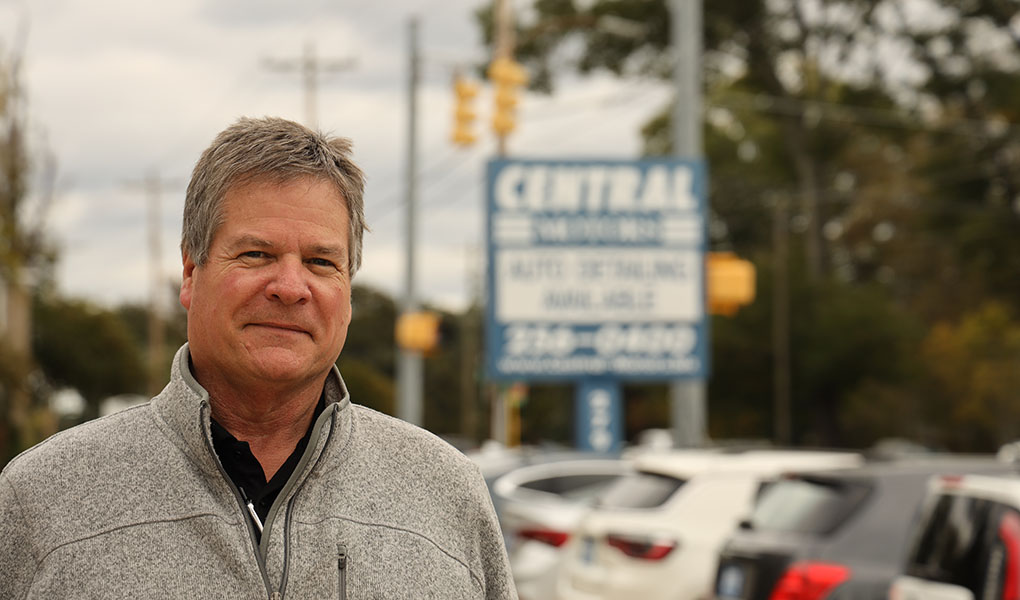
Dealership owner Norman Stuckey began Central Motors on Millwood Avenue in Columbia in 1996. “This is my livelihood,” Stuckey said. “This is how, you know, I pay the rent.” Photo by Olivia Sisson/Carolina Reporter
Volkswagen-backed Scout Motors has secured $1.3 billion from South Carolina to build its only North American plant near Columbia, but its push to sell directly to customers has created controversy across the state.
States nationally have begun changing laws to allow electric vehicle manufacturers such as Scout Motors and Tesla to sell directly to consumers. South Carolina now prevents direct sales for several reasons, mostly to protect the nearly 1,500 auto dealerships across the state.
Times have changed since those laws were enacted in the 1960s and ’70s, and the need for dealerships is dwindling, Scout Motors representative Jaime Lovegrove said.
“We feel pretty good about the fact that customers want something else,” Lovegrove said. “Car dealers are, the reality is, extremely unpopular.”
A direct-sales model will benefit company-consumer relationships, Lovegrove said. But until proposed legislation is passed, taxpayers who funded the facility won’t be able to buy the vehicles made there unless they go to another state.
The idea behind South Carolina’s century-old law prohibiting manufacturers from also being sellers was to avoid creating monopolies.
A bill that would change that was introduced in the spring in the Labor, Commerce and Industry committee of the S.C. House of Representatives.
Dealerships made a more compelling case than manufacturing companies, said committee chairman Rep. William Herbkersman, R-Beaufort.
“Part of their argument is how it affects South Carolina,” Herbkersman said. “The car dealers and dealerships, they support every little league football team or little league baseball team, every set of cheerleaders, volleyball teams, stuff like that. They’re hometown guys.”
Lovegrove argues franchise dealers aren’t “mom and pop stores” anymore.
“They are massive national conglomerates,” Lovegrove said.
Data shows that franchise dealerships in other states that have allowed such sales haven’t seen a decrease in sales revenue, Lovegrove said.
Preferential treatment?
Norman Stuckey sits behind his desk at Central Motors, the small\, used-car dealership he owns on Millwood Avenue in Columbia.
He looks through old family photos showing the South Carolina farm he was raised on and his family’s legacy in the automobile industry.
“This is my livelihood,” Stuckey said. “This is how, you know, I pay the rent.”
Stuckey has sold cars since he graduated from the University of South Carolina in 1983. He opened his own dealership in 1996, selling a variety of car makes and models, and since has raised two children.
“What will change?” Stuckey said. “I think that’s the fear.”
The thought brings him back to when he first started his career and to the Columbia community that helped support it.
There’s “so many new people moving into our state,” Stuckey said of what’s slipping away. “I think it doesn’t hurt to hold on a little bit.”
Other dealers are thinking about the future, too, even though the proposed law would protect arrangements between existing franchise dealerships and their car manufacturers
Mounir Tazir has owned Freedom Car Sales in downtown Columbia since it opened in 2008.
Tazir worries dealerships in the area could be cast out if laws are changed.
“Take Uber,” Tazir said. “Uber came in and killed all the cab companies. Now you don’t see cabs anymore because Uber is so big. If it is like that, then dealerships here will take a hit.”
Scout Motors might not be from the Midlands. But with the huge investment from the state, the company plans to give back to the region with 4,000 permanent jobs at its compound.
“Four thousand jobs is hard to do if you don’t have the sort of state and local partners that are willing to do the work to support it,” Scout’s Lovegrove said.
Some car dealerships find the state’s billion-dollar incentive problematic because of Scout’s support for the proposed legislation, Herbkersman said.
“The argument that the car dealers had was like, ‘Wait a minute, we’re paying taxes, and they’re using our tax dollars on these incentives. So why are they getting preferential treatment?’” Herbkersman said.
What doesn’t make sense to both Herbkersman and some Midlands dealerships like Central Motors is why Scout would build a facility in a state where it can’t sell directly to consumers.
Stuckey said he thinks Volkswagen assumed the legislation would breeze right through.
Some plans just don’t work out, Stuckey said.
The human element
Sales associate Reece Wainwright at Peter Boulware Toyota dealership is unsure why the state would make a huge investment in the first place.
But he said he welcomes any challenge that Scout Motors may bring.
“I’m somebody that believes that just about all competition is healthy, to a degree,” Wainwright said.
The House committee put the bill on pause after each side presented its argument. But the Scout facility is already halfway built, and cars will be available by 2027, just possibly not to South Carolina residents, Lovegrove said.
Scout Motors still will push for the bill to go through next year, and dealerships plan to keep an eye on any changes.
“I don’t know what’s going to happen,” Stuckey said. “I guess being an old South Carolina boy, I will look at it hard.”
Some employees are confident Scout and other EV manufacturers won’t be able to beat the old dealership model.
“At the end of the day, car sales need to have a human element to it, I think,” Wainwright said.
Scout Motors said selling directly would build more trust than a dealership could provide.
But trust, Herbkersman said, is built in different ways.
“I’ll bet your dad, and I’ll bet your mom, knows their car dealer, the guy they deal with, pretty well,” Herbkersman said. “And so, when you say Scout, it’s a cool car. But it’s just another car.”
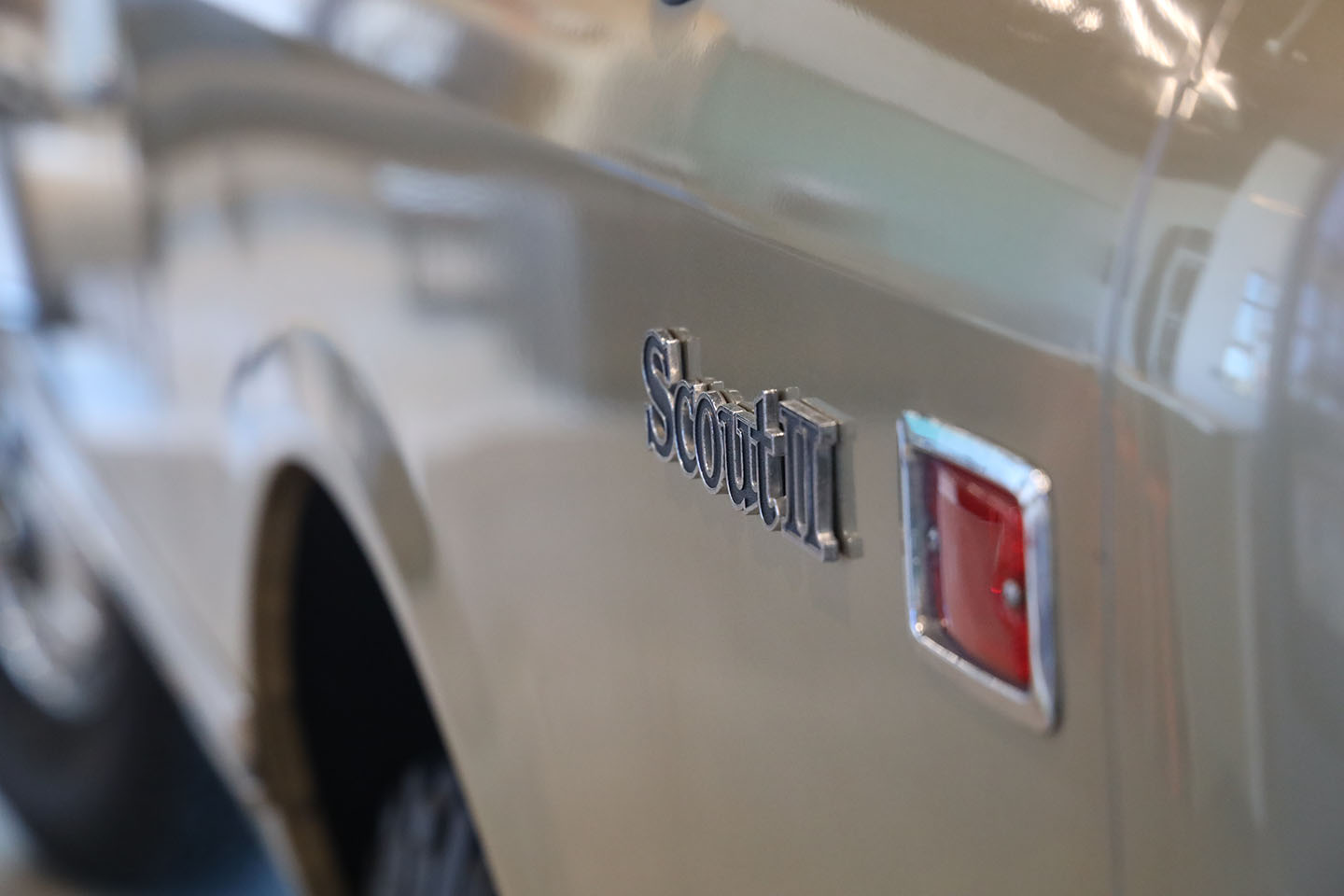
A Scout Motors truck from the 1970s, around a decade before the company stopped production. The brand was bought in 2021 by the Volkswagen Group, which now plans to bring back Scout’s old style. Photo by Olivia Sisson/Carolina Reporter
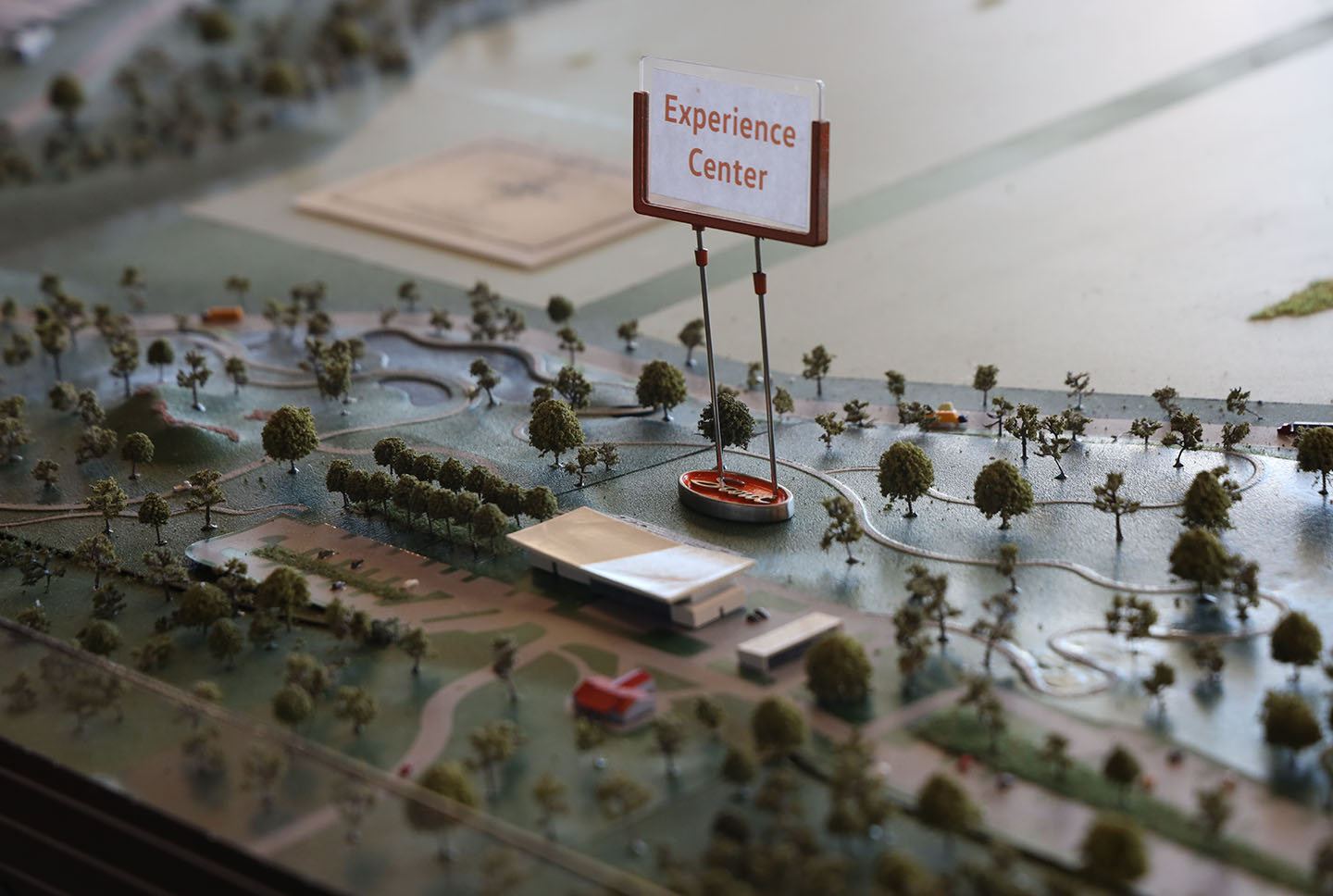
Scout Motor’s new 1,600-acre facility will include an “experience center.” “You get to really interact with the brand on a deeper level,” Scout representative Jaime Lovegrove said. Photo by Olivia Sisson/Carolina Reporter
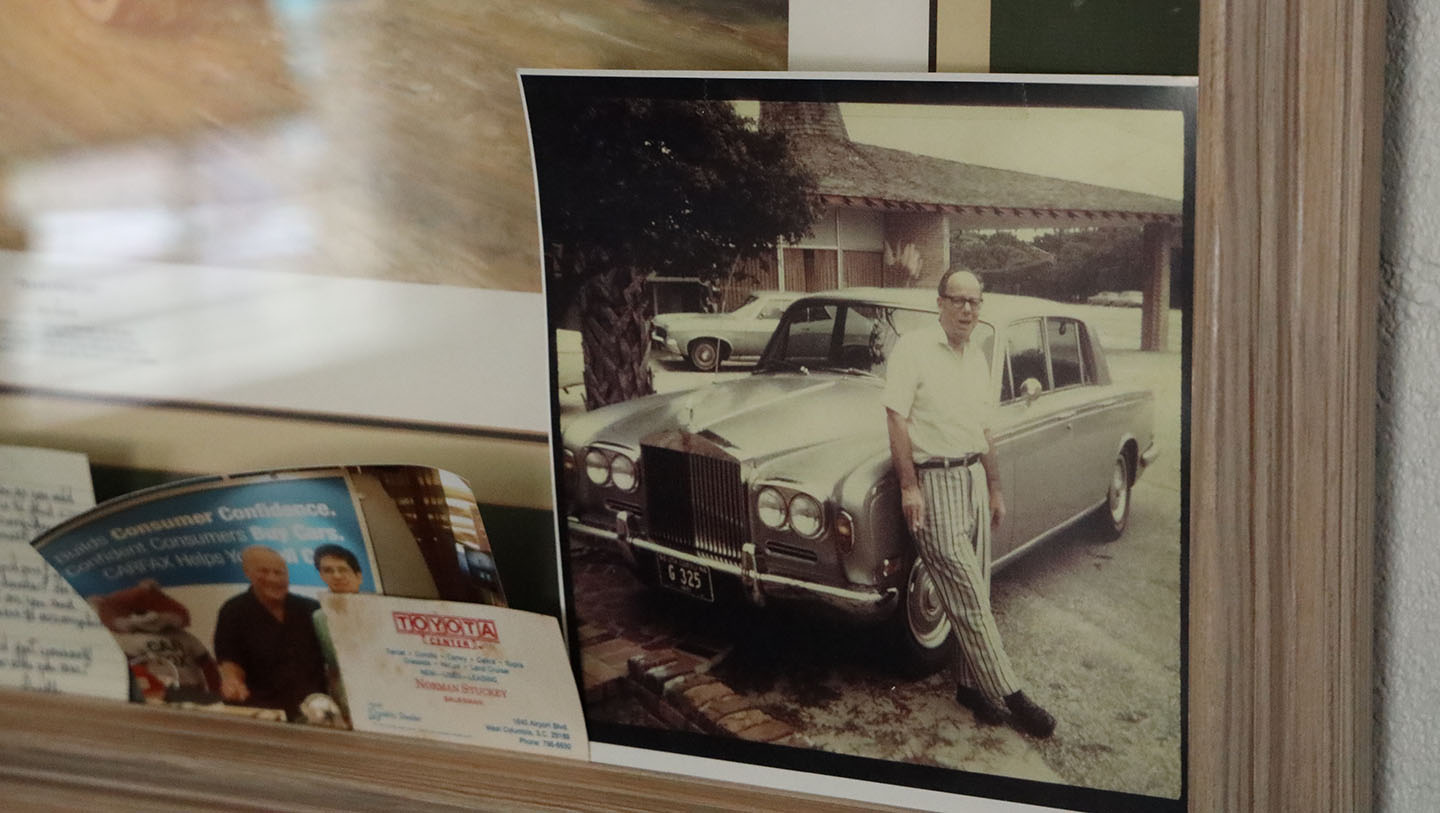
Other members of Stuckey’s family also have sold automobiles for a living. Photo by Olivia Sisson/Carolina Reporter