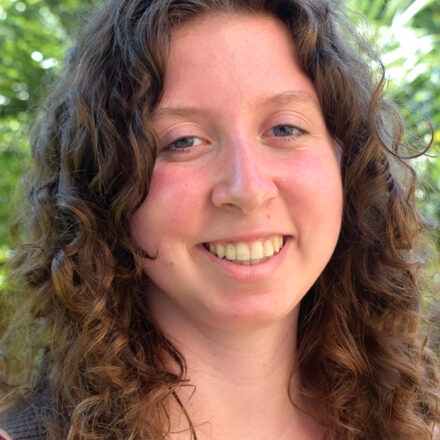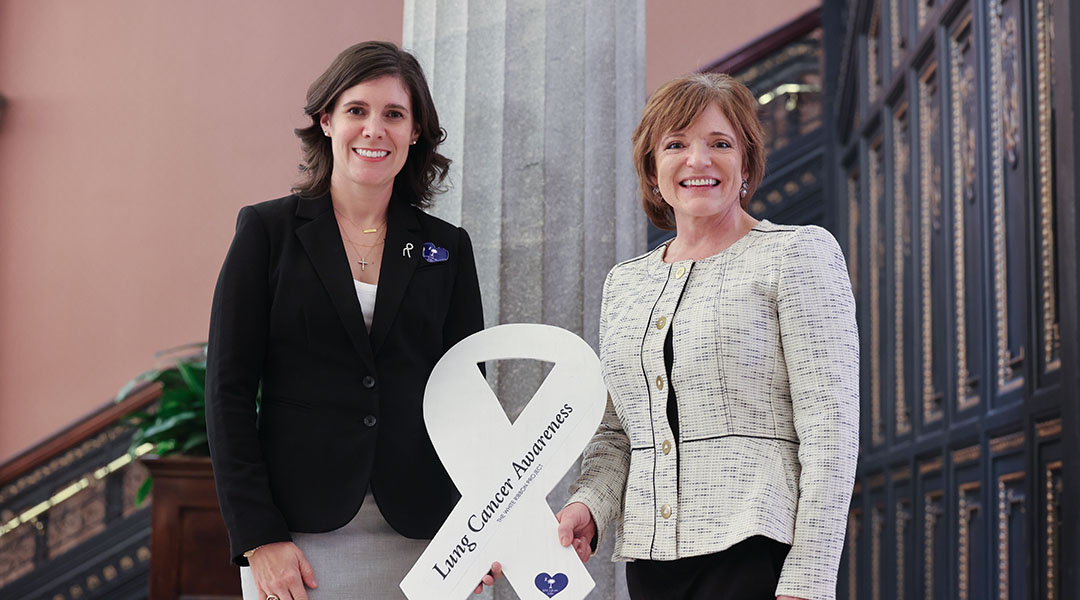
Amanda Dyer, left, and Pamela Wright, professors at the USC College of Nursing’s Cancer Survivorship Research Center, lead Breathe Easier Plus, a virtual rehabilitation program for lung cancer survivors. Photo by Sydney Lewis/Carolina Reporter
Marvin Gootee walked into a Florida Veterans Administration hospital more than 20 years ago and left with a Stage 3 lung cancer diagnosis.
The practitioner he saw there said it was practically a death sentence. But after enrolling in a University of Florida medical trial, targeted radiation therapy and the removal of his tumor, Gootee began to look forward.
The fight for a better quality of life for many patients, though, doesn’t stop at remission. Common side effects of treatment include nausea, fatigue, depression and decreased mobility, according to the CDC. Millions of cancer survivors and Gootee – who attributes both his lung and prostate cancer diagnoses to Agent Orange exposure during the Vietnam War – must grapple with those effects.
That’s where Breathe Easier Plus aims to step in. It’s led by University of South Carolina nursing researchers Pamela Wright and Amanda Dyer and developed through the USC College of Nursing’s Cancer Survivorship Center. Breathe Easier Plus is a 12-week virtual rehabilitation program which involves a cancer survivor and a partner of their choice participating in resistance training, guided walking, stress management and virtual coaching to address barriers to recovery.
The original iteration of Breathe Easier was an eight-week yoga and mindfulness initiative created in 2018 by Karen McDonnell, an associate USC nursing professor. It has since been expanded into a virtual operation accessible to survivors and their partners from home. Researchers provide participants with tablets, Fitbit wristbands to track vitals, resistance bands and a rehabilitation coach.
A $20,000 grant from USC’s Center for Advancing Chronic Care Outcomes through Research and Innovation is helping fund the expansion.
Gootee is a graduate of the original program and an advocate for the way it changes survivors’ quality of life. Though some of the initial group members have since passed away, Gootee remains positive about meeting and encouraging new participants.
“They get excited to find out that it’s possible to survive lung cancer and still live a good life,” said Gootee, who remains active with several veteran organizations, gardening and spending time with his family.
Wright said one of the main goals of the evolution into Breathe Easier Plus has been ensuring adaptability to patients’ schedules. And reminders six days a week are designed to keep patients engaged. Supportive reading is also provided to help survivors and their caregivers with stress management.
“We try to build in a lot of flexibility,” Wright said. “I think that’s important when you’re looking at behavior change.”
The national average of people alive five years after their lung cancer diagnosis has increased by 26% since 2020, according to a 2025 American Lung Association report. Longer life expectancies for survivors means more time but also a growing need for survivor and caregiver support.
“It’s already starting to boom,” McDonnell said. “People are beginning to notice that lung cancer survivors are living longer. We need to help them and their family members.”
McDonnell said the program hopes to treat the emotional and physical strain of caring for someone through cancer treatment alongside the rehabilitation of the survivors.
“They told us they wanted to do it with the partner, so we were compelled to figure that out,” McDonnell said. “Sometimes the family members are sicker than the patients because they’re exhausted from caring for the patient and emotionally exhausted from worrying about the patient.”
Recruitment to the program has been an obstacle, Wright said – six pairs are enrolled, but researchers are seeking 12 to 15.
Dyer said the sense of community among survivors and improved quality of life have shown her the lasting impact of Breathe Easier.
“We have a community support group called the Breathe Easier Club, and we meet several times a year,” Dyer said. “They keep a lot of the practices that they learn in our program for years to come to continue that positive quality of life.”
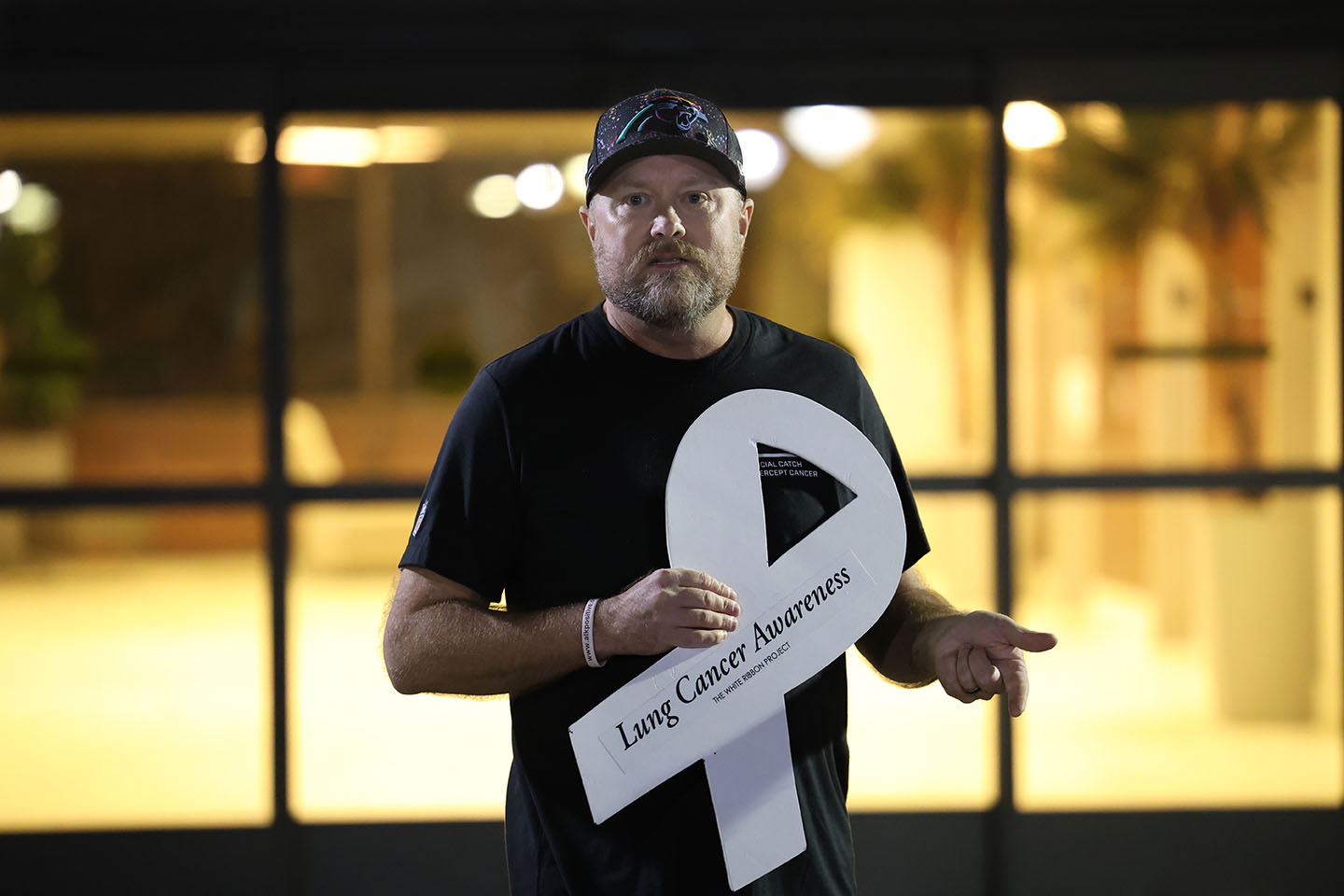
S.C. Senate attorney and lung cancer survivor J.J. Gentry speaks to USC’s chapter of Relay for Life. The group painted signs for a Nov. 4 event announcing November as Lung Cancer Awareness Month. Photo by Sydney Lewis/Carolina Reporter
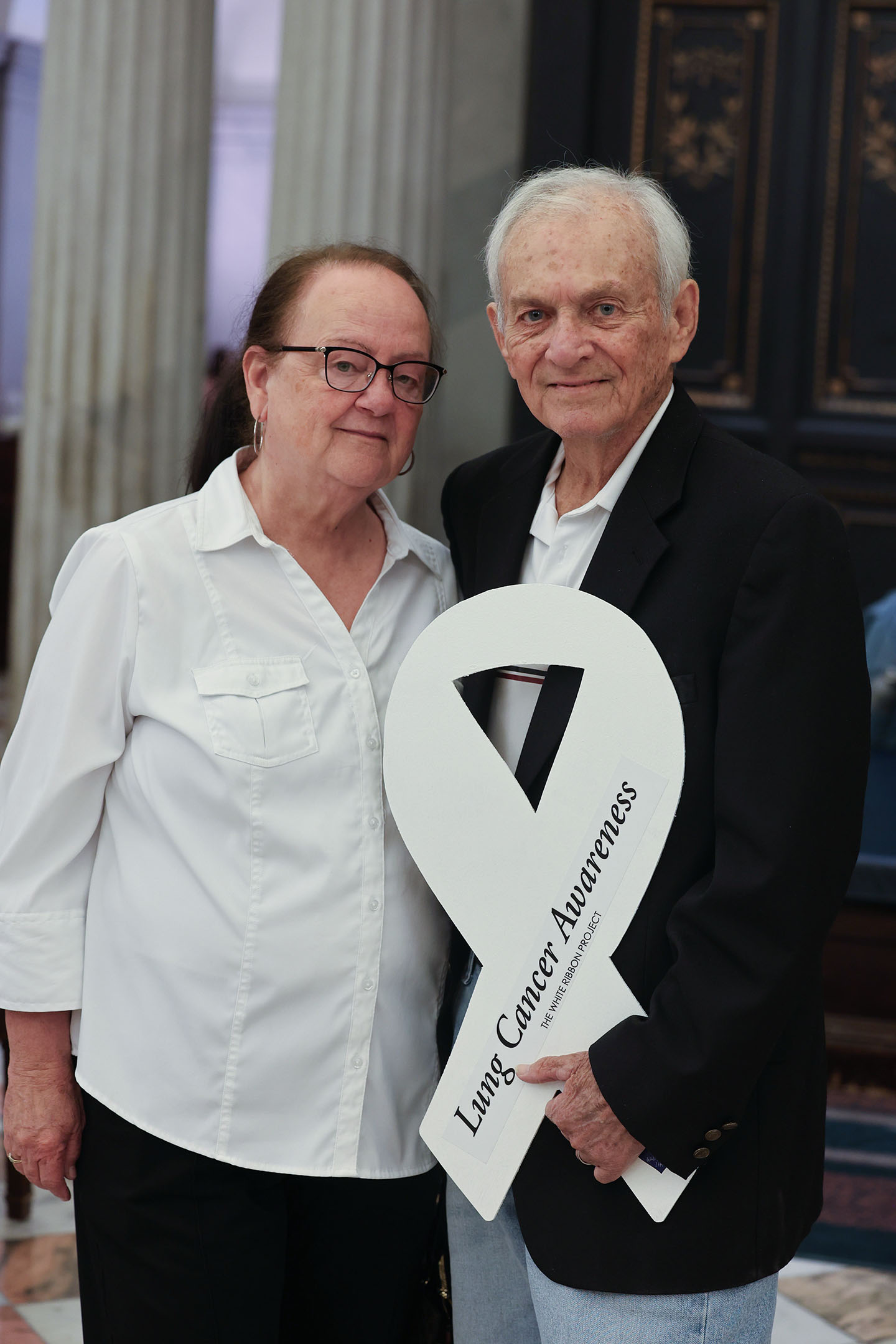
Lung cancer survivor Marvin Gootee, right, and wife Cheryl attend Gov. McMaster’s proclamation of November as Lung Cancer Awareness Month in South Carolina. Gootee was involved in the first iteration of Breathe Easier with Cheryl as his partner. Photo by Sydney Lewis/Carolina Reporter
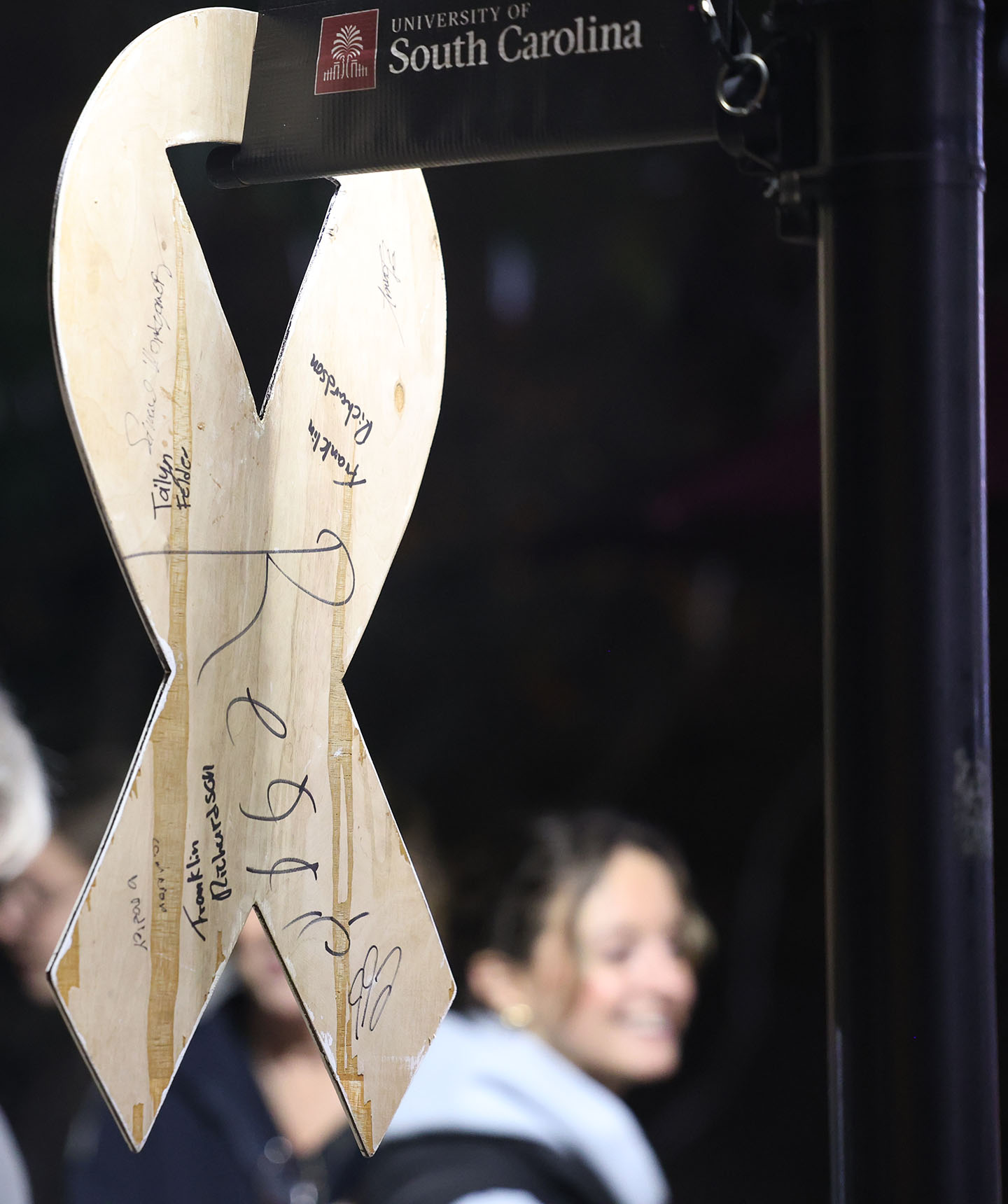
Signatures cover the back of white ribbon signs in support of lung cancer awareness. Photo by Sydney Lewis/Carolina Reporter