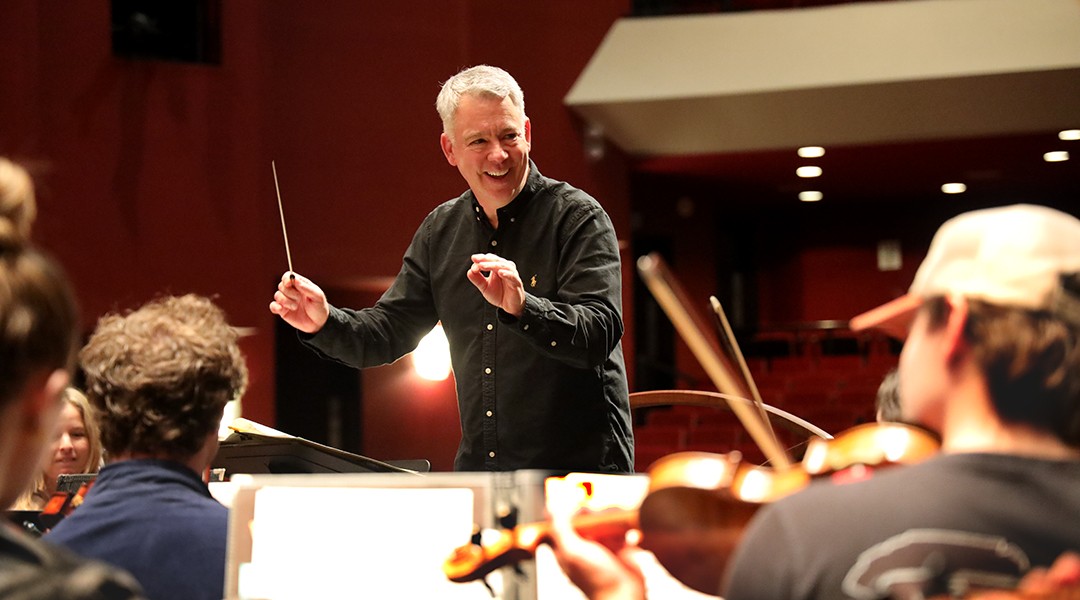
Scott Weiss is the director of orchestras at the University of South Carolina and conducts the Aiken Symphony and the South Carolina Ballet Orchestra. “It’s pretty remarkable how much and how rich the music scene is,” Weiss said. Photo by Payton Hamrick/The Carolina Reporter
Columbia has a vibrant musical nightlife thanks in no small part to the University of South Carolina’s School of Music.
The music school allows students, residents and tourists to enjoy a variety of performances while preparing students for professional careers, said Tayloe Harding, the school’s dean.
“I would say that virtually every aspect of what we do instructionally in the music school is informed by and impacts community betterment in Columbia and beyond,” Harding said.
Graduates stay in their field, and they stay in the state.
USC School of Music alumni teach at the school systems across South Carolina, learning new things and relaying the information back to faculty, Harding said. About half the state’s public school teachers are USC graduates, he said.
The music school continues to try to find unique ways to teach the students.
After they graduate, the students improve their musical and teaching skills and help the college grow, he said.
The Koger Center for the Arts, next door to the music school, allows students’ growth to be seen by the community, hosting more than 300 performances per year.
“We’re always looking for ways to advance that are creative, new and might strike a new audience, as well as build an existing audience,” Harding said. “The Koger Center is a dream partner in this process, because they have that same mission.”
Music from the school as well that performed off campus can vary between classical, R&B, pop and more.
What it takes
USC Director of Orchestras Scott Weiss said the music school produces well-rounded, talented musicians.
He has stayed in Columbia 16 years because of the quality of students, he said.
A musician can be successful in the music industry if they are humble, responsible and collaborative, Weiss said.
He teaches students to go beyond these traits to be able to have a chance as a professional musician.
“It’s not enough for a musician just to be a great musician and not be a delight to work with,” Weiss said. “There are lots of people who fit that description, not in our School of Music, but in the greater musical world.”
Conducting more than 70 musicians can be better to help bring the composer’s music to life, Weiss said. Some students and faculty come from around the world and helps with keeping this generation of musicians so diverse, he said.
There are eight professional symphony orchestras in South Carolina that are a laboratory for students to join, Weiss said. The professional orchestras allow students to continue growing and performing around the state.
“Even in the School of Music, there are hundreds of performances a year,” Weiss said. “But then, take it beyond the School of Music and out into the art museum and all these other venues that that music happens in and it’s pretty remarkable how much and how rich the music scene is.”
Performing and growing
Students branch out to become performers outside of USC even while they’re still in school.
Kaily Alexandria is a part of the Music Industry Studies major and has started making music of her own.
Work on her songs while also being in school has taught Alexandria patience. She said she wants people to understand who she is with her music.
“I think Columbia is doing a good job at diversifying the music scene, and I hope that I can continue to grow that path and move it in the future,” Alexandria said.
The School of Music opens opportunities for students to be signed on by labels, too. Junior music industry studies major Katie DeMartini said her label allows her to express ideas and grow as an artist.
The label is not the only people who are supportive, DeMartini said. Other local bands and artists all support each other no matter what stage of popularity someone is at.
“It’s inspiring to work around so many incredible musicians and bands that are working for the same goal as you,” DeMartini said. “It’s really admirable.”
There are a lot of opportunities in Columbia for someone trying to start a music career, DeMartini said.
“I think there’s a little bit for everyone, which I think is really awesome,” DeMartini said, “No one is the same. We’re all so different and I think that’s what makes Columbia so unique.”
FINDINGS
- The University of South Carolina’s School of Music wants to keep music alive throughout Columbia.
- Columbia’s music scene is becoming more musically diverse.
- USC’s School of Music continues to add programs to drive new target audiences for different types of performances.
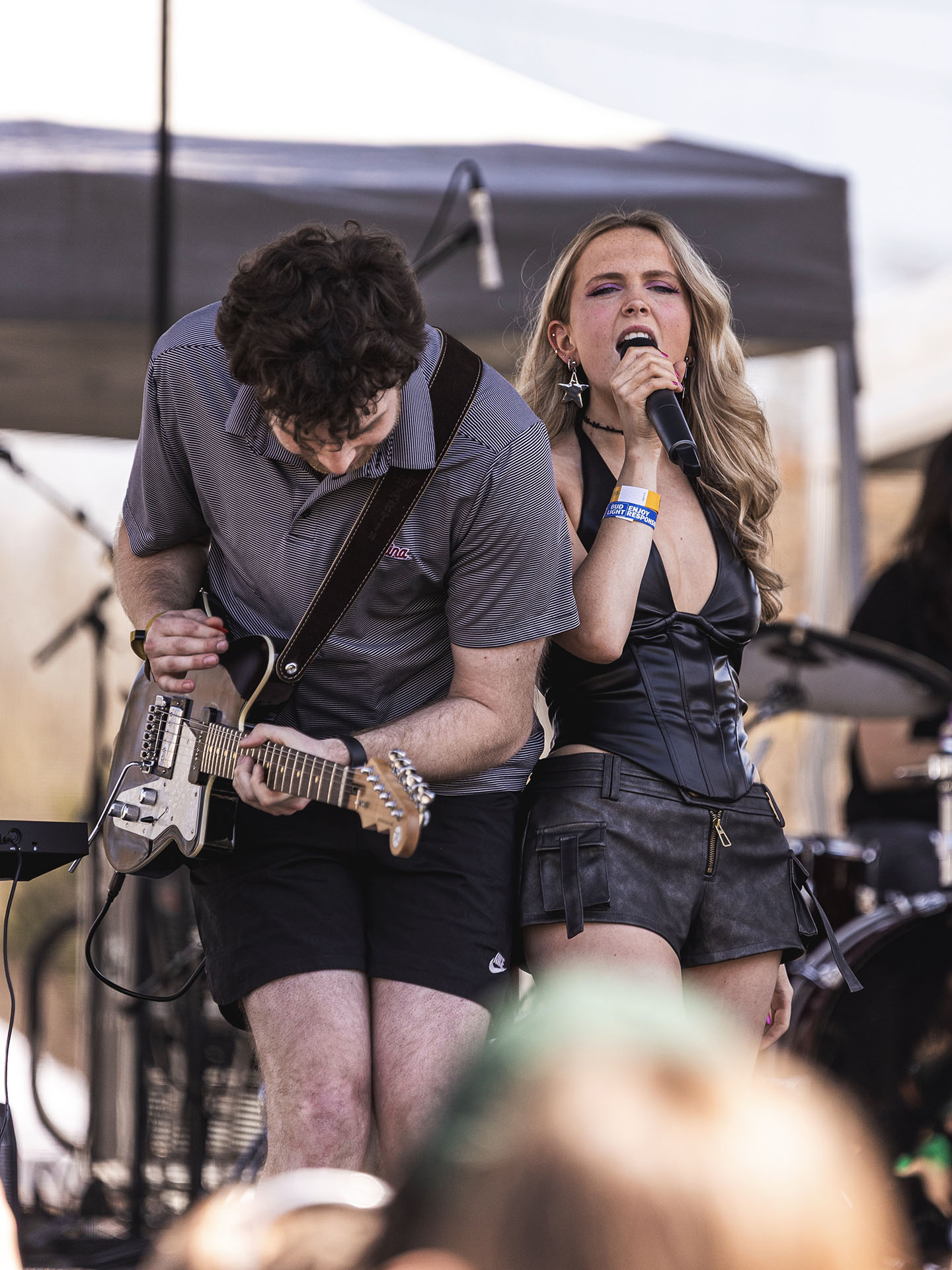
Katie DeMartini performed at the St. Pat’s celebration in Five Points for the second year in a row. Photo by Zachary Kilgore/Courtesy of Katie DeMartini/The Carolina Reporter
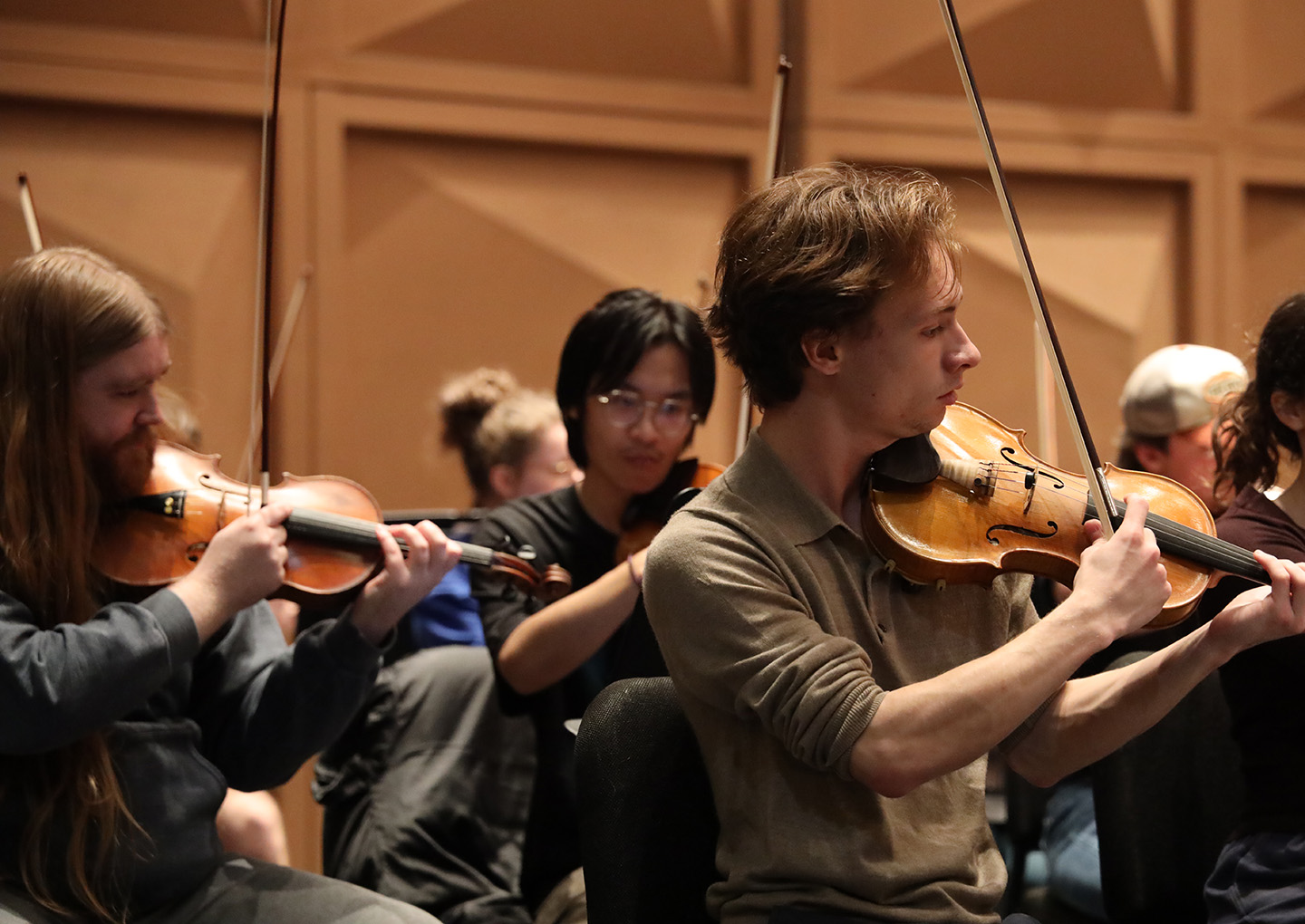
Mac Tollefsen is a junior music education and violin performance major at the University of South Carolina School of Music and plays for the USC Symphony. Photo by Payton Hamrick/The Carolina Reporter
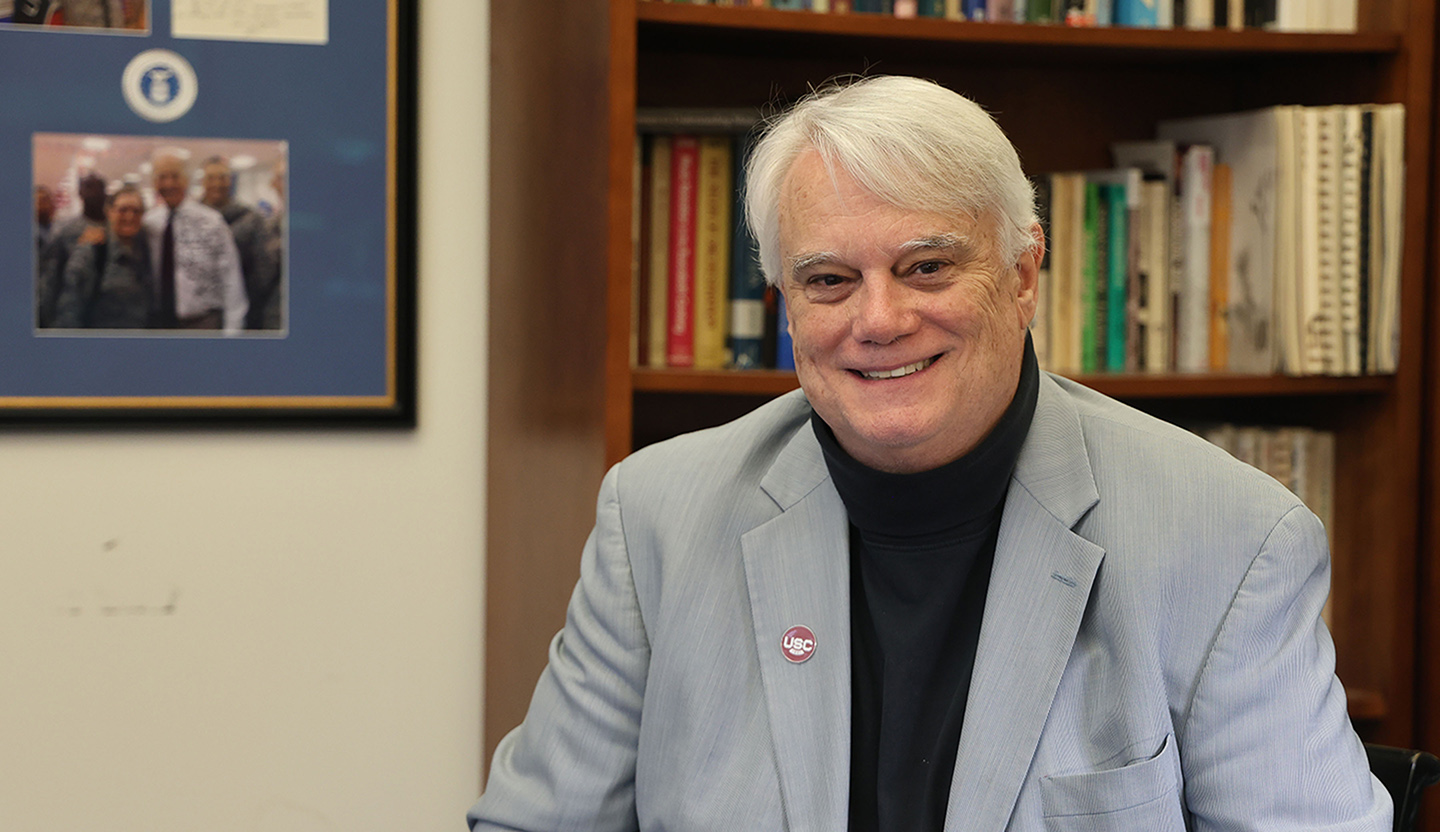
USC’s School of Music Dean Tayloe Harding said the growth in Columbia over the past 15 years has made a lasting impact for the community’s music scene. Photo by Payton Hamrick/The Carolina Reporter
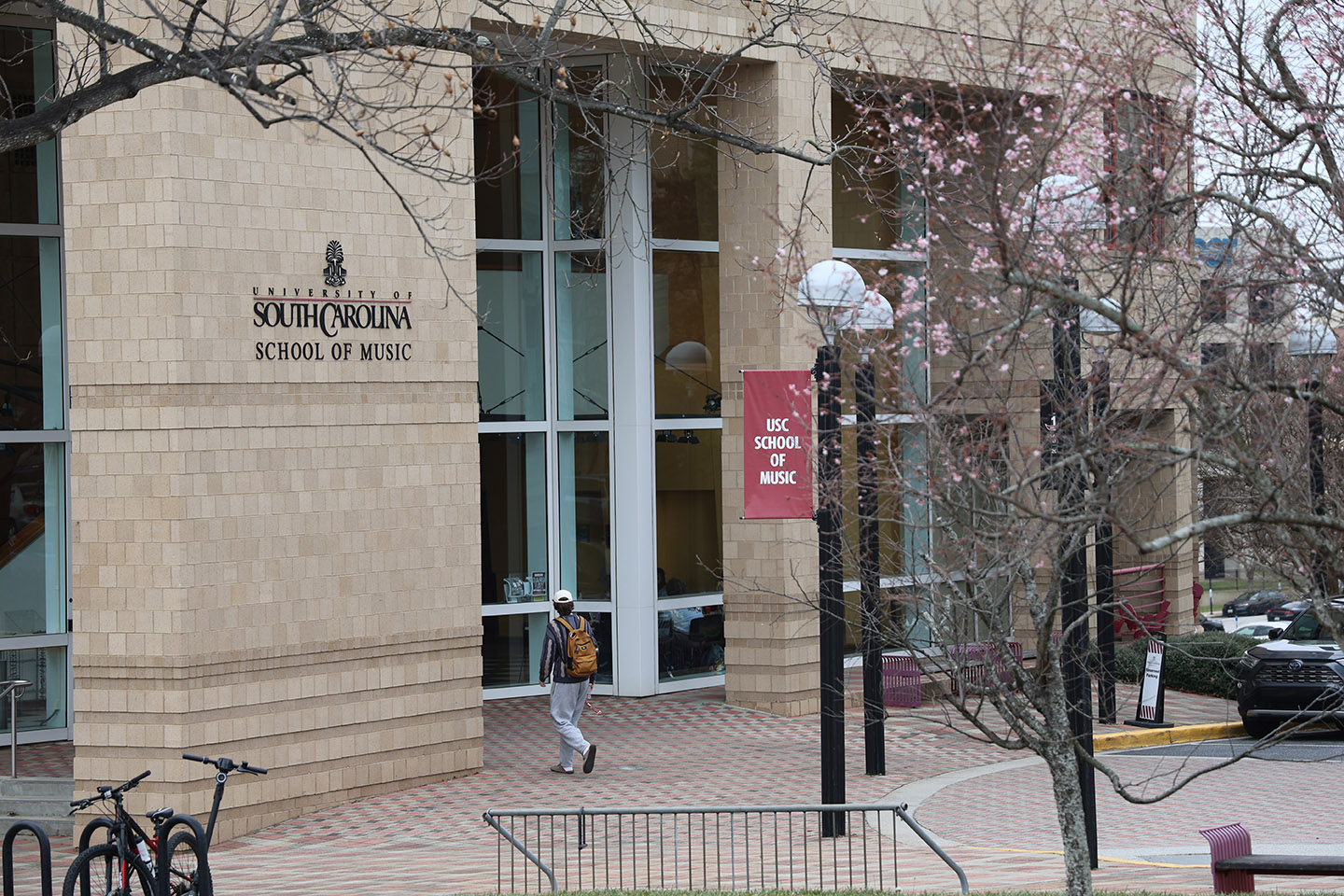
USC’s School of Music is pivotal to the musical offerings in Columbia, producing young students to become professional musicians. Photo by Payton Hamrick/The Carolina Reporter