Some of the most destructive apartment fires begin with the simplest, most avoidable mistakes.
“You can’t put the pizza box in the oven,” said Michael DeSumma, Columbia-Richland Fire Department’s public information officer. “It will catch fire.”
The most common causes of fires in apartments and houses are unattended cooking, space heaters and candles.
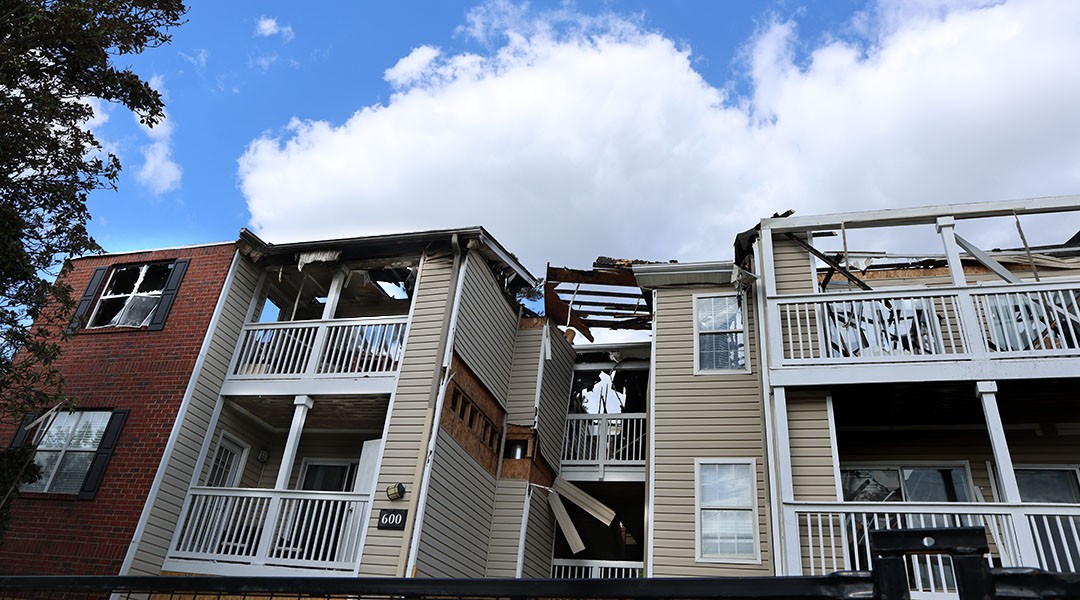
One recent apartment fire in Columbia shows how quickly things can get out of control.
“We had a huge fire back in February, off of Broad River Road,” DeSumma said.
The fire happened at the Broad River Trace apartment complex. The Feb. 3 fire displaced at least 38 people and damaged 28 units, the department said in a Facebook post. There were no injuries.
“That all got started because the guy put a towel in the oven,” DeSumma said.
The situation quickly escalated as he tried to remove the burning towel.
“He took a towel and he tried to take it outside and caught other things on fire,” DeSumma said. “Then, he opened the door, which introduced more oxygen into the apartment.”
Knowing how to respond can be the difference between a small kitchen fire and a major apartment fire for residents.
“If you turn the oven off and keep the door shut, it will burn itself out,” DeSumma said. “If you open the door, you get more oxygen into it, and you feed the fire and make it bigger, and it can spread outside your oven.”
Once a fire spreads, there’s little time to react.
“You’ve got under 2 minutes to get out safely,” DeSumma said. “It’s not a guarantee, either. Like in most cases, you’ve got up to 2 minutes.”
Apartment fires intensify quickly.
“Fire will just keep eating until there’s nothing left,” DeSumma said. “It will burn and burn and burn, consume and consume until it burns itself out. And that’s the case with apartments, there’s a lot there that can burn.”
A WIS 10 article published Feb. 3 said firefighters rescued three dogs and two cats but that other pets did not survive.
Firefighters often have to make difficult decisions in these situations.
“We obviously want to save your pets,” DeSumma said. “Pets are your family. I know, I have two dogs, OK? But when it comes to human life versus animal life, human life gets priority.”
Residents can take precautions to help keep their pets safe before a fire begins.
“They have window decals you can put on windows,” DeSumma said.
The decals also can be placed on exterior doors, but window decals are more visible and easier for firefighters to read, DeSumma said.
They typically list the owner’s name and phone number, along with how many pets are inside the home. Some fire departments provide them, though not all do, he said.
“Those are things that are definitely, if you can get them, worth the investment to have,” DeSumma said.
How pets are kept in the home, too, can impact their ability to escape during a fire.
“We want every living thing in your apartment to be able to get out of the unit or house,” DeSumma said. “If your dog doesn’t have to be in a crate anymore, don’t put it in the crate when you leave your house.”
Uncrated pets have a better chance of escaping during a fire, he said. Some pets may hide when they are scared, but if they are in a crate, they cannot escape. Firefighters would also have to locate the crate before reaching the animal.
Fire safety starts with early detection. Knowing there is a fire is the most important step in staying safe.
“If a fire happens in the middle of the night and you don’t have any alarms, you’re not going to wake up,” DeSumma said. “Making sure your smoke alarms are where they’re supposed to be and that they work is critical.”
One smoke alarm alone is not enough to keep a home safe.
“Have working smoke alarms in your house,” DeSumma said. “They need to be inside and outside every sleeping area of your house. If you have a basement, they should be in the basement. If you have an attic, they should be in the attic. You’d rather have too many than not enough. You need to have that warning to get out if there’s a fire.”
DeSumma follows the same safety measures at home.
“My life and my family’s life, my two kids and my wife – our lives are in the hands of the smoke alarm that’s outside of our door,” DeSumma said.
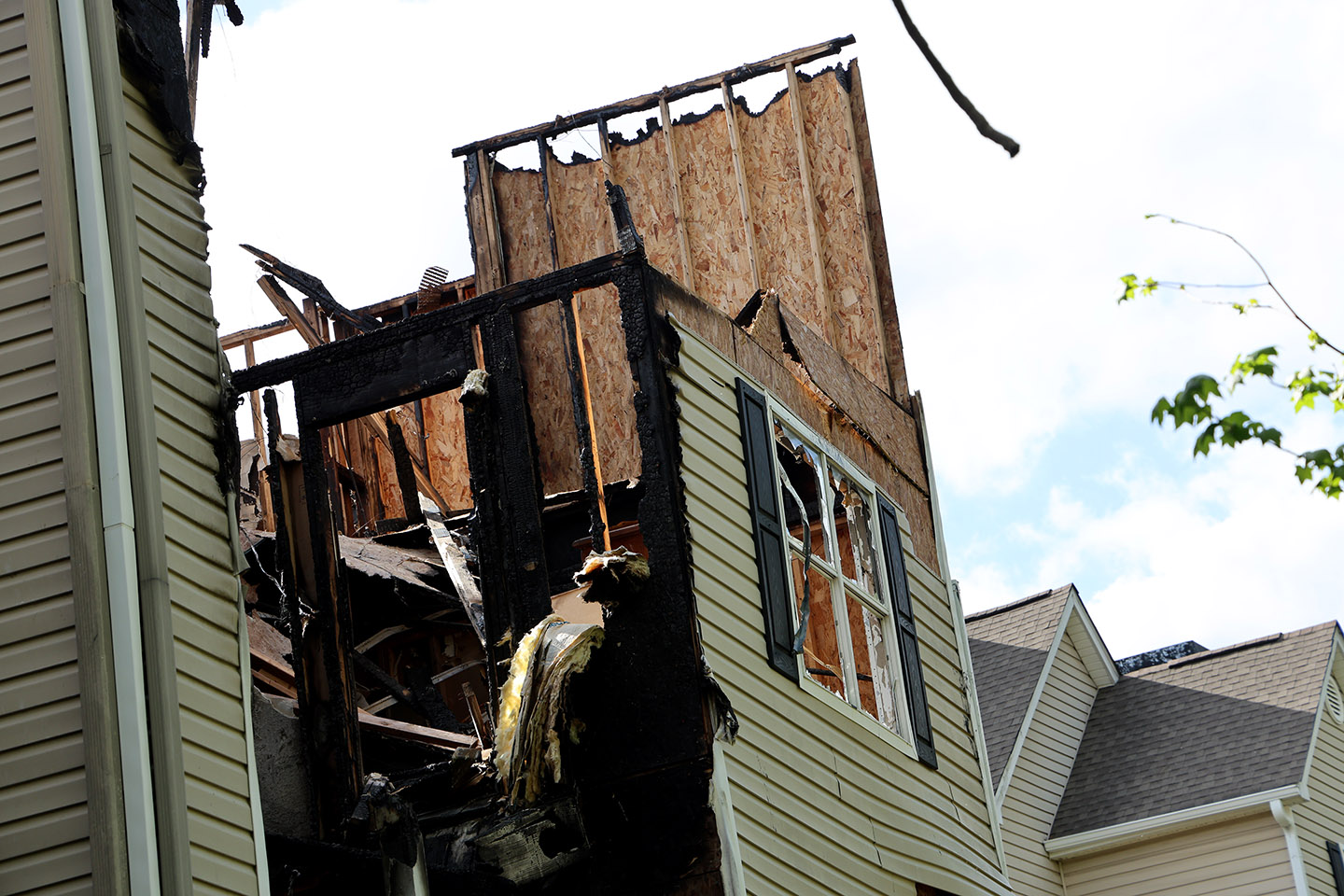
The Broad River Trace apartment complex remains damaged after a fire displaced 38 people Feb. 3. The back of the building on the upper floor is where the fire likely started, according Columbia-Richland Fire Department spokesman Michael DeSumma. The building is too damaged to be repaired and will have to be rebuilt, he said. Photo by Hailey Cunningham/The Carolina Reporter
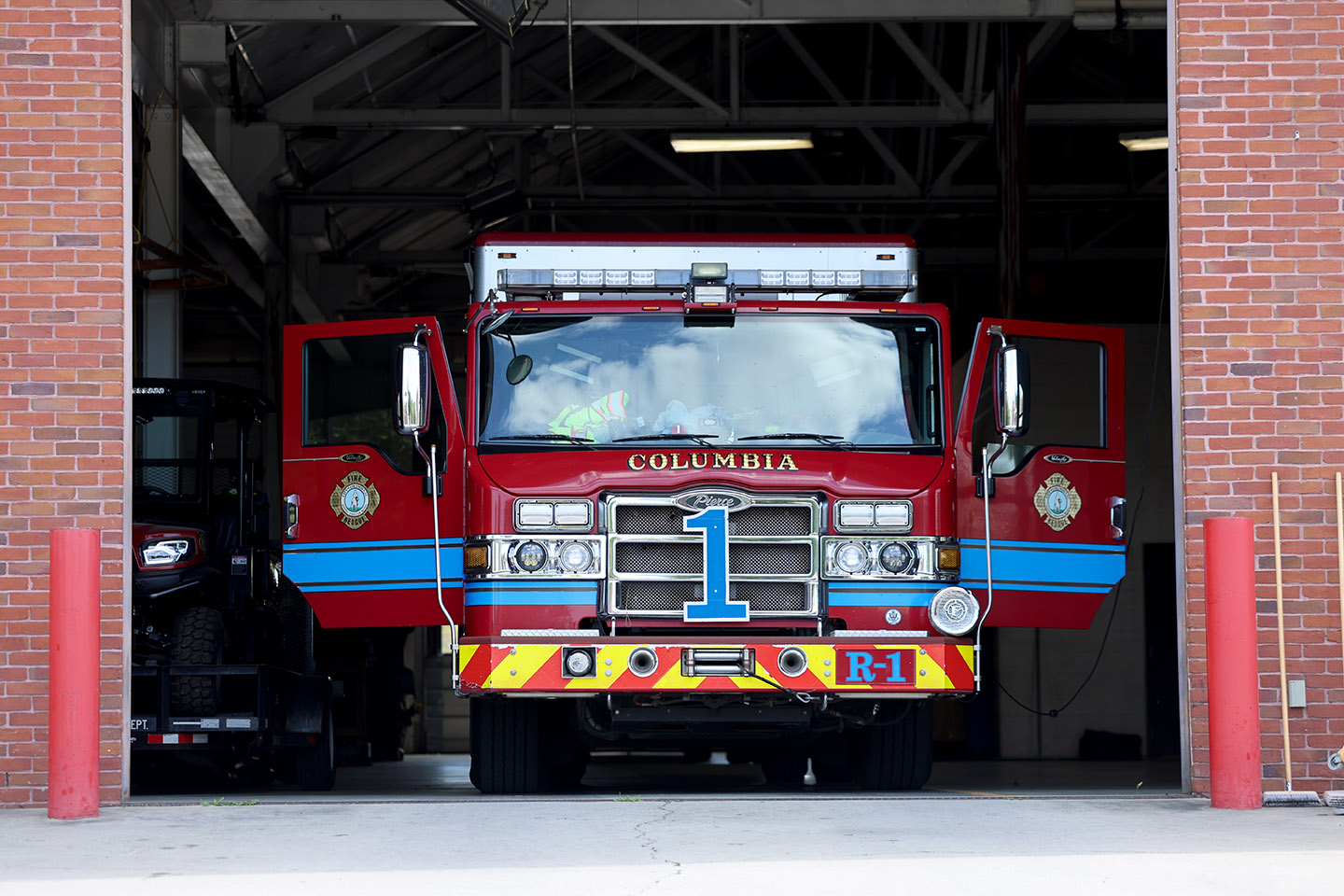
A Columbia Fire Department firetruck sits inside the headquarters’ garage. Photo by Hailey Cunningham/The Carolina Reporter
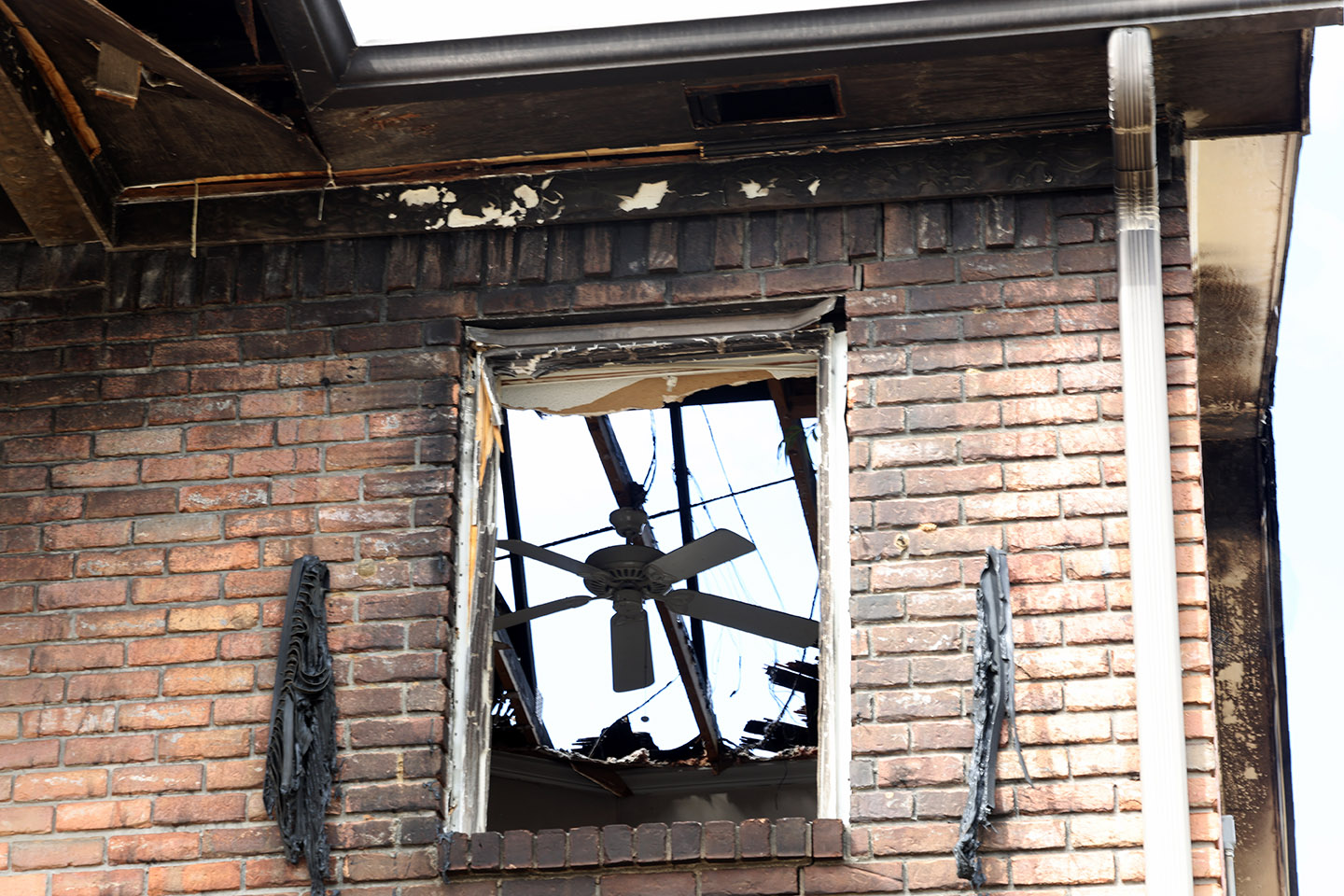
The Woodland Village apartment leasing office remains damaged after a fire on Feb. 10. Officials still do not know who or what caused the fire, but it has been considered suspicious due to the appearance of a forced entry. Photo by Hailey Cunningham/The Carolina Reporter
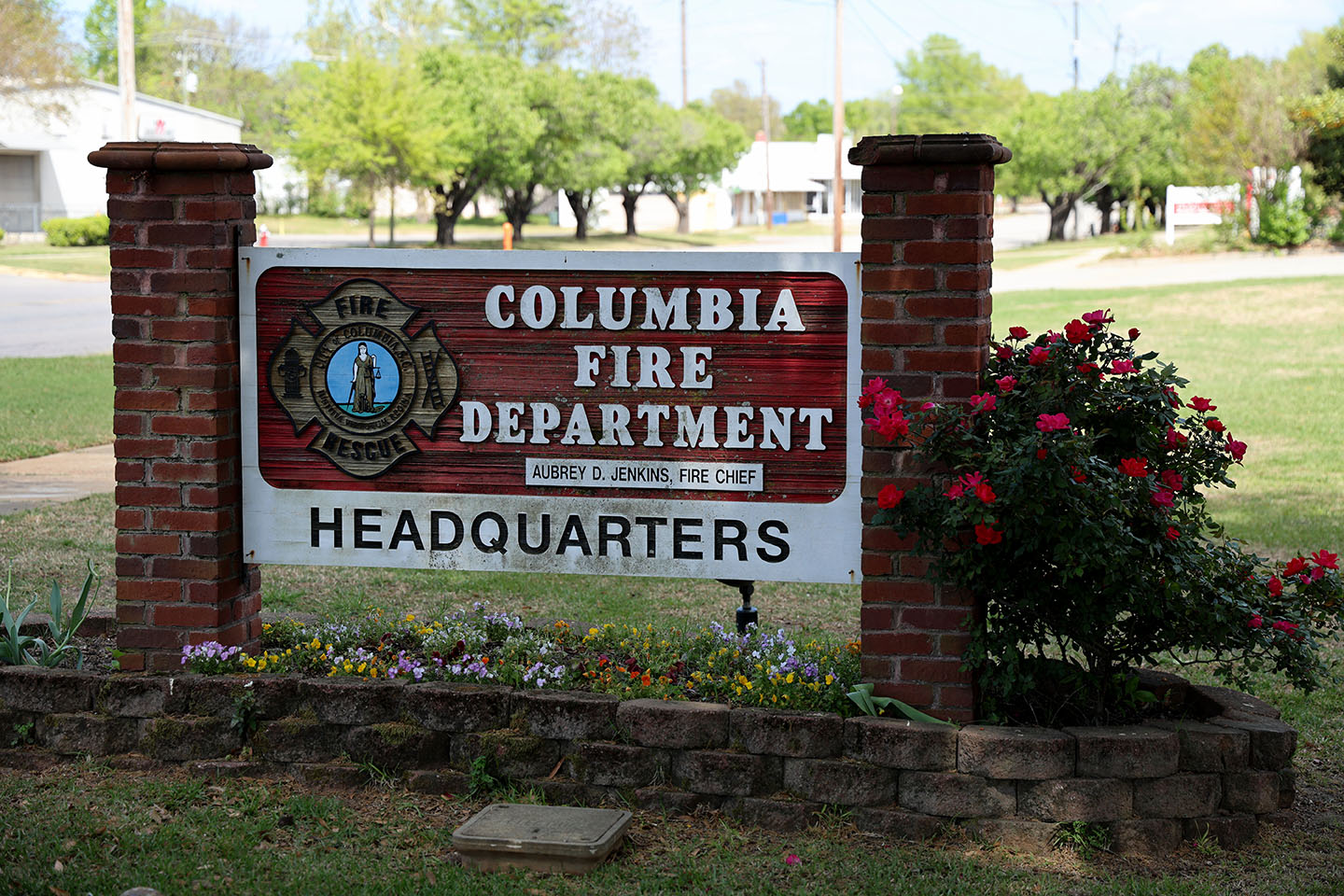
A sign marks the Columbia Fire Department Headquarters building on 1800 Laurel St. Photo by Hailey Cunningham/The Carolina Reporter