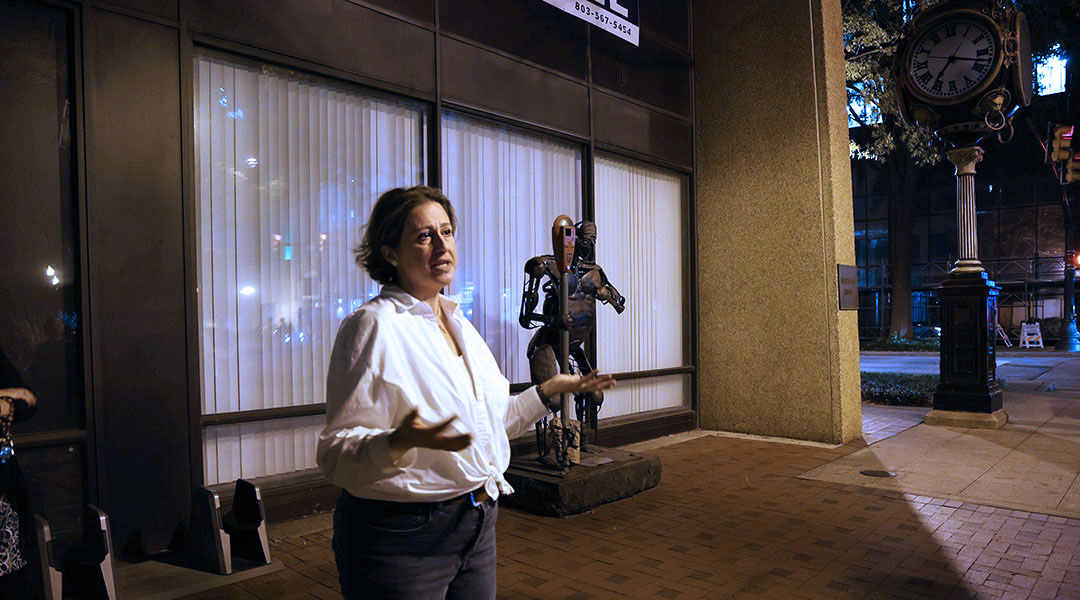
Pamela Zeljak speaks to public art walk participants in front of “Lovely Rita the Meter Maid.” The sculpture created by Matthew Kramer for the community art project “Change for Change.” Photo by Morgan Kozak/Carolina Reporter
Larissa Sands said her favorite piece of art on the Columbia Museum of Art’s walking tour of Main Street was “Magnolia on Main” by Maria DeFelice.
“It’s aesthetically beautiful,” Sands said. “But once you dive deeper into it, you understand she was trying to bridge the gap between art and the idea that multiple cultures blend together.”
The piece is just one of the many artworks in the Main Street District that highlight public art’s unique ability to intersect creativity with compassion.
The Columbia Museum of Art invited attendees to lace up their walking shoes for “Walking Tour: Public Art for a Cause,” an event that blended exhibition insight with an on-the-street exploration of how people engage with public art.
The event began inside the museum with a viewing of the current show, Keith Haring’s “Radiant Vision” exhibit, led by curator of education Glenna Barlow. Barlow introduced attendees to Haring’s instantly recognizable style and highlighted the artist’s lifelong commitment to social justice, public health advocacy and the belief that art should be accessible to all. His legacy served as the foundation for a deeper conversation about how art can function as activism both inside and outside museum walls.
From there, Pamela Zeljak guided the group into the Main Street District for a closer look at the city’s public art landscape. Zeljak is the public art administrator for One Columbia, a nonprofit that works with the City of Columbia. Each stop was selected for its engagement with social issues, illustrating how the city’s walls, corners and rooftops continue to use public space as a vehicle for collective reflection and action.
One of the tour’s most striking moments came when the group paused in front of the “Architecture of Strength,” a towering steel sculpture by artist Deedee Morrison. Zeljak encouraged attendees to shift their perspective to fully understand it.
“From this angle, you can see it’s meant to represent a woman,” Zeljak said. “But you can’t see that from every angle. You only catch it sometimes. That’s part of what makes public art so interesting: You have to move with it.”
The sculpture was created to stand symbolically in opposition to the South Carolina State House at Gervais Street, honoring the voices of women whose stories haven’t always been elevated.
Zeljak’s favorite sculpture on the Main Street District, “Lovely Rita the Meter Maid,” was created for the “Change for Change” program that raises money to benefit the Climate Protection Action Campaign.
“This shows you can make a small, you know, donation or a small action, towards the change that you want to see,” Zeljak said.
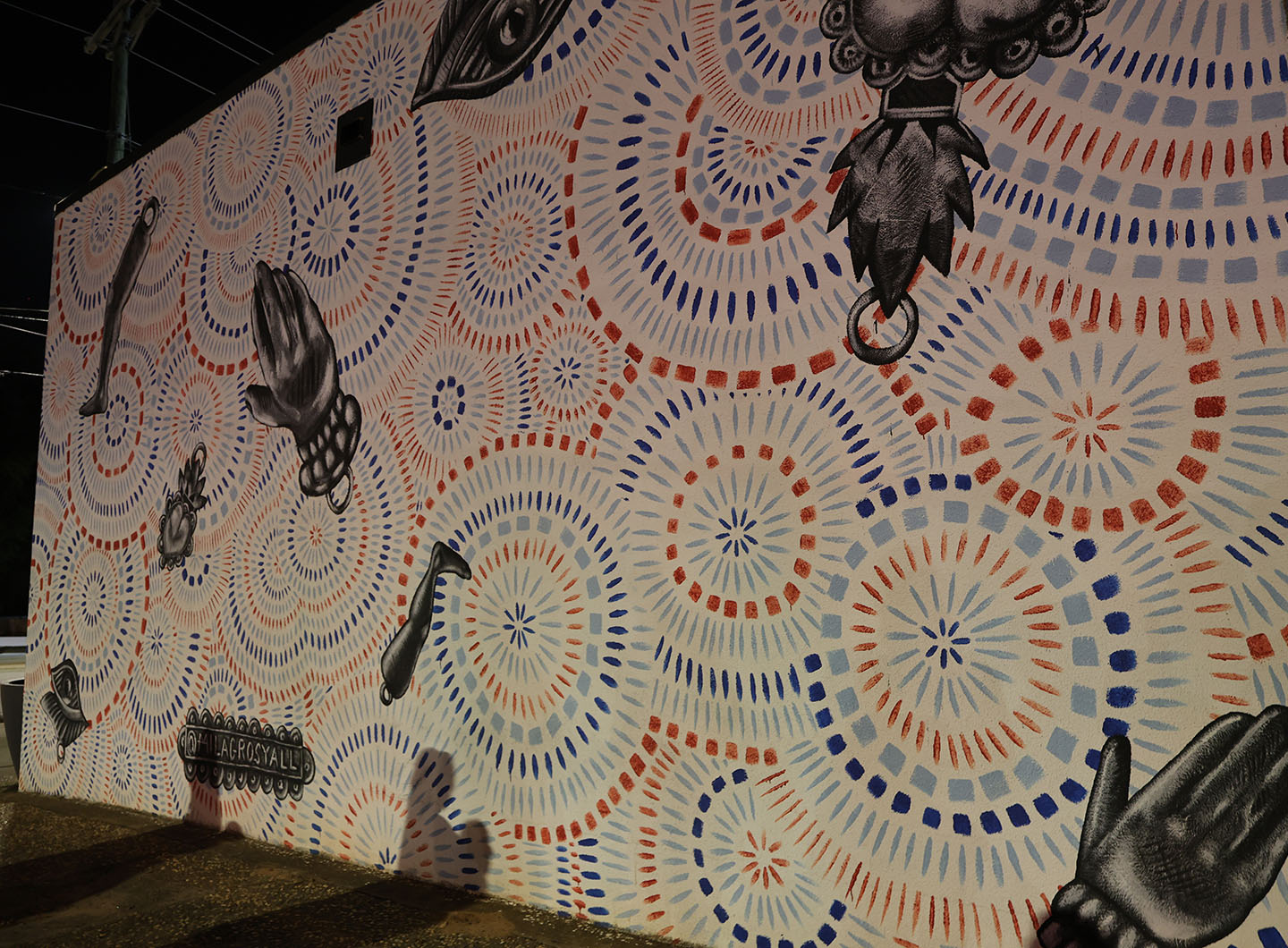
The “MILAGRO for Columbia” mural by the MILAGROS Collective covers the side of the Taylor Street Garage with painted offerings and symbolic imagery that honors the Latin community of Columbia. Photo by Morgan Kozak/Carolina Reporter
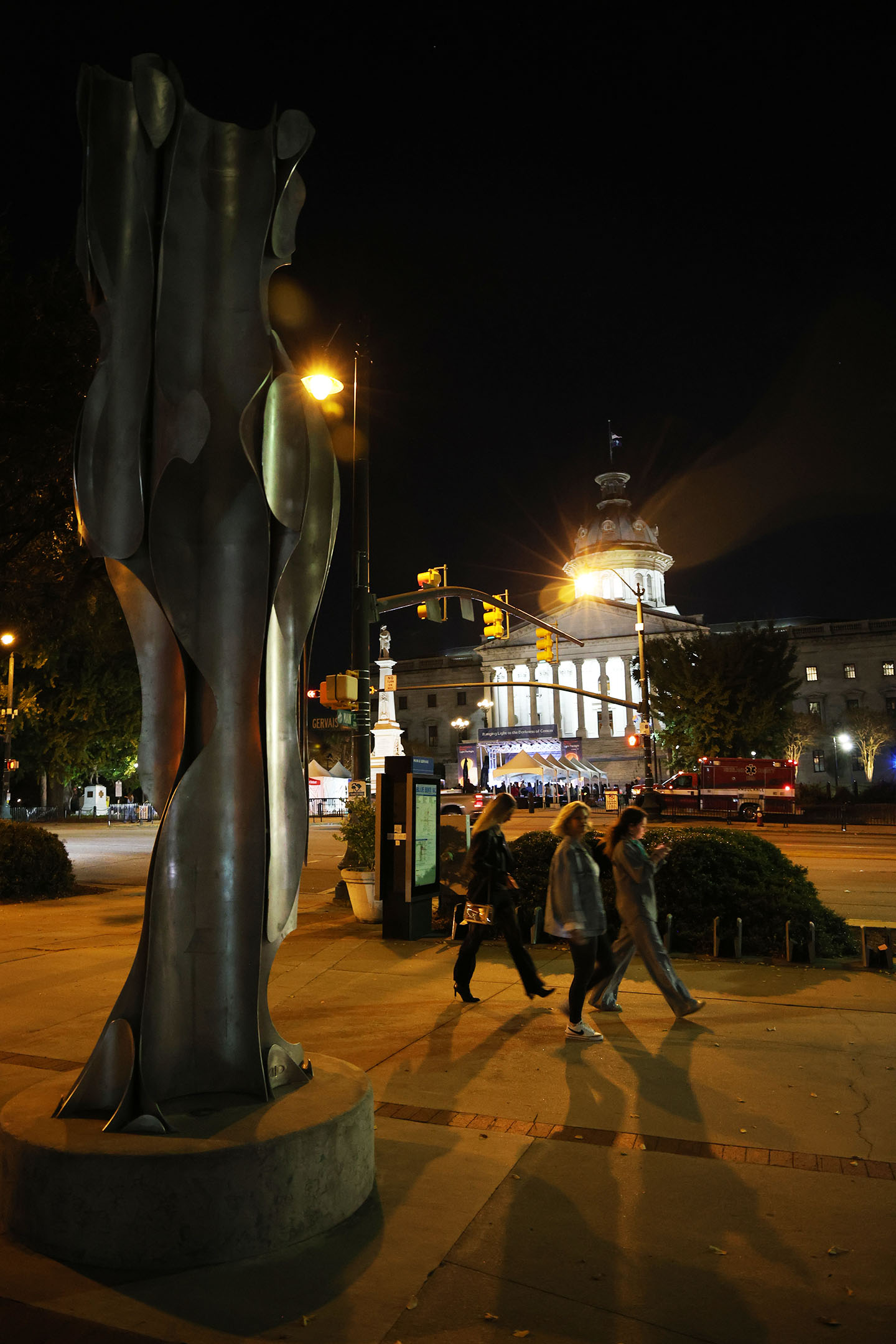
The 16-foot-tall “Architecture of Strength” monument by Deedee Morrison, commissioned by Columbia City of Women, highlights the ongoing underrepresentation of women in public spaces. It stands across Gervais Street from the South Carolina Statehouse. Photo by Morgan Kozak/Carolina Reporter
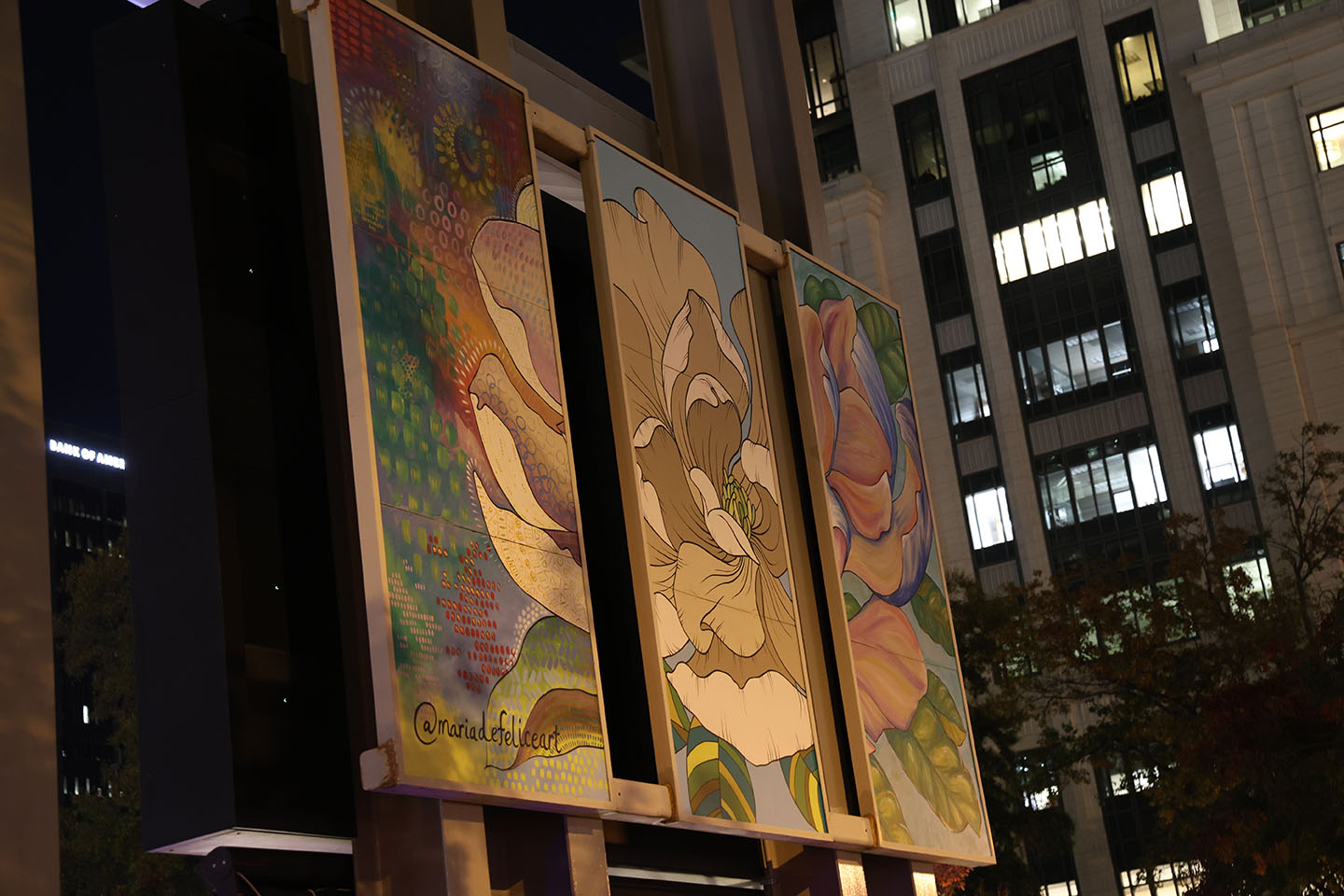
“Magnolia on Main,” created by Maria DeFelice, brings three large-scale floral panels to Main Street as a celebration of the Columbia community’s diversity. Photo by Morgan Kozak/Carolina Reporter