Gamecock track athlete Devan Crumpton chases down opposing athlete Dario Matau in the final heat of the men’s 400m at the University of South Carolina Invite on Feb. 21. Photo by Sofie Kurzawa/The Carolina Reporter
South Carolina lawmakers are coming to the defense of college athletes in the face of a new battle involving revenue sharing.
The S.C Senate voted 30-13 last month to approve an amendment to H. 4902. The amendment would exempt intercollegiate athletes’ names, images and likenesses contracts from public disclosure under the S.C Freedom of Information Act.
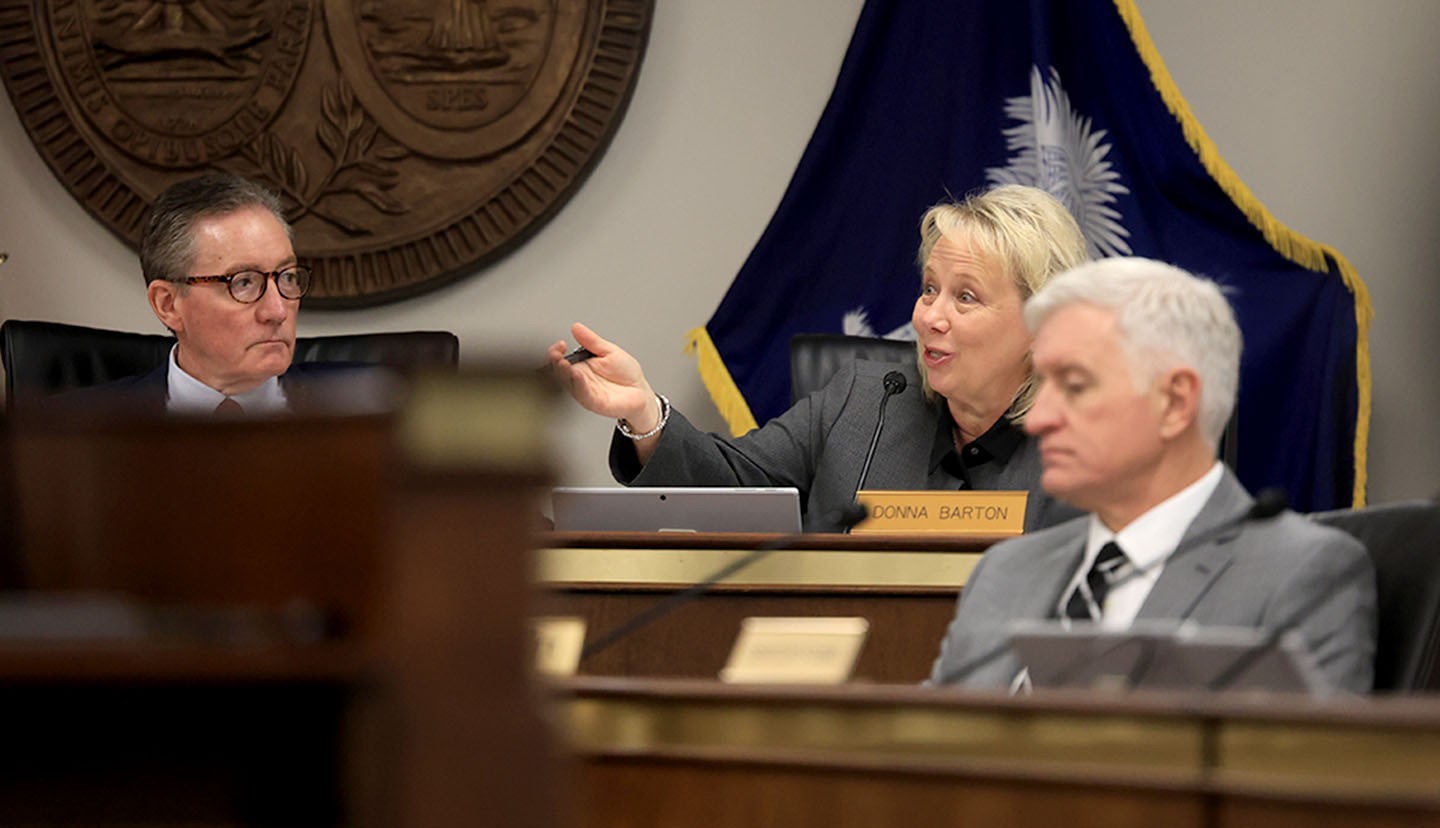
“The bill would amend the current statute to protect individual student privacy in the new realm of revenue sharing, while requiring the public institutions to disclose the aggregate amounts spent on revenue sharing to athletes,” said Donna Barton, research director of the Senate Committee on Education, in a meeting Feb.11.
The amendment was introduced following a recent lawsuit in which an S.C. resident sought an athlete’s NIL contract information from the University of South Carolina. The bill advanced from its first reading in the House to being referred to the Committee on Education in less than a week, signaling concern among lawmakers that an athlete’s private financial matters could soon be accessible to the public.
“If we don’t pass this bill and these contracts become public, and we’re the only state that allows that, we’re gonna have people, our constituents, are going to be howling at us to do something,” said Sen. Tom Young Jr., R-Aiken.
Prior to the bill’s introduction, South Carolina was one of the only states that had yet to revise their laws regarding the liberties of FOIA. No other state is currently allowing the disclosure of individual athletes’ contracts.
The fear of falling behind the rest of the country and becoming an outlier was a strong motive behind lawmakers voting in favor of the bill.
“This NIL industry, if you want to call it that, is in such flux that we’re trying to keep up with other states as the rules change almost monthly,” said committee chairman, Sen. Greg Hembree, R-Horry. “And it’s hard to get ahead of it. We’re just trying to react to it.”
On the other hand, the bill remains a controversial matter under the guise of maintaining transparency between the public and the public institutions in their state. Although the revenue-sharing money being given to athletes is laid out by the House v. NCAA federal court settlement, some think the public has the right to know how their state’s public institutions are operating and who, specifically, is receiving the money.
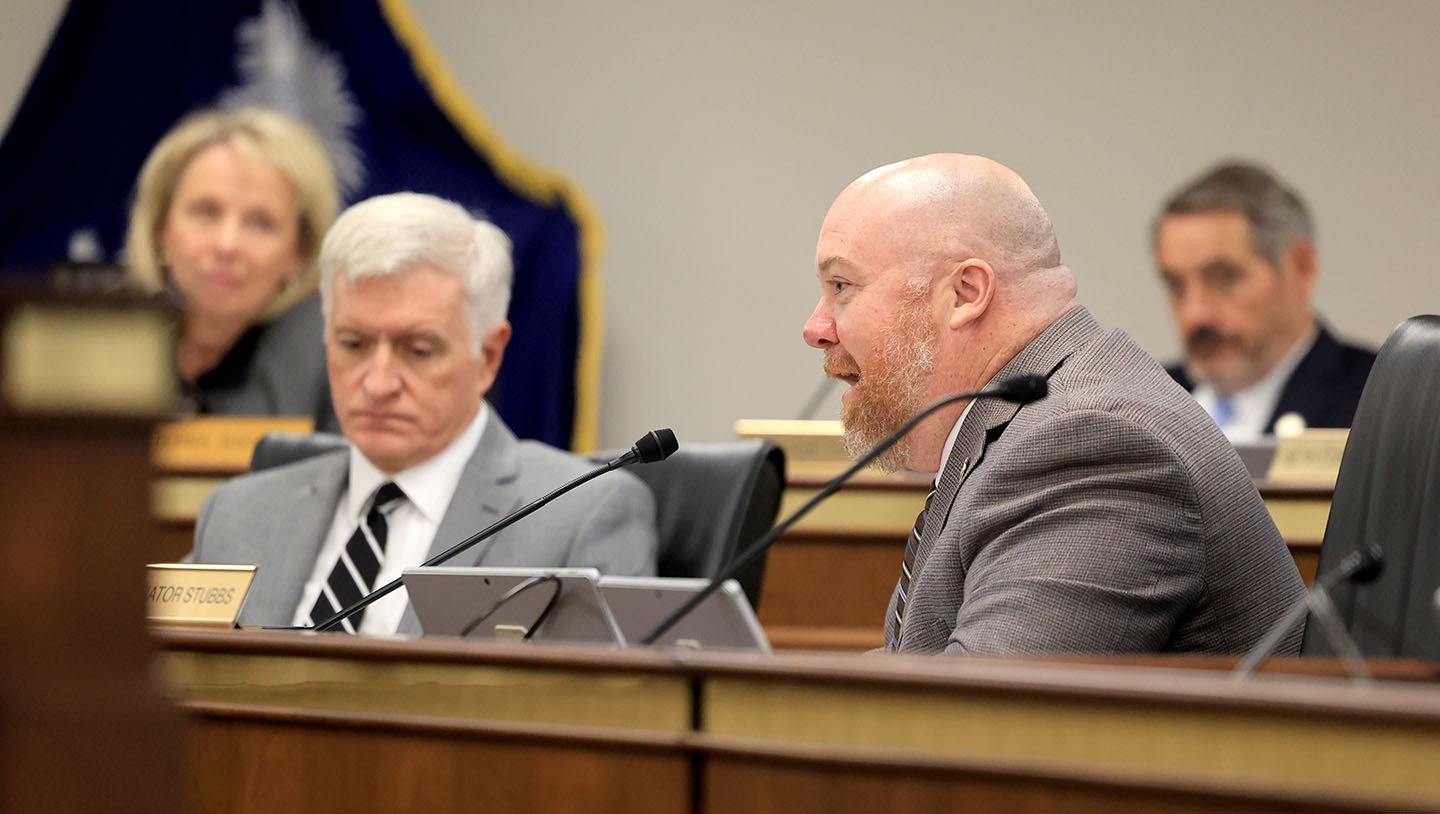
“This is problematic for me, and I understand the competitive disadvantage that we might put ourselves in,” said Sen.Everett Stubbs, R-York.
Stubbs, although vocal about his dislike for the bill, voted in favor of it in the committee meeting Feb.11. Two senators confirmed to have said “no” in the voice vote were Sen. Richard Cash, R-Anderson, and Sen. Shane Massey, R-Edgefield.
But Cash and Stubbs flipped their votes in the Senate floor vote on Wednesday. Cash voted in favor of it and Stubbs against it in a roll-call vote.
But even as debate continued and votes shifted on the floor, the commitment to maintaining players’ privacy and to keeping up with the ever-changing environment of college sports remained a priority.
“Nobody wants what they’re getting paid splashed all over the place. That’s your business,” Hembree said.