Produce sellers can practice selling their products with the South Carolina Department of Agriculture’s marketing team. Photo courtesy of SCDA/Carolina Reporter
The South Carolina Department of Health and Environmental Control is at its year-and-a-half mark of becoming two separate agencies.
Because of the separation, the Department of Agriculture has taken over restaurant inspections, called the Food Safety Transfer, from DHEC.
So, has the decision led to better, or worse food safety?
A deputy commissioner for the South Carolina Department of Agriculture, Derek Underwood, said better.
The agency already inspected food safety at plants and farms. It just needed to pick up restaurants, Underwood said. But there was more work, too, he said.
“We did a complete restructure,” Underwood said. “The biggest change organizational-wise is that we just centralized everything to make it more efficient and have a very direct structure where information could be (spread) directly to the inspector from the office of commissioner.”
Underwood said the regulations and laws are the same. But the inspection process also targets chronic violators, so they can’t keep paying fines and continuing to operate.
Underwood said there is a specific sheet of regulations inspectors follow that shows the different levels of violations and communicates to restaurants what happens during an inspection.
“We’ve been pretty good about that now,” Underwood said. “That’s one of our big things that I hang my hat on is the fact that we’ve really made outreach that I keep a part of our regulatory process.”
The agriculture department has an educational materials section on its website outlining what it takes to plan and operate a retail food establishment.
The state has about 2,000 more restaurants than there were in July 2024, when the agriculture department took over inspections, Underwood said. There are about 26,000 retail food establishments under the department’s oversight.
Underwood said the way the department inspects restaurants depends on what type they are.
“It’s based on the actual food they prepare when you mention, you know, the different critical or the different risk levels,” Underwood said. “Those are all based on what a restaurant has on their menu and how they’re preparing, cooking, storing, cooling, reheating and re-serving” pre-prepared items.
Underwood said since the transition, the department has been more firm on consent orders that identify things that must be addressed after an inspection.
“This past year, in 2025, we have had over 1,000,” Underwood said. “We’ve suspended I want to say 13, maybe 14 (restaurants’ operating licenses). But three or four years prior to that, there were zero suspensions. So if somebody’s a chronic violator, that’s who we’re targeting now.”
The department lays out a specific food grade map that shows where the department did inspections and what grade they gave in an inspection.
The department has been meticulous about repeat offenders than it already had been, Underwood said.
Little things are important as well. One example is nail polish.
The Bojangles on Clemson Road received a “C” grade for multiple violations, including having an employee with ungloved polished nails in the kitchen, as reported by The State newspaper.
Blue Fin, in the Village at Sandhill, was given a “C,” also for multiple violations. That restaurant, too, was cited for an employee having polished nails and no gloves.
Underwood said the transition was fairly easy for the agriculture department.
“So the easiest thing was that the food safety mindset and culture was already established at the Department of Agriculture,” Underwood said. “It wasn’t like anything new we had to learn. That was a pretty easy fit, to make us the food safety agency in the state of South Carolina.”
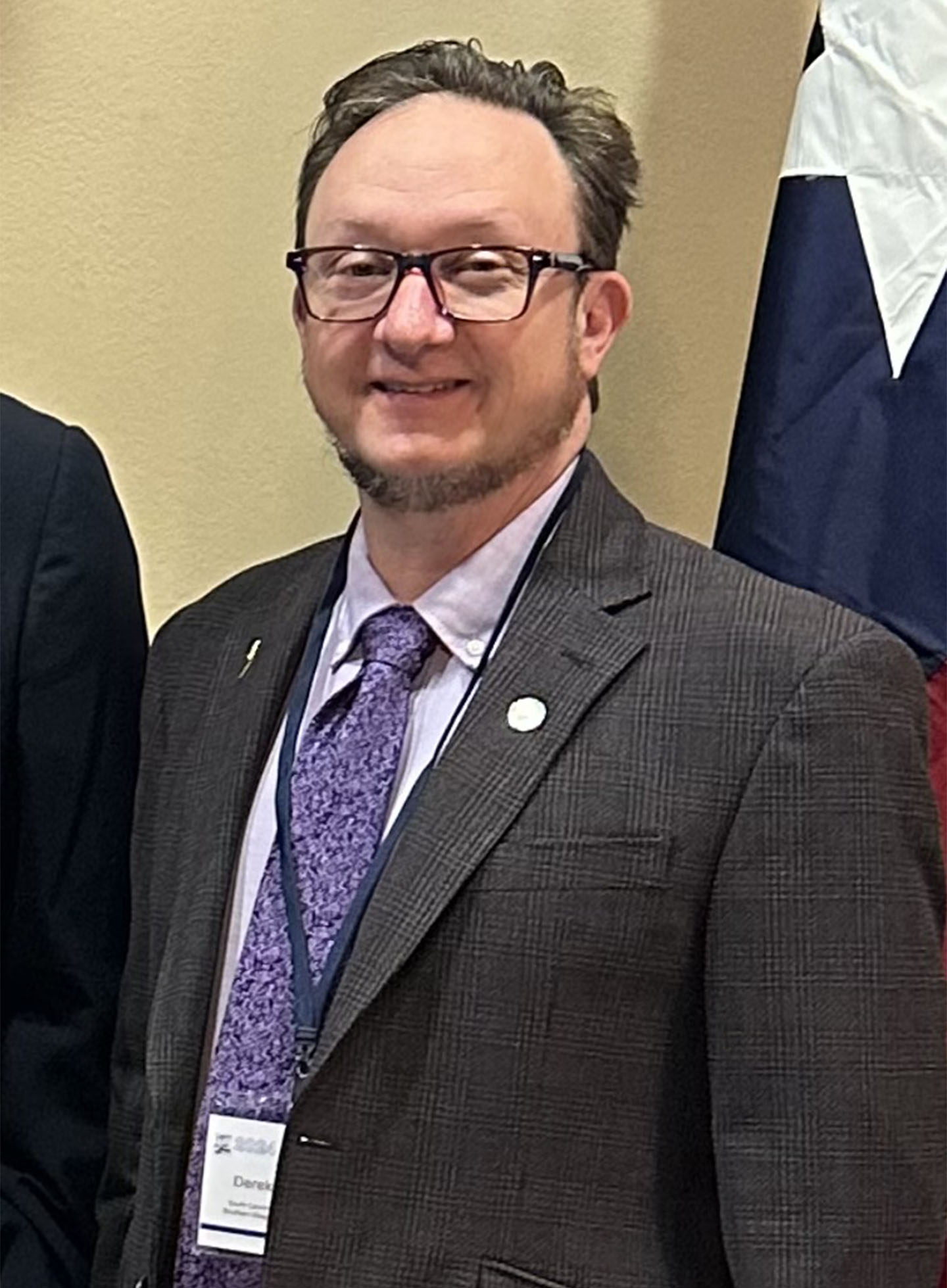
Derek Underwood is an Agriculture Department deputy commissioner who handles retail food inspection operations. Photo courtesy of Derek Underwood/Carolina Reporter
The department handles safety in retail food establishments as well as farms and plants that help provide food. Photo courtesy of SCDA/Carolina Reporter