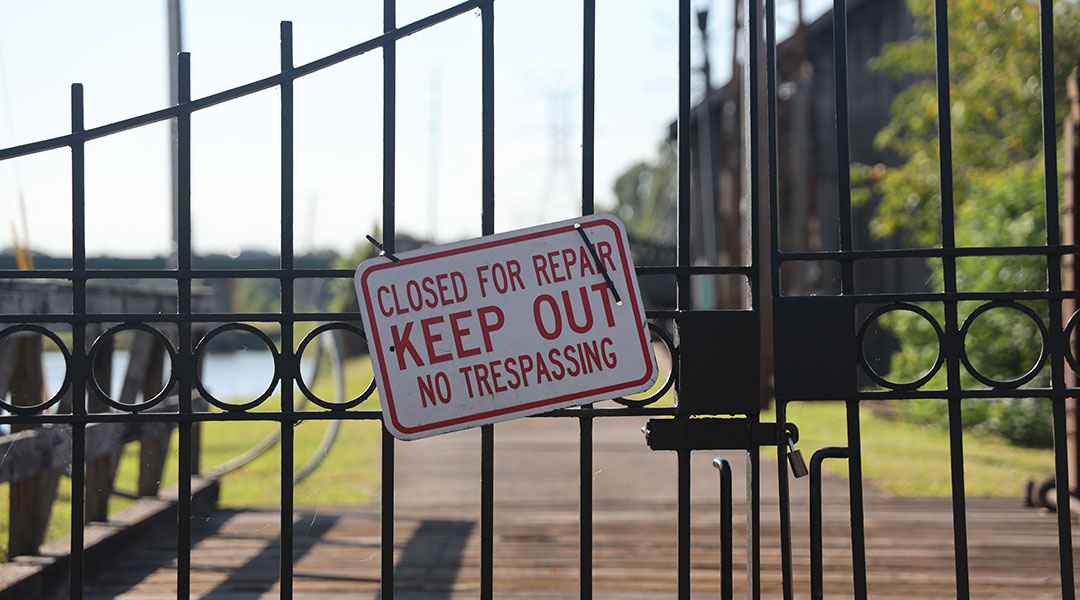
A sign marks restricted access at Riverfront Park on Sept. 9, 2025. Photo by Miles Shea/Carolina Reporter
Clint Shealy remembers where he was on the night of Oct. 3, 2015, just six weeks after he became a city employee.
He had watched a football game, then went to bed during a heavy rain.
“It was still raining that Sunday morning, and I remember getting up and telling my wife that I would meet her at church,” Shealy said. “I didn’t get home until the next Saturday.”
The Midlands was devastated when the historic rainfall of more than 20 inches fell over five days. It broke dams, causing flooding and damaging or destroying thousands of homes, businesses and schools. Nine people in the Midlands and 19 across the state were killed. Thousands were left without safe drinking water when the earthen canal that carried downtown Columbia’s fresh water supply ruptured.
Experts and state officials referred to the storm as a 1-in-1000-year event.
State Sen. Russell Ott said the tragic events brought attention to key weaknesses in Columbia’s water and disaster prevention systems.
“We’re still seeing the impact of it,” said Ott, a Democrat from Calhoun County. “It certainly shined the spotlight on the fact we had not been paying attention like we should’ve.”
Shealy, a Columbia assistant city manager overseeing Columbia Water, understands people’s frustration with 10 years of extended delays in repairing the canal. But he said unavoidable financial and logistical hurdles were the culprit. With repairs estimated to be tens of millions of dollars, the city had to wait for help from the federal government.
“It’s a really good question, why in the world have we not already done this,” Shealy said. “We’re talking about $150 million (in) work that’s happening right here. To ask our customers, our ratepayers, our citizens to bear that financial brunt through their rates is not fair. It’s not affordable.”
Shealy said the $150 million is split between three large projects: replacement of the canal’s headgates, repair of the embankment and the Resilient Water Supply Project, which will make the city less dependent on canal water.
Portions of Riverfront Park have been closed because of the construction.
Shealy said all three are vital in accomplishing the city’s goals of long-term sustainability and protection against future disasters.
“I’m calling it a three-legged stool of resistance,” Shealy said. “We learned something in 2015 that had never happened. But now we knew that could happen. It could happen again.”
Shealy said the headgate replacement and embankment repair projects will fix breaches and strengthen the canal for the future. The resilient water supply project will move the water treatment system to elevated ground to more effectively protect that part of the city’s water supply from flooding.
“That project makes us much stronger than we were in 2015,” Shealy said.
Missy Caughman, another assistant city manager, has been working on repair agreements with agencies such as the Federal Emergency Management Agency (FEMA) and the South Carolina Emergency Management Division for several years.
“The state was a very good partner for us,” Caughman said. “They helped advocate for us and guide us.”
Now that the city has acquired the funding and approval needed to start these projects, the bid for the canal’s repair will take place later this year.
Shealy did note that the federal grant program that’s paying for the resilient water supply move was recently cut. But he said the funds already had been allocated, and he saw no threat of them being revoked.
“Had we not started construction in January, had we waited, we probably would’ve lost 32 and a-half million dollars,” Shealy said. “When we make that first draw and get those federal dollars in the bank, I’ll feel a lot better.”
In addition to the canal-based projects, Ott said he has been working on dam repairs across the state for years, with disputed ownership and poor maintenance leading to danger and delays.
“We hadn’t taken a look, I think, at dam safety in a long time,” Ott said. The Department of Transportation “is responsible for fixing roads. But they’re not responsible for the dams. And so a lot of times that is what the delay is in a lot of these projects actually are, trying to get to the bottom of all that.”
Caughman said the city has learned a lot in the past decade, as the region has been tested with numerous storms and floods.
“Miscommunication is as harmful as no communication,” Caughman said. “We are trying to make sure that we are ahead of getting good information out to the public.”
Dean Ellison, who has owned Gentleman’s Closet in Five Points for 35 years, said he feels Columbia is more prepared for floods now than it ever has been.
“There’s no question,” Ellison said.
Gentleman’s Closet’s design reflects the threat of flooding. Carpets have been switched out for tile, and no merchandise sits on the floor.
Ott said that while there hasn’t been an event of the level of the 2015 floods since then, flooding remains a serious threat to South Carolinians.
“Just last year we had isolated events where we’ve had massive flooding,” Ott said. “So I think it’s going to continue to happen.”
Shealy said he sees the projects as the culmination of years of work that will mark a new, better era for Columbia’s water system and the city’s ability to prevent similar disasters.
“We’re not where we want to be,” Shealy said. “We can say confidently that we’re better than we were.”
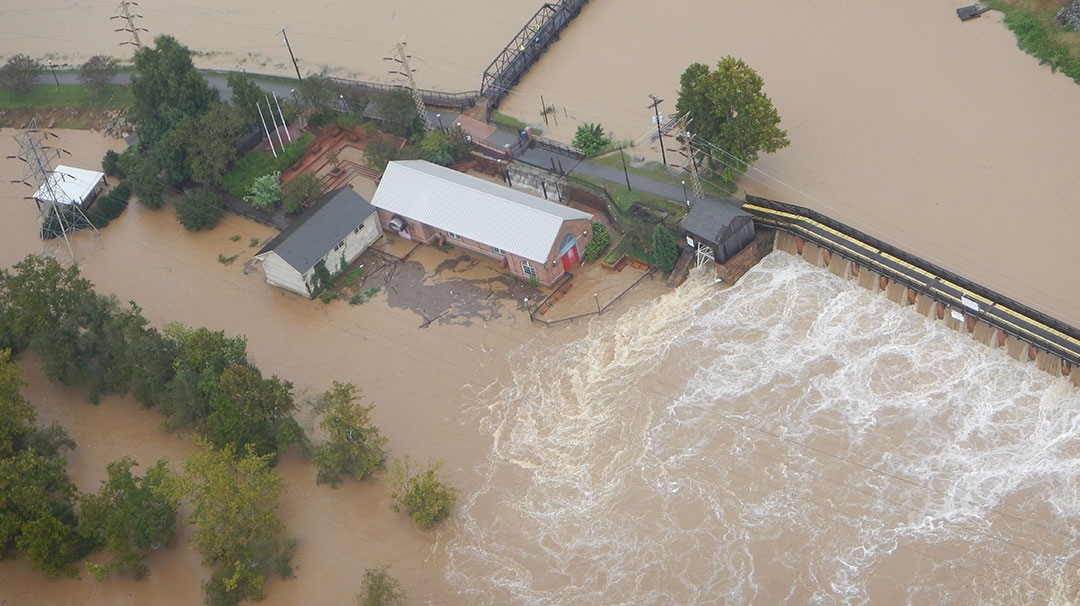
The Columbia Canal, a source of drinking water downtown, flooded in the aftermath of the historic 2015 rainfall. File photograph/City of Columbia/Carolina Reporter
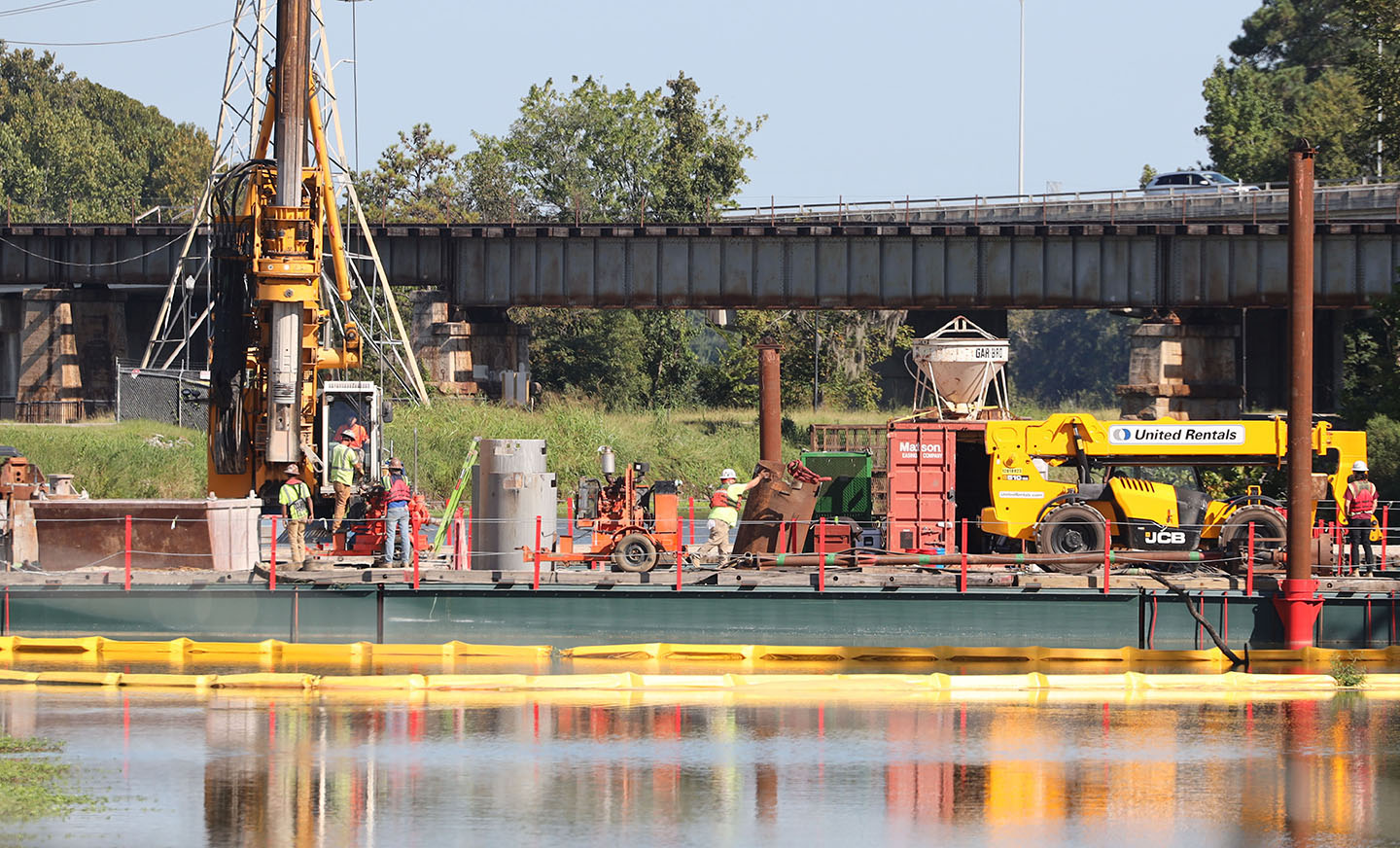
Ongoing construction, which caused the temporary closure of parts of Riverfront Park, continues to build a resilient water supply. Photo by Miles Shea/Carolina Reporter
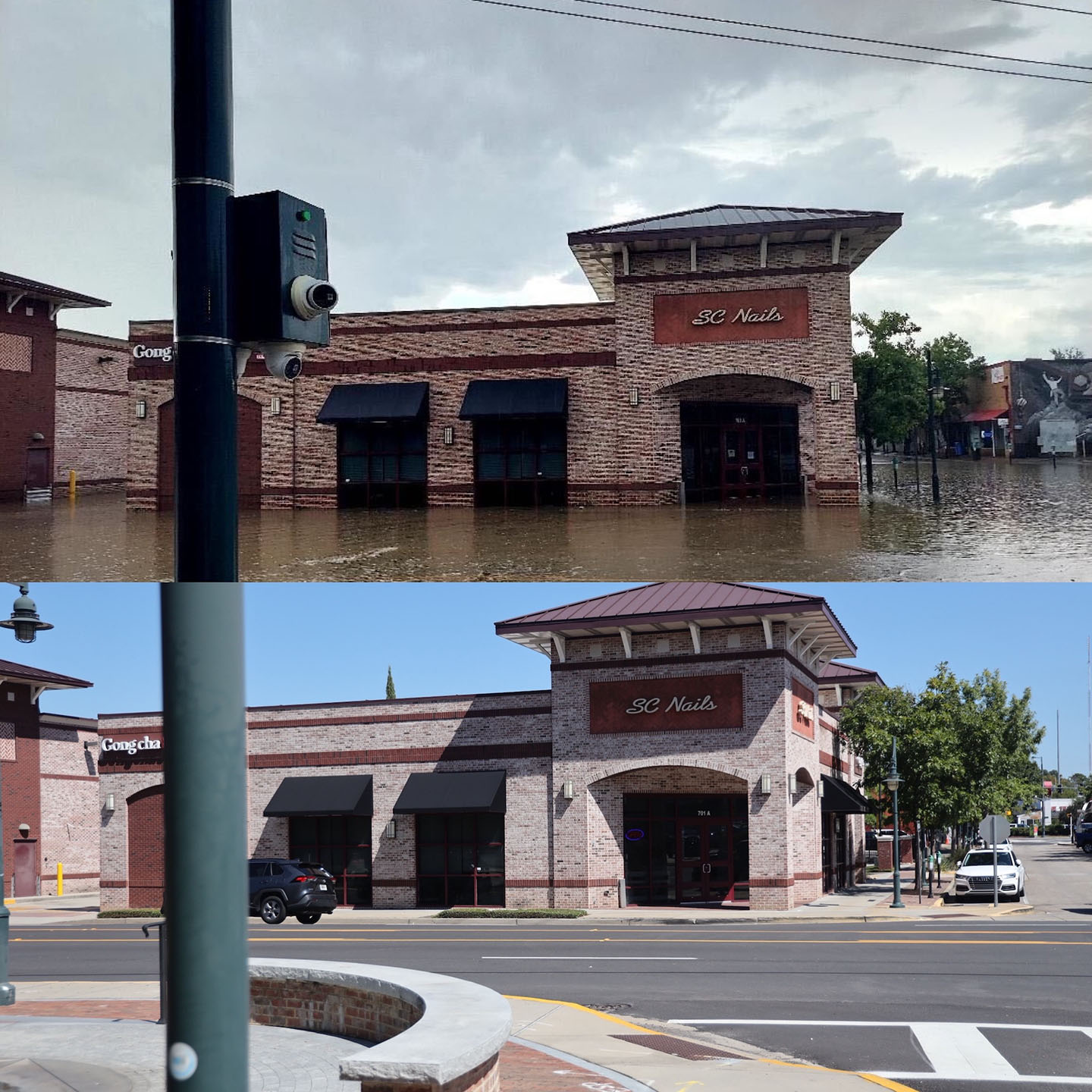
A comparison of SC Nails in Five Points in July 2022, after heavy flooding, and September 2025. Photos by Miles Shea and courtesy of Post and Courier
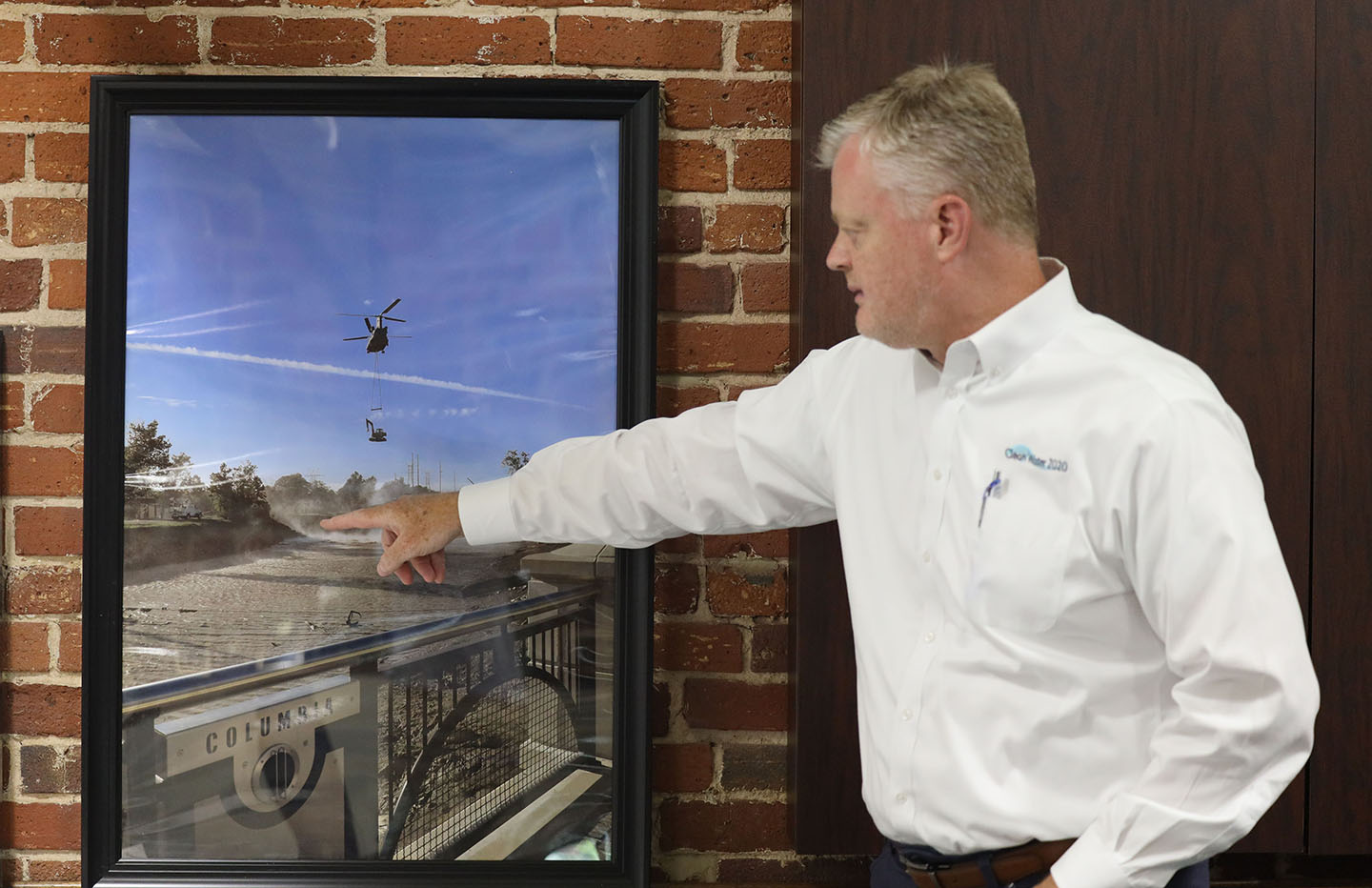
Assistant City Manager Clint Shealy reviews efforts to improve Columbia Water Systems. Photo by Giovanni Cusatis/Carolina Reporter
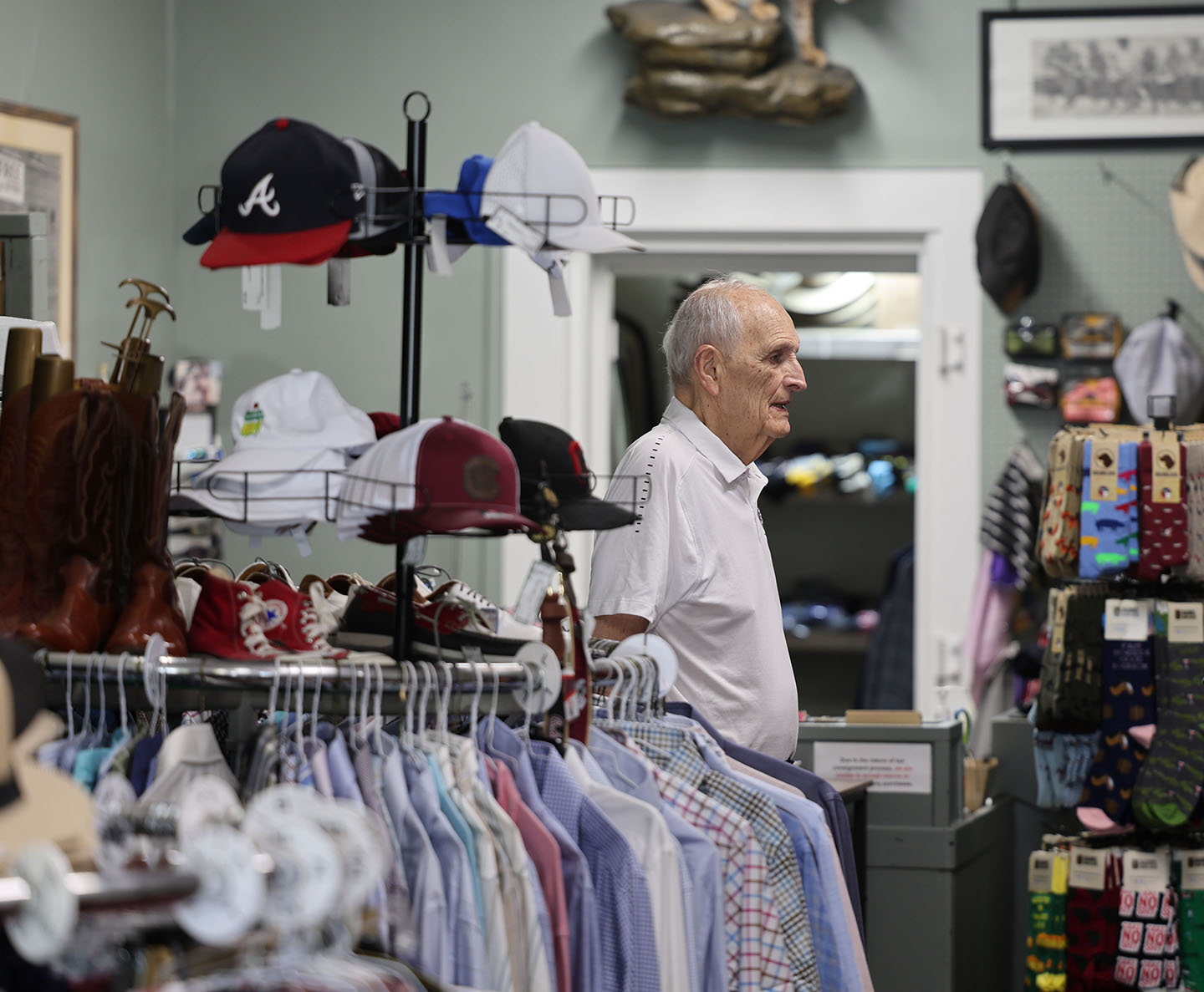
Gentlemen’s Closet owner Dean Ellison walks around his Five Points store. Photo by Giovanni Cusatis/Carolina Reporter

Giovanni Cusatis
Cusatis is a junior multi-media journalism major at the University of South Carolina. He is passionate about writing and reporting. He also is a violinist in the USC Symphony Orchestra.

Miles Shea
Shea is a junior journalism major at the University of South Carolina who is from Columbia. He is an aspiring reporter and writes for the Daily Gamecock, USC’s independent student newspaper.