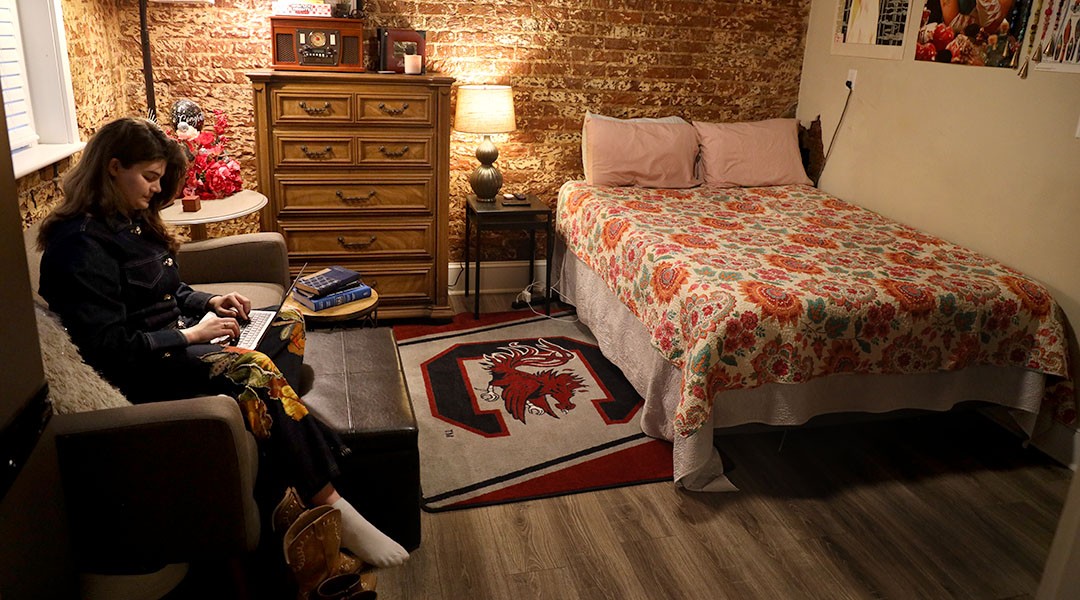
Kylee Strickfaden, a 2025 University of South Carolina graduate and a local public relations professional, works on her laptop in a $1,200-a-month apartment, which she compared to a basement. Photo by Miles Shea/The Carolina Reporter
No, no and no.
Whether you ask a recent graduate, a developer or the mayor, that’s the response you’ll get to the question of whether Columbia has a sufficient supply of market-rate, affordable housing in its downtown districts.
Spring 2025 University of South Carolina graduate Marley Bassett and her boyfriend moved into the Canalside Lofts on Taylor Street after years of living in student housing at the Roost complex in Arthurtown. Having gotten a job at WIS news, Bassett said she needed a downtown space to have a reasonable commute to work. Rent-wise, it met her expectations. Quality has been a different story.
“I feel like we pay what’s normal,” Bassett said. “I don’t feel like our 700-square-foot, one-bedroom apartment is worth $1,600 a month.”
USC graduate and public relations professional Kylee Strickfaden, who graduated in December, said she had seen other young professionals feeling pushed out of the city, by both the housing and the job market.
“I got very fortunate to be working on Main Street,” Strickfaden said. “A lot of people move outside of Columbia for business opportunity, because the city doesn’t have necessarily the businesses that we want to start off in. That’s why cities like Charleston and Greenville are pulling young professionals out of the Capital City.”
Bassett said she thinks new, large student housing projects such as Gateway 737, near Colonial Life Arena, and the nearby Verve, are not what the city needs to take the next step in its development.
“There’s nothing left for people who aren’t students and who don’t want to pay $2,000 for a one-bedroom,” Bassett said. “If you’re going to build more housing in Columbia, you need to make it open for people besides students.”
Student surplus
With USC’s continuous record-breaking growth in enrollment, surpassing 40,000 students last year, and a lack of campus housing for non-first year students, Columbia has been a prime market for new student housing developments.
The Hub, situated in the center of the Main Street District, the Hub, operated by Core Spaces, is one of the area’s largest apartment developments with 848 beds. It is entirely occupied by students.
This Fall, another luxury student apartment development, Verve Columbia, will open. The complex at the corner of Blossom and Huger Street, will offer 695 beds.
Mayor Daniel Rickenmann said part of the problem with balancing student and young professional developments is a lack of new on-campus housing to accommodate USC’s larger student body.
Though some nearby apartments, such as Cornell Arms, are billed as mixed-use for both students and young professionals, Rickenmann said these kinds of complexes often become dominated by the former group.
“When somebody says it’s a mix, it really is focused on the students,” Rickenmann said. “What we need is more market-rate at every level.”
Even with plentiful supply, Spring 2025 USC graduate Kyle Brantley said his off-campus, student housing experience often felt like he was being taken advantage of financially.
“They decided to raise rent not one, not twice, but three times” in three years, Brantley said.
March on Main
Main Street District President and CEO Matt Kennell has been at that job for 25 years.
He has worked to kickstart renovation and revitalization projects downtown, along with attracting new developments.
Since Kennell started, he said, things have changed.
“There was virtually nobody living in downtown, and no students at all,” Kennell said. “We really, I believe, have turned it into a destination.”
With events such as Soda City and cultural attractions such as the Columbia Museum of Art, Kennell said, Main Street is perfect for, and benefits from, a student presence. And it keeps those students from moving into areas where they’re less wanted.
“It brings new people, new shoppers and new energy to the area,” Kennell said. “By having the students in student housing, it kind of lessens the demand on some of the downtown neighborhoods.”
But Kennell did say there was a growing need for balance. He said there were five 200-300-unit, market-rate projects in development downtown that target young professionals.
Core Space’s planned oLiv Columbia is also under construction. It’s planned as a 2,350-bed complex that aims to avoid the typical pitfalls of mixed-use housing by splitting student and young professional tenants in separate towers.
Spring 2024 USC graduate Grayson Miller works on Main Street, but lives in a house in the Five Points area. Miller said even if her $875-a-month house doesn’t have the amenities of a $1000-dollar-plus Main Street apartment, the savings in rent make up the difference.
Miller said she considers her area, Five Points, part of the larger downtown, and living away from Main Street doesn’t make the city any less accessible.
“The people I see on a regular basis also live down here,” Miller said. “Anything I go to regularly is within a 10-minute commute.”
A city with potential
Brantley said solving the city’s lack of affordable housing requires intentional, decisive action from its leaders.
“I think it’s time for local government to have a backbone,” Brantley said. “Realize that the way things are looking, the way, how, rent is skyrocketing.”
Rickenmann said the city is working with developers and lifting zoning restrictions and possibly seeking legislation to create new tax incentives.
“The one thing we want is quality product,” Rickenmann said. “Does that involve us working on infrastructure with them? Is that helping them get a tax break so that there’s an incentive for them to build that product there? We’re not as competitive as other cities (job-wise), so we have to do a lot of different things to attract those folks.”
Kennell said he envisions the ideal future of downtown as a more unified place, with Bull Street, Main Street, the Vista, South Main and Five Points feeling connected.
“In the past, those areas have all operated in silos, and people don’t really see us as having a great downtown as they would maybe a Charleston, Greenville or Charlotte,” Kennell said. “My vision is, 10 years from now, they see downtown as a much bigger destination than it is today.”
Some projects already have come to fruition. In November, the city completed Finlay Park’s revitalization. A weekly concert series at the 18-acre park began last month and will continue through Oct. 30.
In December, Gather COLA, a large food hall, opened in the Bull Street District.
Bassett said Columbia’s continued development is exactly what draws her to the city.
“There’s always something going on – whether it’s a restaurant, a new event, a new festival or a new business,” Bassett said.
Strickfaden said Columbia’s culture is strong, but less apparent to newcomers compared to larger cities like her native Charlotte. She said the city has extensive room to grow, as long as people work to realize its potential.
“I think people need to give Columbia a chance,” Strickfaden said. “If you want to start a restaurant, you want to start a business, this is a good place to do that. And I think that (the) more people that are willing to take the chance to do that, our city is going to become even better.”
FINDINGS
There’s not enough affordable housing for young professionals downtown, all agree.
City officials are trying to work though a solution with new zoning laws and, possibly, tax incentives.
Residents say they want to stay in Columbia, that it’s a city with great potential to grow.
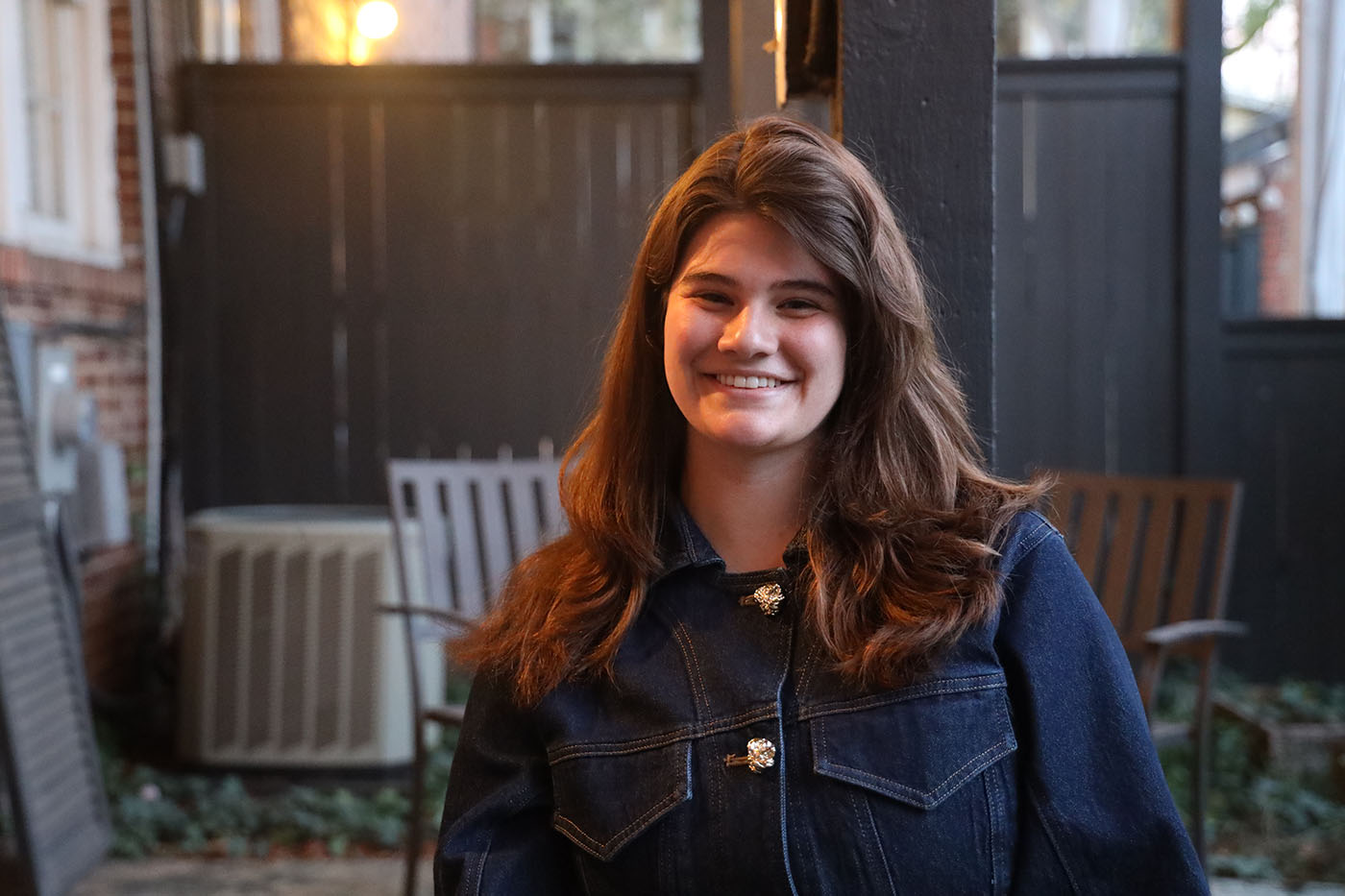
Strickfaden commutes from Henderson Street to her office on Main Street. Photo by Miles Shea/The Carolina Reporter
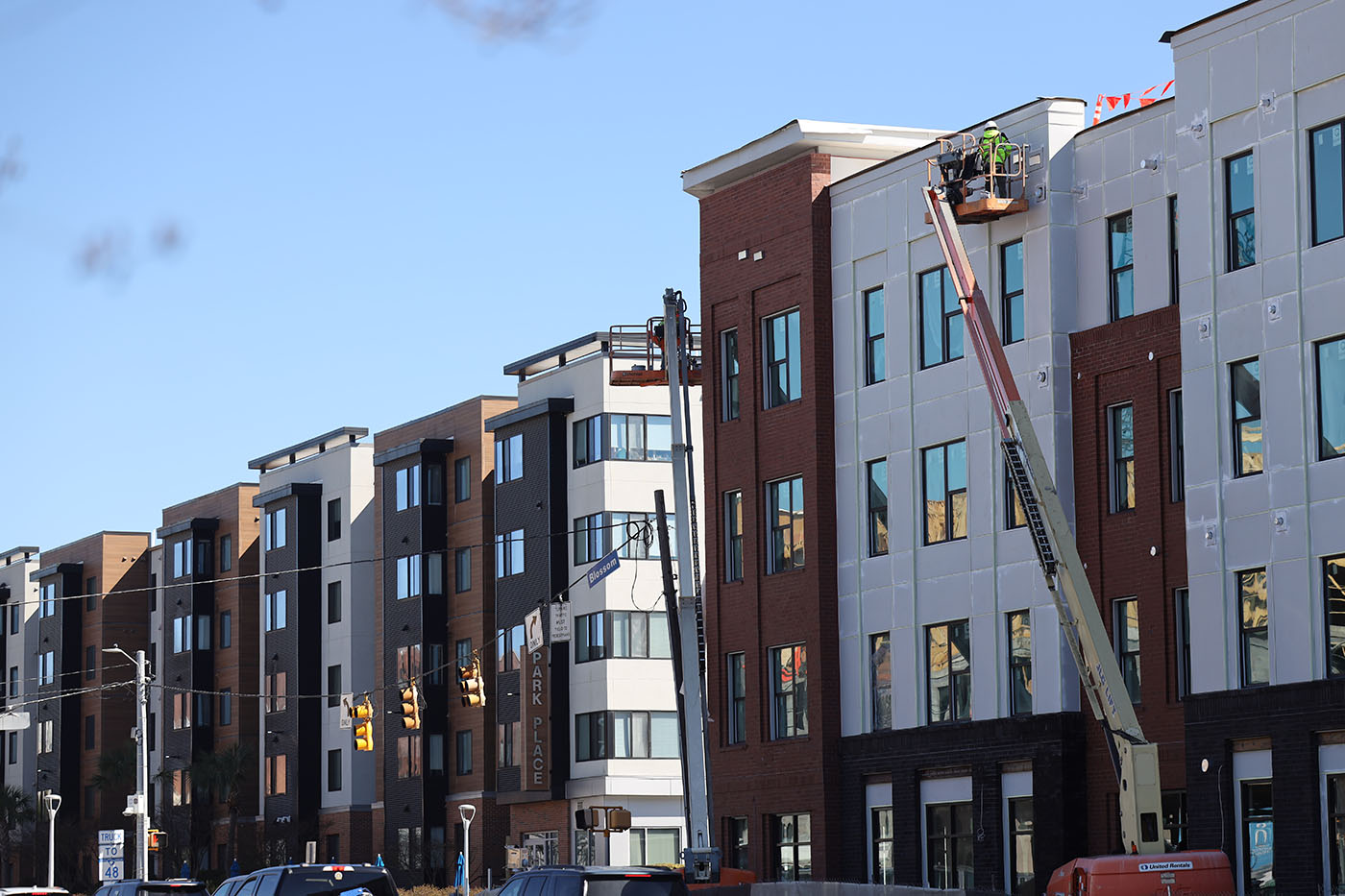
Construction continues on Verve Columbia, a luxury student housing development set to open in fall 2026 near USC’s Founders Park and the Congaree River. Photo by Miles Shea/The Carolina Reporter
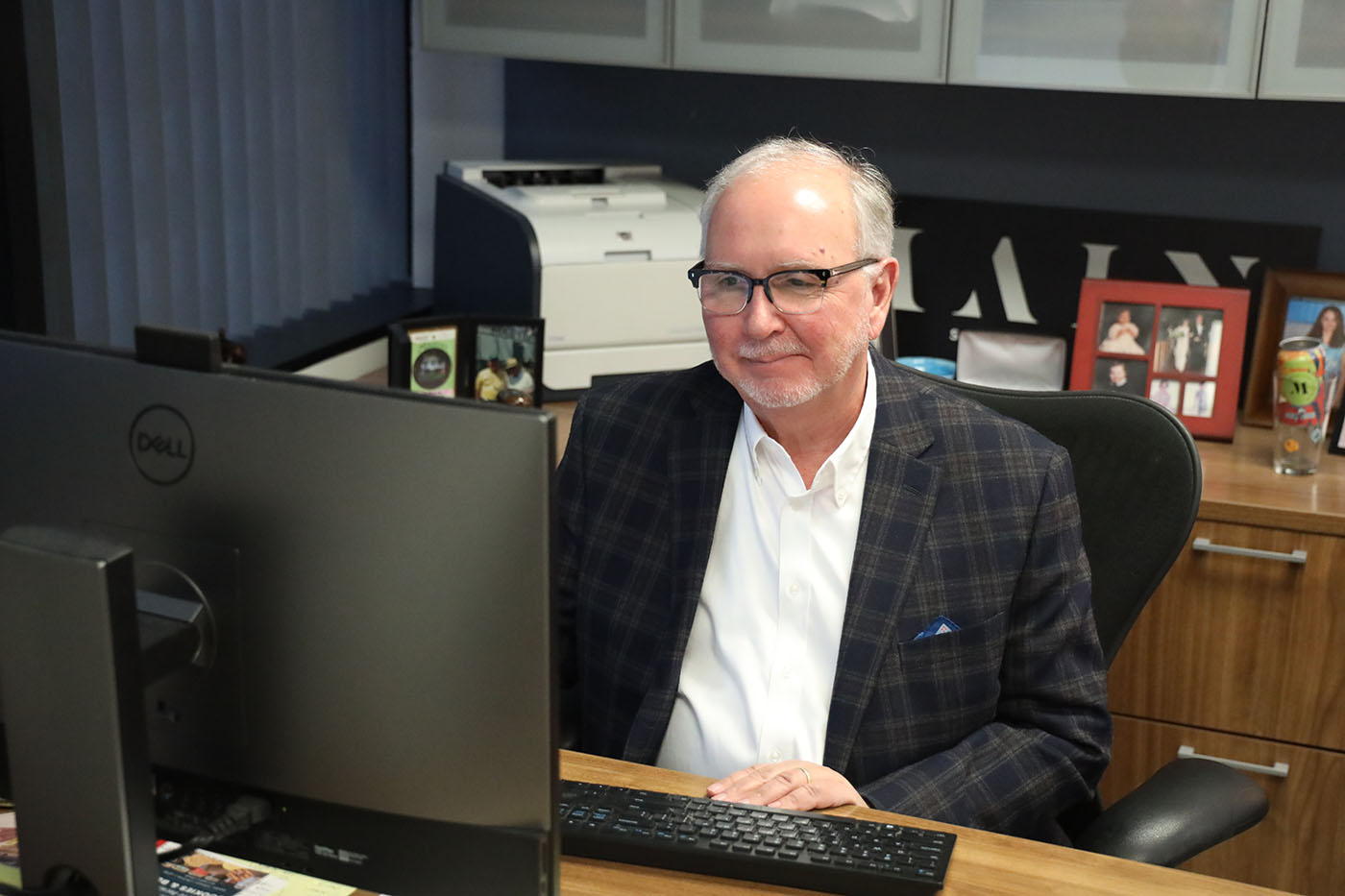
Matt Kennell, an urban development professional, has served as the first and only president and CEO of Columbia’s Main Street District for the past 25 years. Photo by Miles Shea/The Carolina Reporter
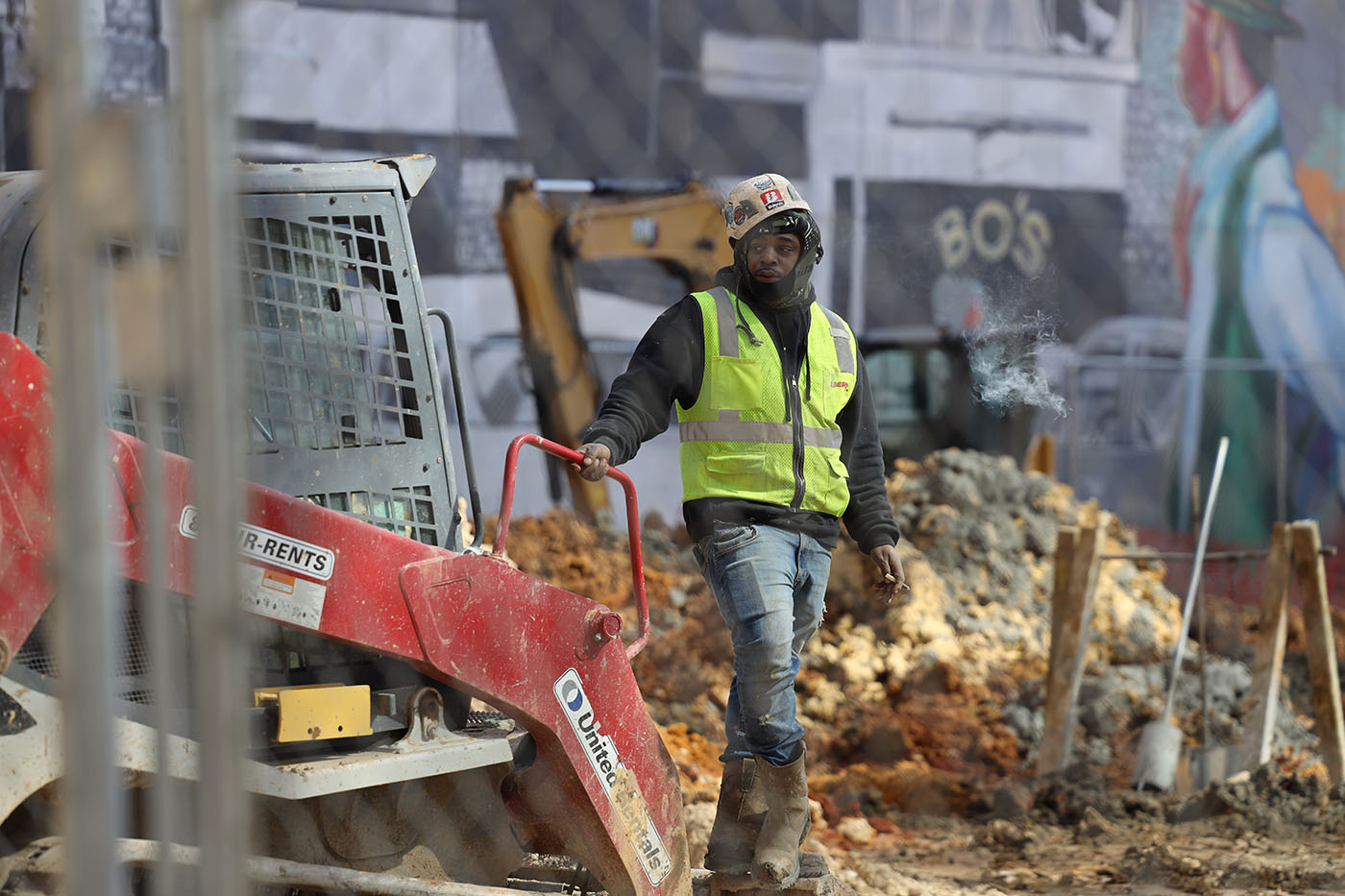
Early construction continues on oLiv Columbia, a mixed-use residential complex on Main Street near Laurel Street. Photo by Miles Shea/The Carolina Reporter