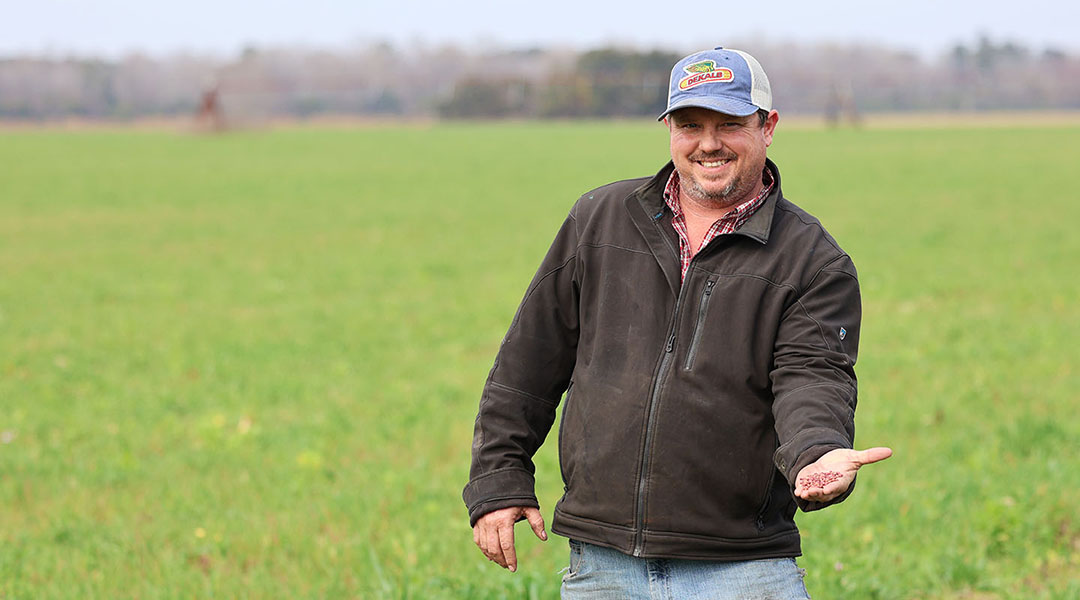
Josh Johnson is a fifth-generation farmer at Old Tyme Bean Co. farm, one of the local farms participating in the Certified SC Cafeteria program. Photo by Katie Cannon/The Carolina Reporter
In a world where most food is grown hundreds or thousands of miles away, Josh Johnson believes people have lost something important — their connection to the people who grow what they eat.
“Everyone has a favorite doctor,” Johnson said. “Everyone knows their preacher. Everyone has a mechanic that they really trust their vehicle with. … You need to know your farmer.”
As a fifth-generation farmer at Old Tyme Bean Co., farming for Johnson is more than just his job. It’s a legacy he hopes to pass down to his two young sons, 12- and 14-years-old, who he hopes to call the sixth generation of his family’s operation.
Johnson, like many South Carolina farmers, has seen the intersection of farming tradition and adaptation in the last couple of decades. Farmers are constantly balancing the realities of rising costs, development pressure and uncertain markets.
Despite those hardships, South Carolina farmers have a unique advantage.
Unlike large agricultural states, where farms may be hundreds of miles from urban areas, South Carolina’s geography allows farmers to grow food close to the people who will eat it.
“In South Carolina, we’re small enough that we’re close to population centers, but rural enough to still grow what everybody likes,” said Johnson, whose farm is 47 miles from Columbia, in Cameron. “We can grow corn to feed chickens for chicken tenders. We can grow corn to feed hogs for pork chops. And we can grow produce to feed people in Charleston, Columbia and Greenville.”
That proximity has made programs such as Certified SC Cafeteria, which connect farmers directly with local buyers, an important part of farmers’ survival strategies.
Certified SC Cafeteria is a state-funded, farm-to-school initiative paid for by the South Carolina Department of Agriculture.
With an annual investment of $1 million, the program encourages public schools to buy food grown within the state while creating direct connections between farmers and the communities they feed.
“Together, we can keep more dollars in South Carolina and celebrate the vital role our farmers and school nutrition professionals play in building stronger communities,” Certified SC Cafeteria’s website says in describing a “mutually beneficial” relationship.
One of the biggest advantages of selling locally is escaping the unpredictability of global commodity markets, Johnson said.
“There’s always ebb and flow in commodity markets,” Johnson said. “If you’re a local person providing something to a local person, then you and that person can determine a fair and honest price that no one has any influence over. It benefits the consumer and the farmer.”
Participating schools in the program, because they have consistent demand and reliable payment structures, can provide exactly the kind of stability that farmers need to plan their growing seasons.
Ron Jones is director of Food and Nutrition Services for Greenville County Schools, the state’s largest district. He said reliability can make a real difference for local farmers.
“In a very volatile business, like farming, knowing that someone is going to be buying your product regularly is really important,” Jones said.
Through the Certified SC Cafeteria program, the district purchases Carolina Gold rice from a South Carolina producer — sometimes as much as 1,700 pounds every three weeks.
For a farmer, that kind of commitment matters.
“When they’re getting ready to plan and execute their crops, having someone who is going to buy it, and they’re going to get paid quickly, is very helpful,” Jones said.
Not only are programs such as Certified SC Cafeteria creating business for farmers, but potentially keeping them in business, too.
The decline of farmland security has already presented itself in the past couple of decades, and for many local farms, their success determines if land remains agricultural or eventually sells for development.
Watson Dorn, an 11th-generation dairy farmer at Hickory Hill Farms in Edgefield has seen this unfold first-hand over the past 40 years.
“When I graduated from Clemson in 1984, there were nearly 370 dairy farms in South Carolina,” Dorn said. “Today, we have 18.”
Beyond economics, one of the main goals of local farmers such as Dorn and Johnson, is to rebuild public awareness about where food comes from.
“You need to know where your food comes from,” Johnson said. “And you need to know the man that grows it for you.”
Local food systems, such as Certified SC Cafeteria, help rebuild that connection by shortening the distance between farms and tables.
“Having the ability to actually grow something here in season and have it go from our field to your plate is special,” Johnson said. “We need to make it more special and more available.”
His hope is that by expanding into new markets such as school partnerships, farms will remain and continue to serve surrounding communities.
“We’re always trying to access new markets,” Johnson said. “If you’re not expanding, you fail.”
Agriculture touches every part of daily life, even in ways you might not think, Johnson said.
“Without a farmer,” Johnson said. “You’d be naked, hungry and sober.”
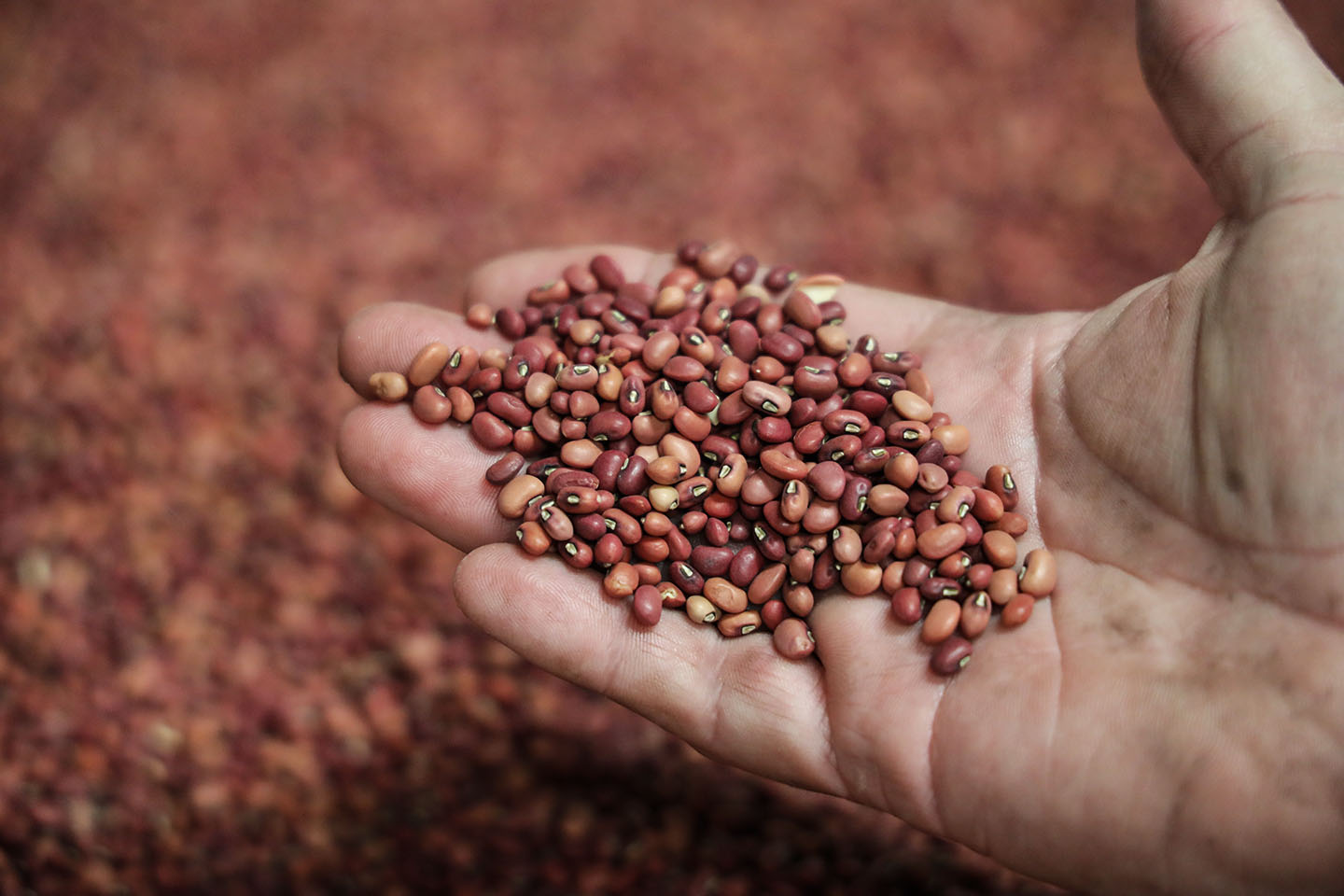
Old Time Bean Co. sell beans such as butter beans, peas and “red rippers,” to local communities and programs. Photo by Katie Cannon/The Carolina Reporter
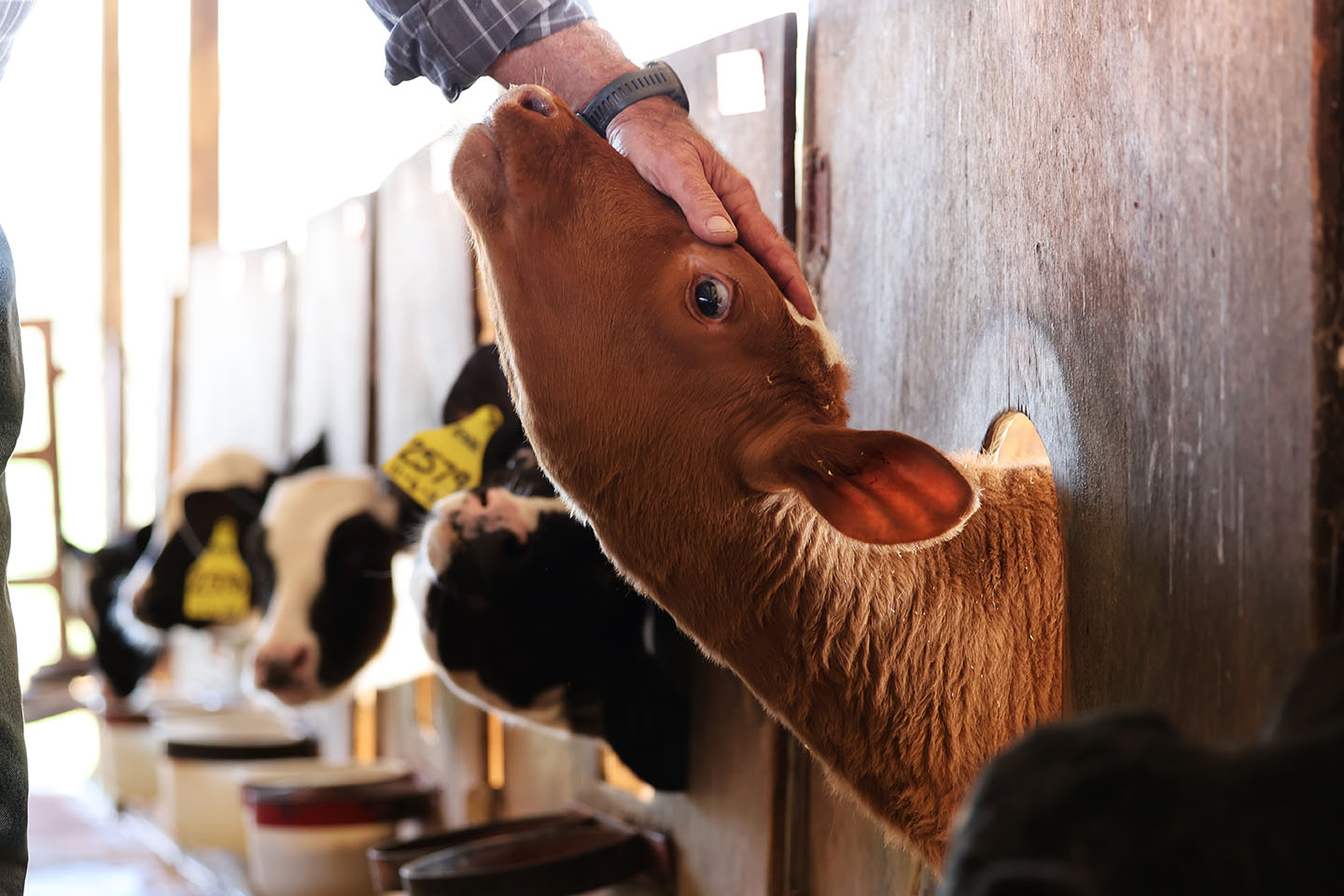
Hickory Hill Milk produces whole milk, buttermilk and chocolate milk that goes to resellers as well as schools participating in the Certified SC Cafeteria program. Photo by Katie Cannon/The Carolina Reporter
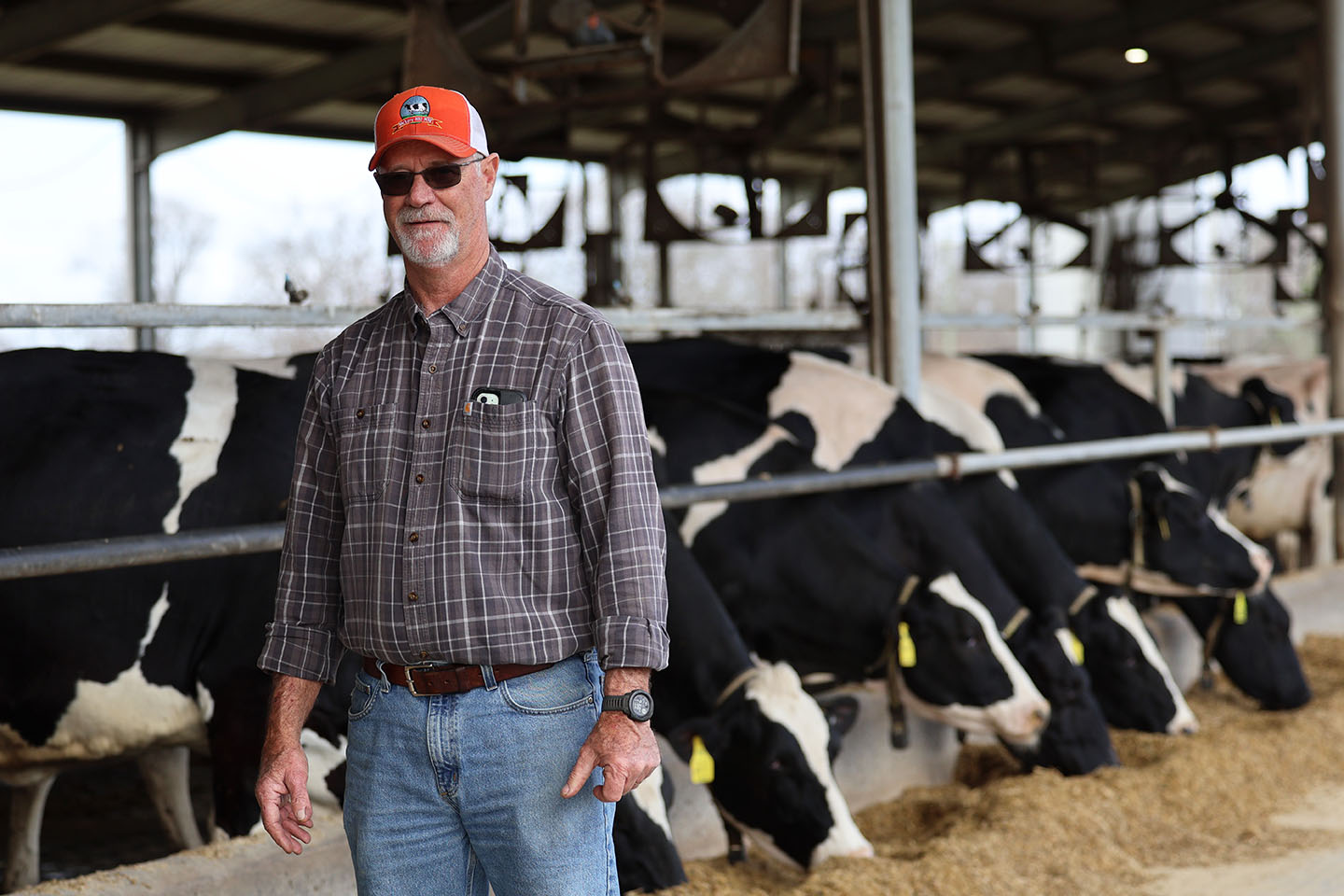
Watson Dorn heads Hickory Hill Milk farm as an 11th-generation farmer. Hickory Hill is a family-owned dairy farm in Edgefield, South Carolina. Photo by Katie Cannon/The Carolina Reporter
Video by Katie Cannon/Carolina Reporter