First-time volunteer Theresa Wilson takes a box of produce to a car waiting outside FoodShare’s Richland County facility Oct. 1. Photo by Colin Elam/Carolina Reporter
FoodShare South Carolina has sold almost 9 million pounds of affordable, fresh produce in the 25 counties the organization serves.
But its goal is to expand service to all 46 counties in the state. The recent hiring of a new program director is one part of its plan to achieve this.
FoodShare is a program under the University of South Carolina’s School of Medicine Columbia. The program’s 10th anniversary is this year.
The Fresh Food Box is FoodShare’s primary program, said Network Outreach Coordinator Adrian Gonzalez. The boxes of fresh produce come in two sizes, costing $20 and $25 for the small and large sizes, respectively. For someone with SNAP benefits, those prices come down to $5 and $10.
Anyone can purchase the boxes, regardless of income, Gonzalez said.
“That really just creates a vibrant pool of people that we’re able to serve,” Gonzalez said. “We’re trying to make it more accessible, not less accessible by having, you know, requirements that you might find in other programs.”
FoodShare announced it was seeking a director of programs and rural outreach in August. Ashley Page Bookhart came to the organization’s Richland County building Oct. 1 for her first day in the new role.
Bookhart came from the Arnold School of Public Health at USC, where she had worked for 10 years, she said. Bookhart received a master’s degree in social work from USC in 2015. While a graduate student, her focus was on education, but she was once invited to attend a meeting on child hunger.
“I went to this meeting. My mind was blown open,” Bookhart said.
Bookhart sought volunteer opportunities as a student, then graduated and got a job offer working on child hunger, she said. She has worked in food accessibility ever since. The payoff for that kind of work can take a long time, she said.
“Sometimes it takes years, especially when you’re getting on the higher policy side,” Bookhart said. “It takes years to get those wins. But when you finally get it, it’s all worth it.”
Bookhart in her new role will focus on improving the Richland County hub as well as expanding FoodShare’s reach across the state, she said.
“I’m looking for the day where, you know, Richland County has done some amazing things, and it’s a super strong hub,” Bookhart said. “And also that FoodShare can say it’s in all 46 counties across the state. … That is my goal.”
Working in the field of food access for a decade gives Bookhart a valuable network of connections to boost her future work with FoodShare, she said.
Working in rural areas presents some challenges, said Sydney Wright, the FoodShare hub coordinator for Pickens County. The Pickens hub covers three counties that don’t have public transportation, such as buses.
Wright wants to eventually develop a delivery system for her hub. But that would require a larger volunteer base and likely a full-time volunteer coordinator, she said.
Wright joined FoodShare in January. This was right after her hub switched to taking online-only orders. Getting participants signed up online, particularly when SNAP is involved, can be difficult, Wright said.
“It’s kind of a combination between people not being as used to technology and maybe a little bit of an older population here as well that don’t really have the patience to sit down and look through their email and set up a password and all of that,” Wright said.
Once participants are signed up, there are rarely further issues, Wright said. The problem can be combatted by training the staff at partner locations to set up people on the computer. Some of the Pickens hub’s pick-up locations are libraries. The computer access, internet availability and knowledgeable staff at the libraries also help get participants set up online, Wright said.
Gonzalez said rural hubs face more infrastructural challenges compared to those in urban centers.
“We have some really amazing partners in these counties,” Gonzalez said. “But just because of their physical infrastructure limitations, there becomes a capacity limitation, that they can only serve so many people, they can only pack so many boxes.”
The Pickens hub benefits from having a variety of local partner organizations that help with pickups and contacting participants, Wright said.
“I think that’s cool, and it’s a really good model for a lot of the rural places,” Wright said. “The more sites you can have, the more likely these people are going to come, because they’d rather drive 10 minutes to get somewhere than 30 minutes.”
One strategy to boost the capacity of rural distribution networks is to offload work onto the larger hubs, Gonzalez said. A facility like Richland County’s distribution center could likely pack 100 more orders while adding only 10 to 15 minutes of work. The staff of these rural centers can then focus on building relationships with their communities and other grassroots work, he said.
“Maybe they wouldn’t be able to facilitate the packing of those orders,” Gonzalez said. “But we can.”
In addition to the Fresh Food Box program, FoodShare South Carolina hosts the Culinary Medicine program that instructs USC medical students in nutrition science and culinary skills. Another program is NeighborShare. That program focuses on assisting people without reliable transportation.
Video by Ashley Mallon
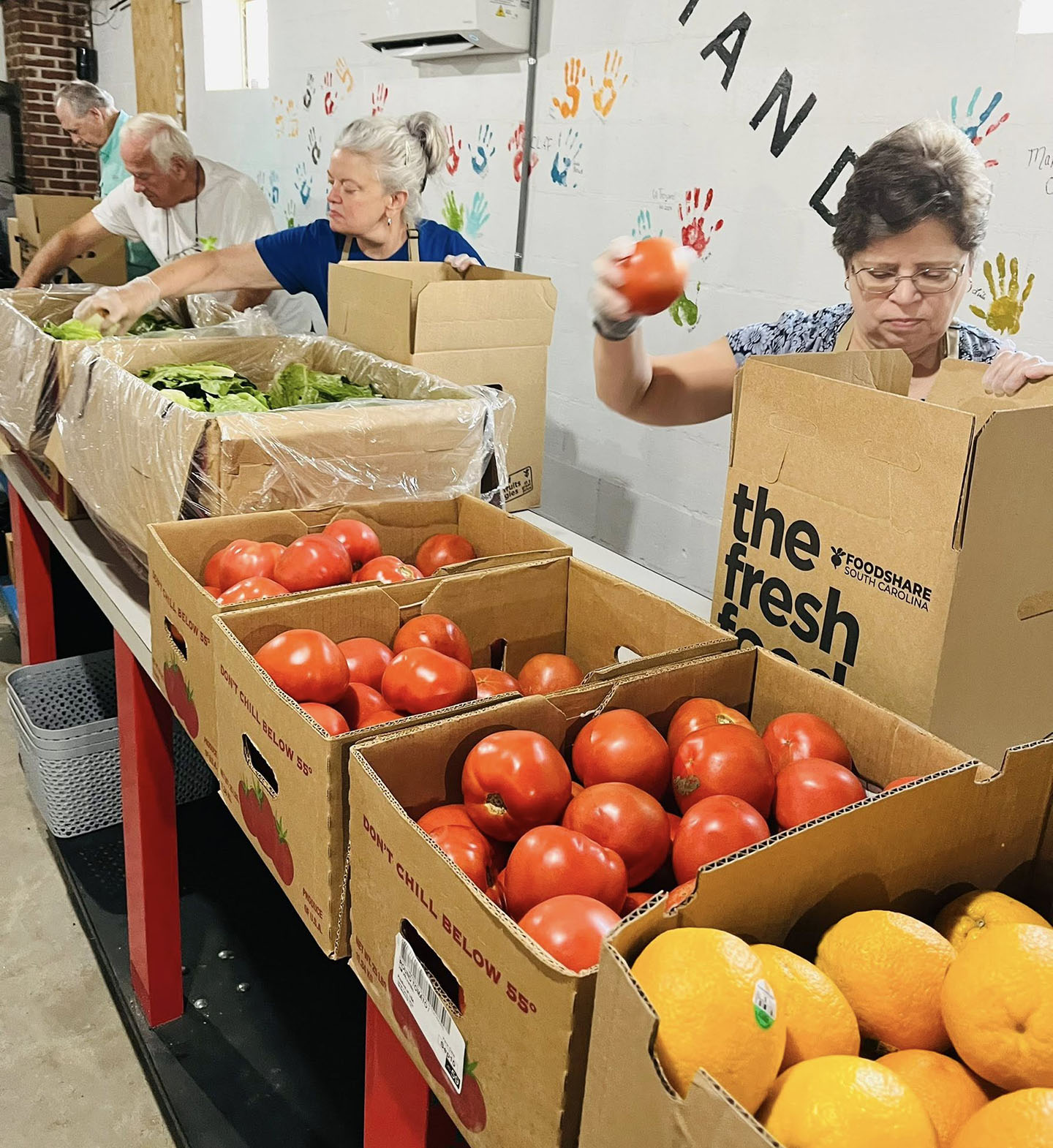
Fresh Food Boxes are packed with produce in Anderson, South Carolina, in September 2025. Photo courtesy of FoodShare South Carolina/Carolina Reporter
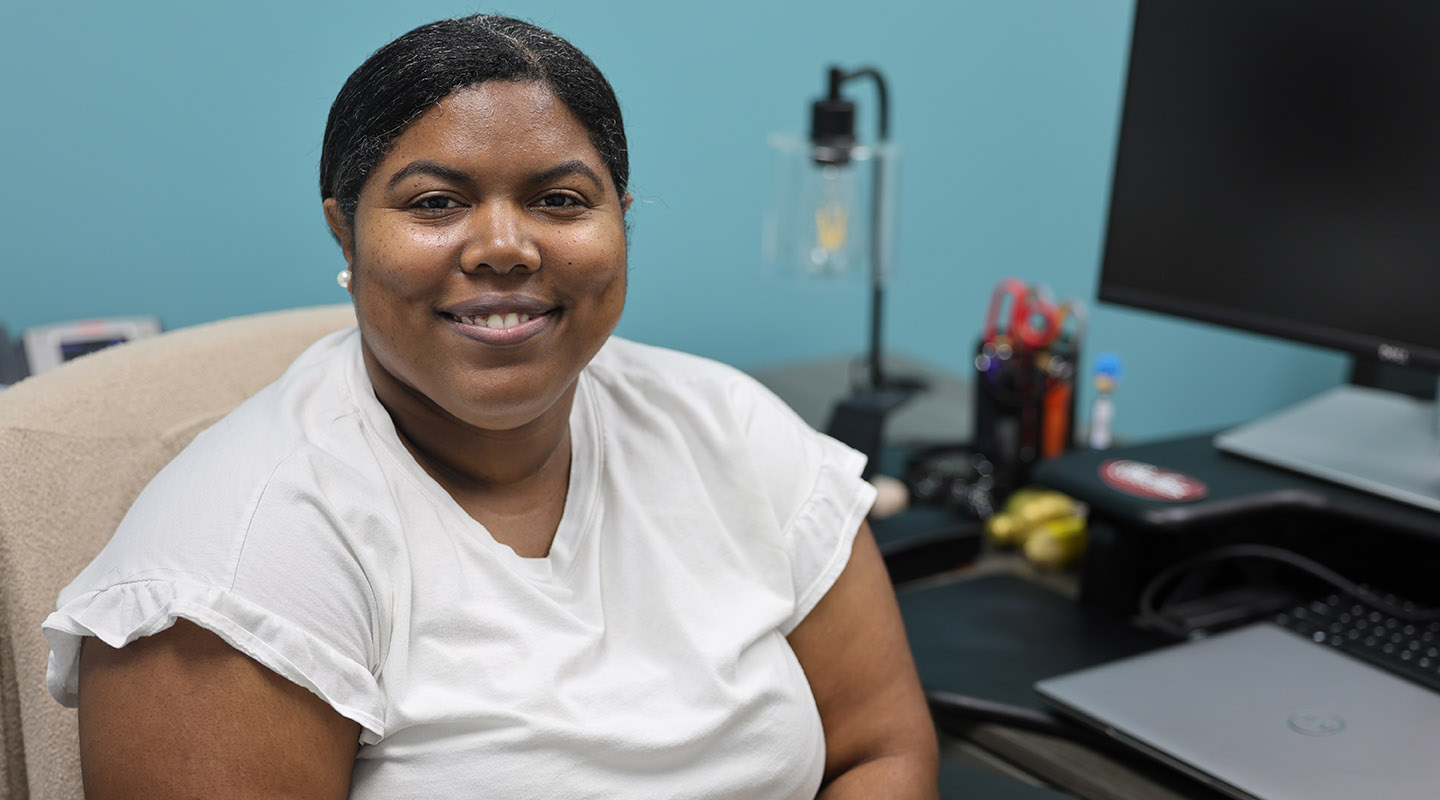
Ashley Page Bookhart, director of programs and rural outreach for FoodShare South Carolina, poses for a photo in her office Oct. 1, her first day on the job. Photo by Colin Elam/Carolina Reporter
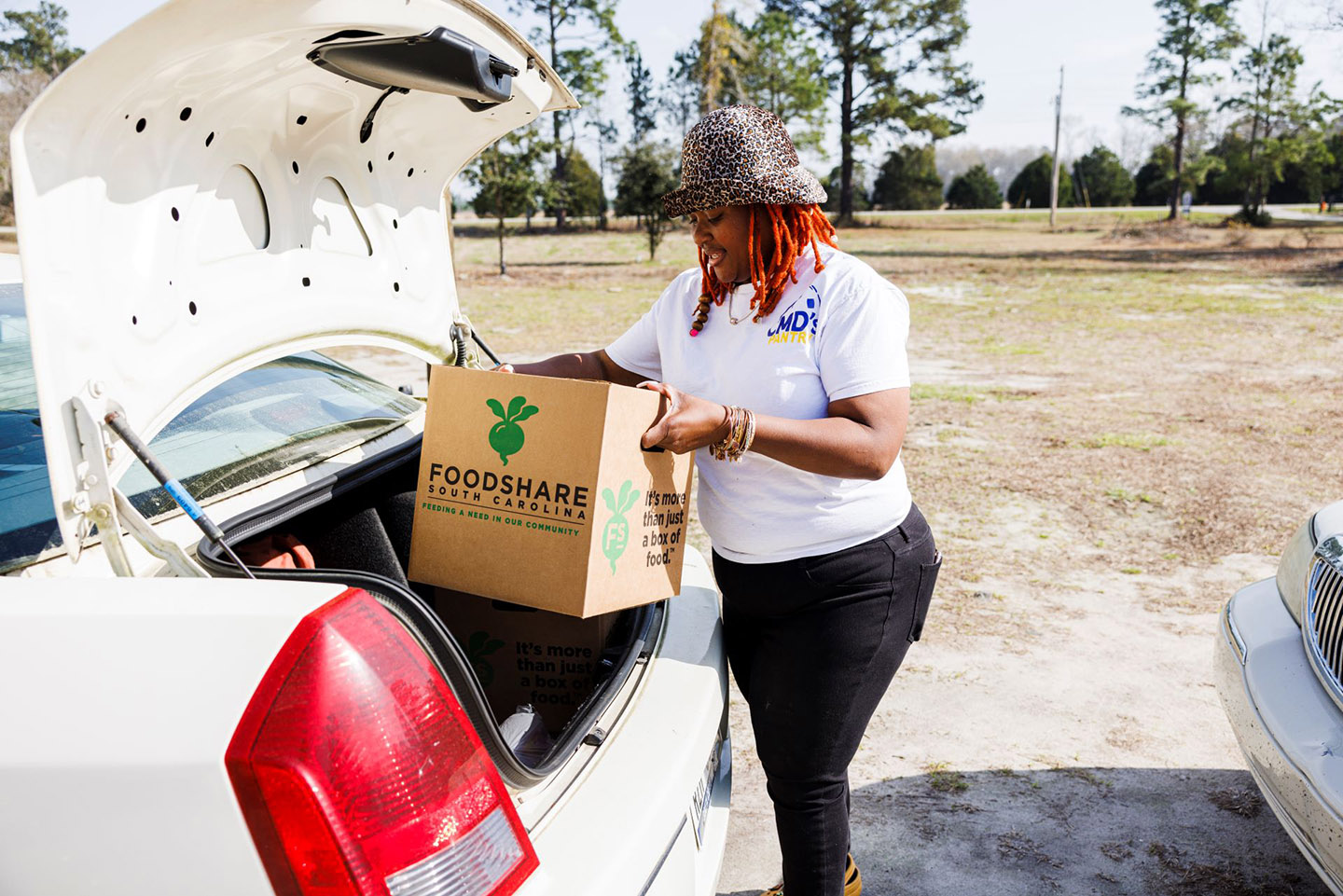
A car is loaded with a box of produce from FoodShare in Williamsburg, South Carolina, in 2023. Photo courtesy of FoodShare South Carolina/Carolina Reporter
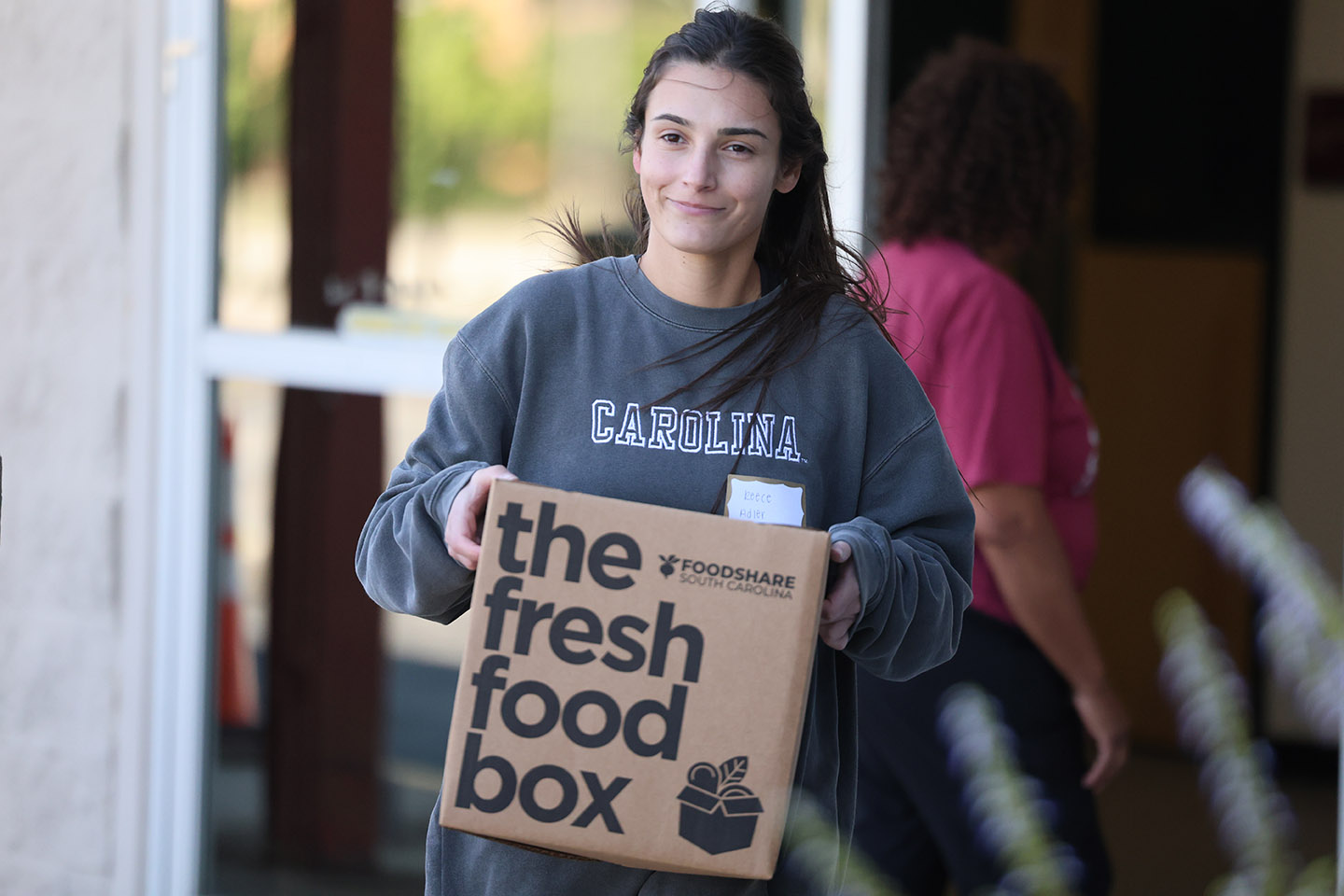
Volunteer Reece Adler carries a box of produce to a car in front of FoodShare’s Richland County facility on Oct. 1. Photo by Colin Elam/Carolina Reporter
ABOUT THE JOURNALISTS

Colin Elam
Elam is a senior journalism student at USC with a minor in Russian. He interned for The State newspaper in the summer of 2025. He is the news editor at the student-run Daily Gamecock this fall, his fourth semester with the paper. Elam is interested in growth and development reporting and hopes to continue working at local news outlets after graduation.

Ashley Mallon
Ashley Mallon is a visual communications major, minoring in studio art with a graphic design concentration. She extended her summer internship and continues to work with EASE Logistics as a marketing and design intern. After graduation in December 2026, Mallon hopes to work in the branding and creative advertising industry.