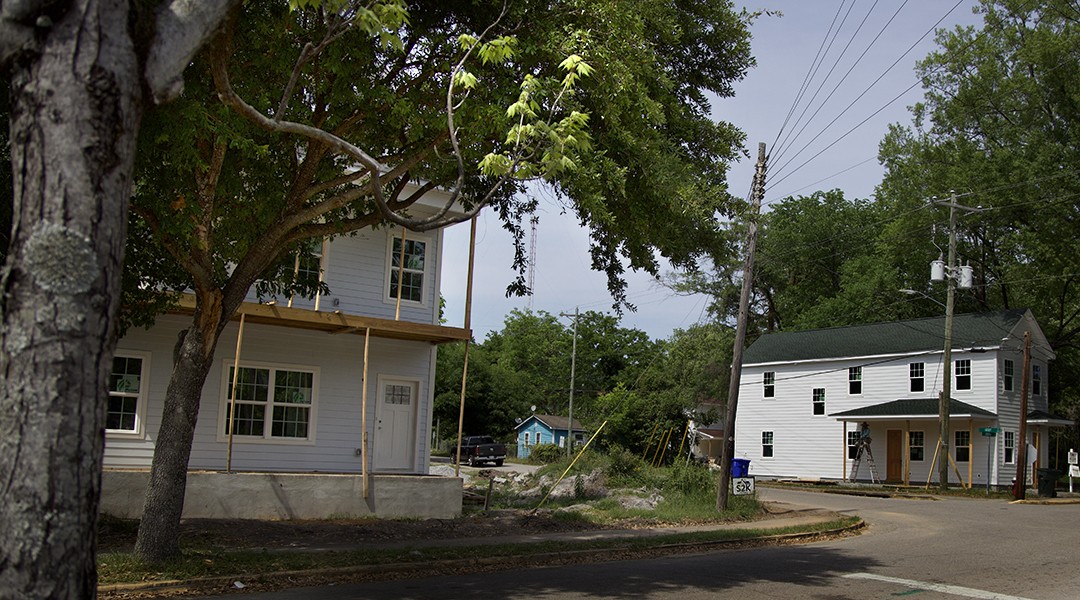
Homes are being built on the corner of Heidt and College streets in the Martin Luther King Jr. neighborhood. Photo by Camille Molten/The Carolina Reporter
Old Shandon and Lower Waverly, two of Columbia’s oldest neighborhoods, are once again in transition.
Economics, demographics and the steady churn of student housing near the University of South Carolina has the neighborhoods in flux. Longtime residents say the changes feel familiar and resemble patterns of displacement, reinvestment and a cultural shift seen in previous decades.
Old Shandon was a segregated white suburb, then began seeing an influx of Black residents and now is seeing the growth of mostly white college students renting renovated homes. Lower Waverly was predominantly Black. But white gentrification, then students began eating at its edges. As property ownership, generational wealth and identity intersect, residents, scholars and students are navigating with what the neighborhoods’ futures should look like.
Old Shandon was incorporated as a segregated white suburb in 1904. Lower Waverly was added to the city limits in 1913.
Nearby is the Martin Luther King Neighborhood, which is predominately Black and is wrapped around MLK Park. There is little to no distinction between these three neighborhoods other than the gradual saturation of rental houses occupied by mostly white college students in Old Shandon on the blocks on Preston, Queen, Heidt and Lee streets.
For longtime residents, those shifts didn’t happen overnight, but they were unmistakable.
In the 1960s, one could count the Black families that lived in Old Shandon on one hand, said William Corbin. As these families gradually increased, the white people began to move out.
“White flight, is what we call it,” said Corbin, who is Black. “They hauled out of there. Some families did stay.”
Corbin’s connection to the neighborhood runs deep, rooted in family.
He lives in a house on Preston Street that his family has owned for generations. He said his children promised him that even when he is six feet under, they will never sell the house. He has made it abundantly clear how important owning a property is to his family, he said.
“They will never let that house go because of all the love in it,” Corbin said. “Their grandparents helped raise them there, and the house has too many memories.”
“A lot of people sell their houses and wish they didn’t do it,” Corbin said.
It is important for future generations to be property owners, he said.
But holding onto property is becoming harder as outside investors look to capitalize on proximity to campus.
Landlords scour the neighborhoods for sale houses close to USC for investment properties for temporary student housing.
“They jump in like snakes,” Corbin said.
That shift toward student rentals has brought noticeable changes to daily life.
College students are loud and like to have fun. They also happen to be significantly younger than the majority of residents in the area.
“A lot of the older people don’t want college kids,” Corbin said. “I don’t mind college kids, but a lot of them are rich. They see people of color, but most of their friends are white. They do not socialize much because it’s really out of range.”
Still, he acknowledges that interaction matters.
It’s important to talk to people, and the college kids do, so they are cool, he said.
“My thing is …. you live in my neighborhood,” Corbin said. “I do not live in yours.”
“I don’t mind the neighborhood changing, but the gentrification thing – just don’t screw it up,” Corbin said.
Scholars studying these patterns say the neighborhoods reflect broader national trends.
“Gentrification is not a new phenomenon,” Tremaine Dunbar, a PhD candidate and a public health graduate student said. “You know there has been a particular revolving door where African Americans stayed in the inner city and then, you know, privileged Americans moved into the inner city (and) pushed out the African Americans.”
Corbin, like Dunbar, said gentrification is not a new phenomenon. In fact, it’s undeniably impossible to stop in Columbia neighborhoods. The university is growing and students will always need to find more places to live.
“You’re fighting a giant that has already put its foot down,” Corbin said.
Dunbar’s research focuses on mental health equity. He is a teaching assistant for Dr. Pamela Martin, a professor in the Department of Psychology and the African American Studies Program with expertise in clinical-community psychology, specifically in theology, religion, culture and psychological well-being.
“Gentrification has implications on esteem, in terms of children growing up in a community,” Dunbar said. “When we talk about their socialization, when we talk about their development, of being around individuals where they can develop an ability to cope with societal stressors, in terms of racial discrimination in particular.”
He points to systemic roots behind these neighborhood shifts.
“Homeownership is one of the clearest ways to transfer generational wealth,” Dunbar said.
Some banks kept Black families from taking advantage of that.
The solution he proposed is to “create a more equitable housing situation for both Blacks and whites. I don’t think we need to try to focus so much on integration.”
He said deeper structural issues must be addressed alongside housing.
Simply integrating people who have been exposed to violence, educational inequities and low-wage jobs does not address the root causes that have harmed those communities, he said.
“They can still build generational wealth, they can still build up communities that are underserved and under focused and then there also can be an equitable solution for everyone involved, and we can create a better Columbia,” Dunbar said.
The presence of students also presents opportunities, Martin said.
She connected that history to the university’s broader mission and values.
“It is part of the Carolina Creed in which we’re supposed to be doing this kind of extracurricular activity that promotes a strong sense that USC is a place that’s open to all people,” Martin said.
She said connections between students and the surrounding community still can have a meaningful impact today, especially for younger residents.
“If they’re young kids or youth, college students could be mentors to the kids in the area,” Martin said. “If you’re an impressionable 5-year-old and you’re being tutored by someone in your neighborhood that’s a college student then that could leave a lasting impression on that kid. And the impression could be that you are welcomed at the University of South Carolina.”
Residents who have watched the neighborhoods evolve over decades say the changes are as cultural as they are economic.
Raymond Jennings is a 64-year-old Black man who has lived in the Old Shandon area for 15 years.
He said he has seen a huge change in the neighborhood since his first year there. People used to be part of a traditional community, with barbecues, cookouts and impromptu hangouts on porches.
Jennings said he misses the time when you could walk to your neighbor’s door and ask for a cup of sugar or an egg. People knew everyone’s names and all about them, he said.
“With people coming together comes change,” Jennings said. “Some people don’t like that.”
Students moving into the neighborhood say they are aware of the impact and are grateful for acceptance.
Mary Lide Wallace, a senior at USC, is living on Preston Street.
“I recognize the hordes of college students coming into a family neighborhood year after year would be overwhelming,” Wallace said. “I am just happy that we have been welcomed into the community and we have made friends with other people.”
For some residents, the seasonal influx has even earned a nickname.
“We call it the big invasion,” Corbin said about when fall begins each year. “They’re back.”
At its core, residents say the story of these neighborhoods is about connection — or the lack of it.
The microcosm of the area could be related to our country at large.
“Americans don’t talk to each other,” Corbin said. “That’s the problem. We don’t connect with each other anymore. We don’t know about our neighbors’ lives anymore.”
The most important thing God gave us is love and the best way to live your life is to love your neighbor, Jennings said.
FINDINGS
- The older people in some neighborhoods are not fond of college students. But some neighbors have figured out how to live happily with them, even if there is a 40-year age difference.
- The best way to create generational wealth and keep gentrification a positive thing is to be a property owner.
- There are things the city and its neighborhoods can do to bring communities together and keep USC a positive presence for long-term residents.

An afternoon college party is in full swing on Preston Street. Photo by Camille Molten/The Carolina Reporter
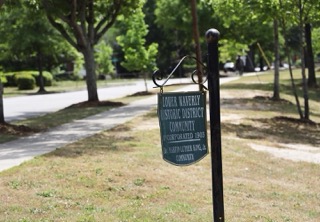
The Lower Waverly Historic Community sign stands on the edge of Martin Luther King Jr. Park as a historical landmark to remind passersbys of the area’s historic background. Photo by Camille Molten/The Carolina Reporter
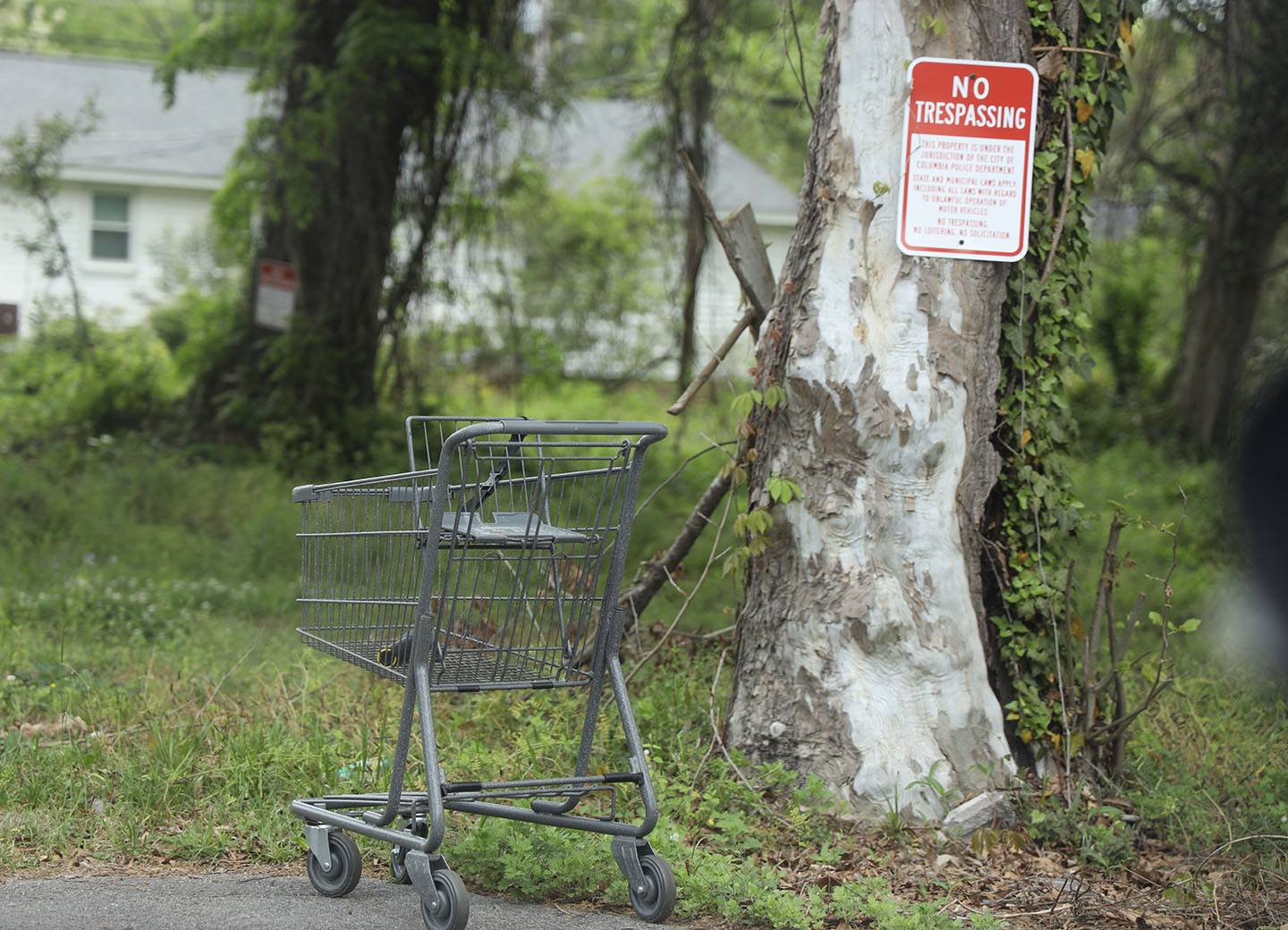
An abandoned shopping cart is left next to a “no trespassing” sign by one of the few vacant lots on the edge of Old Shandon. The changing nature of the area is a reminder of the struggle some people experience in in-town neighborhoods. Photo by Camille Molten/The Carolina Reporter
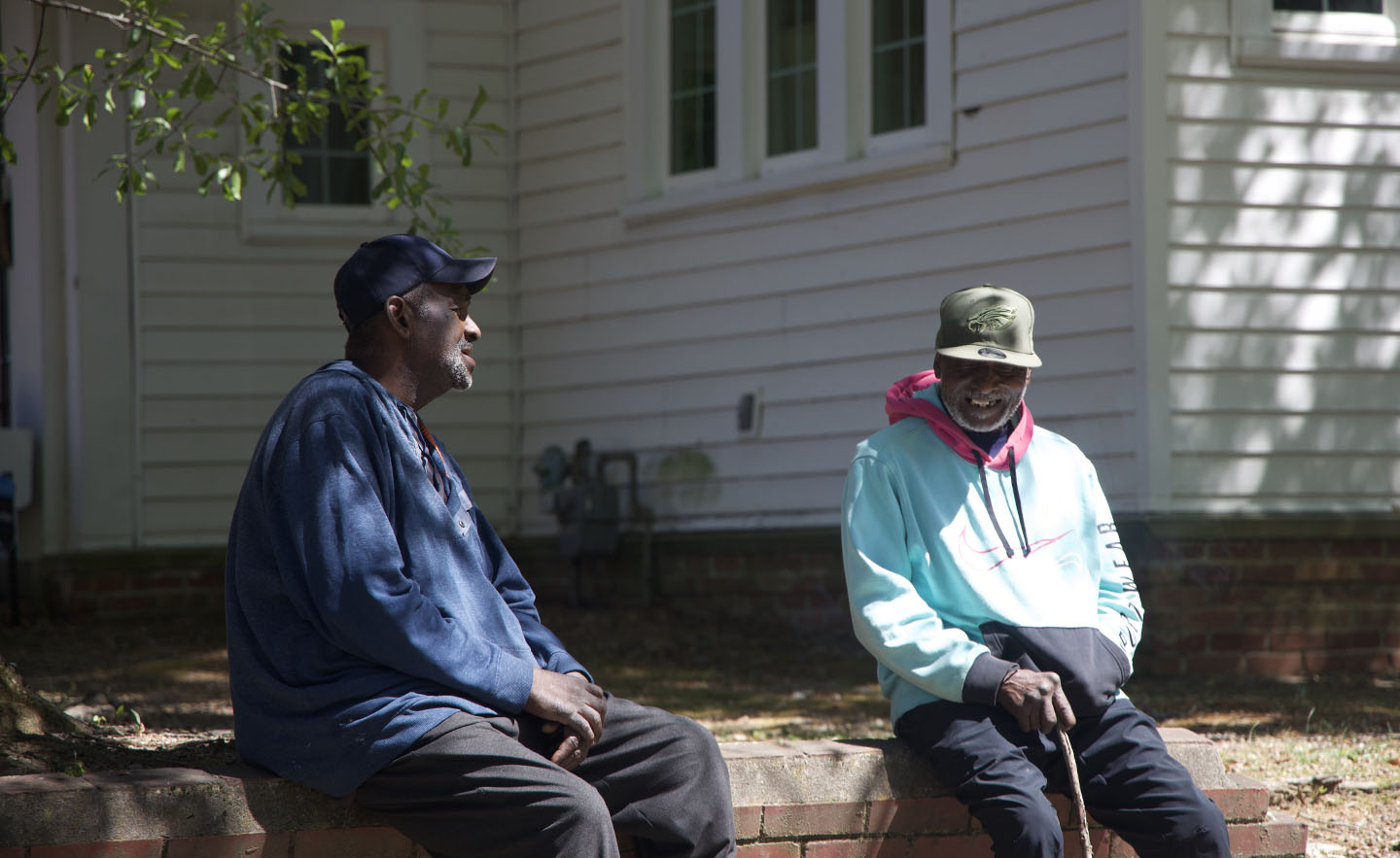
Raymond Jennings and his friend, Broom, sit and laugh together on Queen Street in Old Shandon. Photo by Camille Molten/The Carolina Reporter
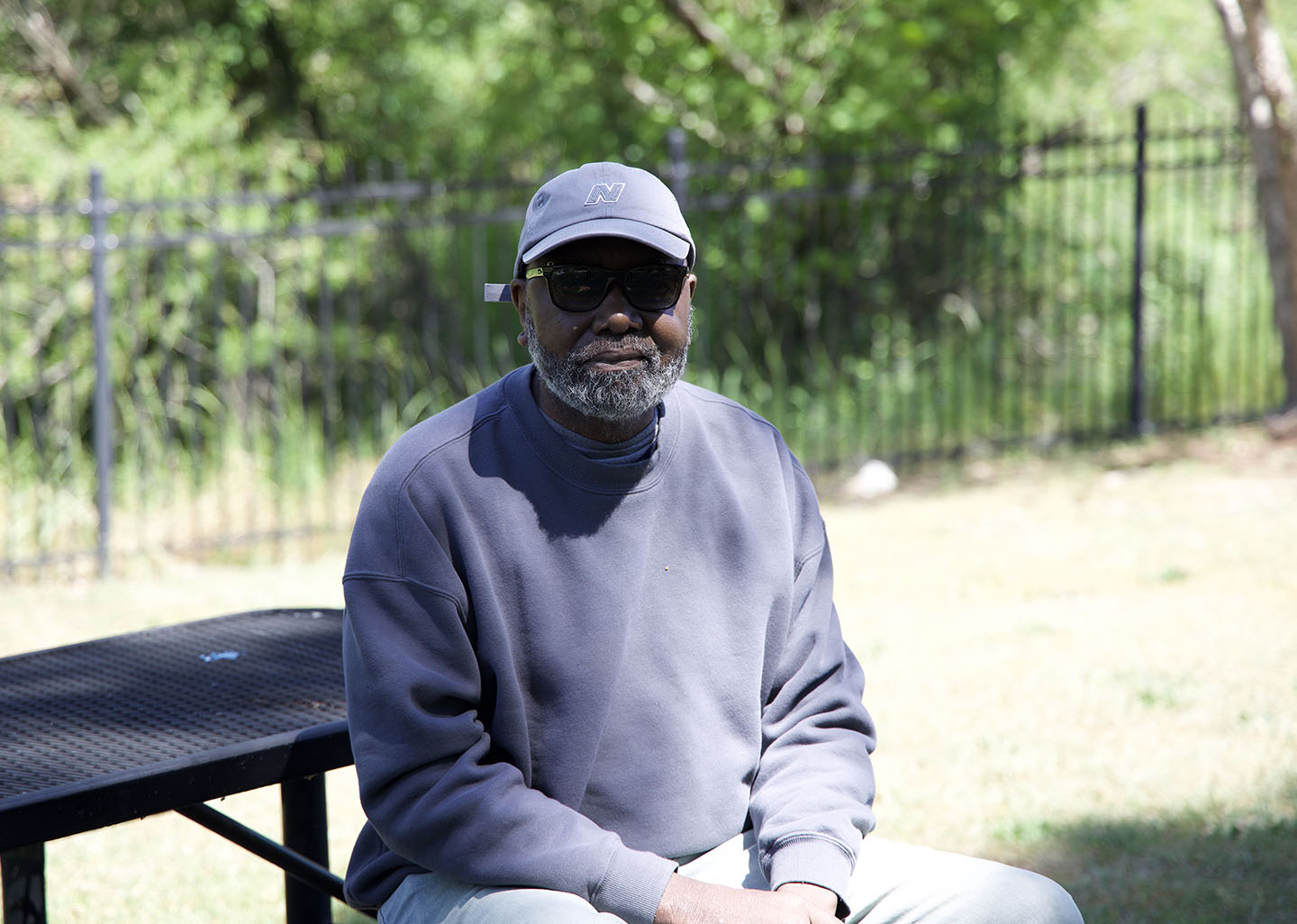
William Corbin rests on a park bench at Martin Luther King Jr. Park. Photo by Camille Molten/The Carolina Reporter
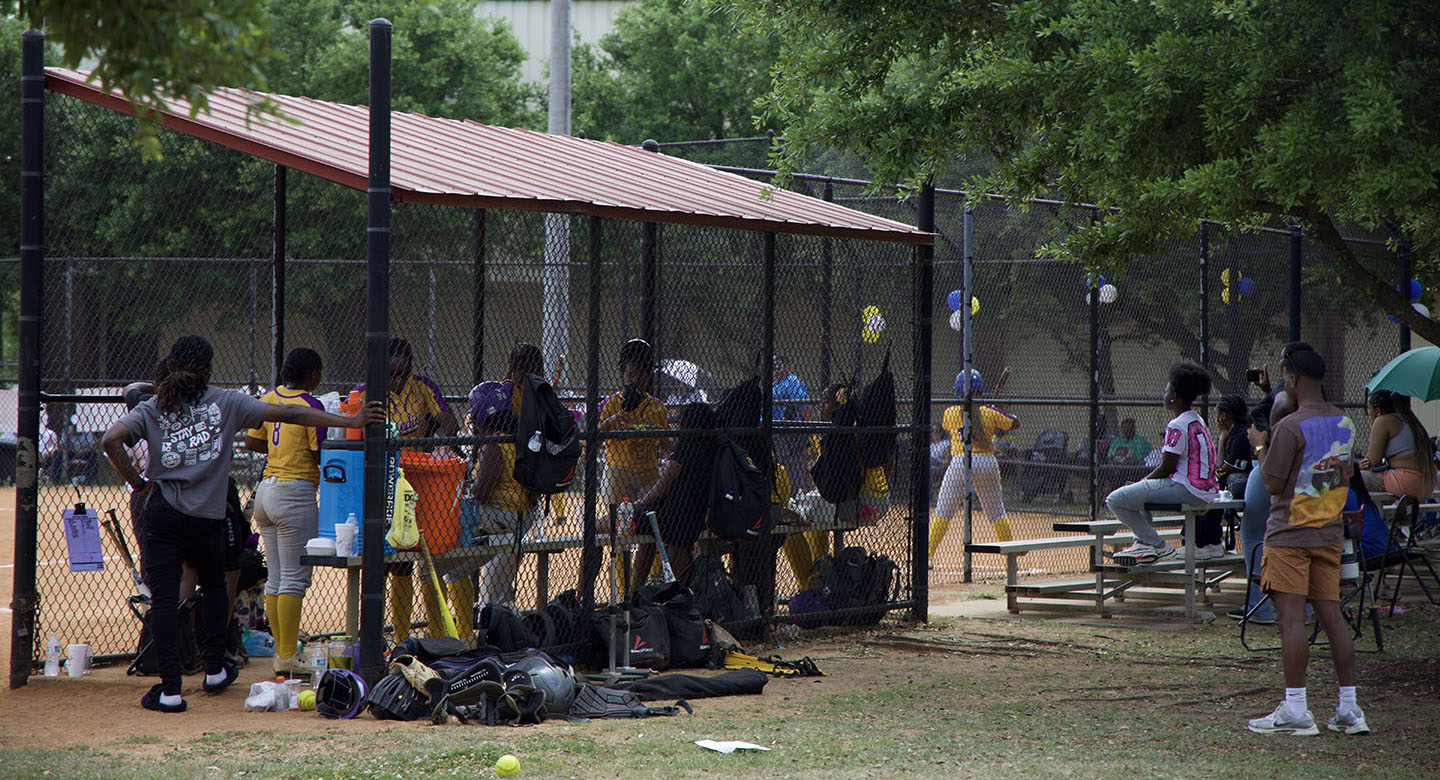
A Benedict College softball game on a Sunday afternoon has many spectators and generates excitement among supporters in Martin Luther King Jr. Park, between the MLK and Old Shandon neighborhoods. Photo by Camille Molten/The Carolina Reporter